

# Taking care of healthy liver doesn't require any detox cures

The liver is one of the hardest-working organs in the entire body. Every day it quietly filters blood, processes nutrients, breaks down hormones, neutralises toxins and produces bile needed for fat digestion. Yet most people only start paying attention to it when something goes wrong – or when they come across it in an advertisement for yet another "detox cure". And that is precisely where the problem lies.
The internet is flooded with promises about miraculous teas, juice cleanses and dietary supplements that will supposedly "cleanse" or "detox" your liver in just ten days. But the liver is itself a perfect detoxification machine – and what it truly needs is not some dramatic cure, but long-term, everyday care that allows it to work as it should.
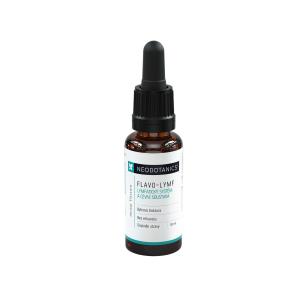
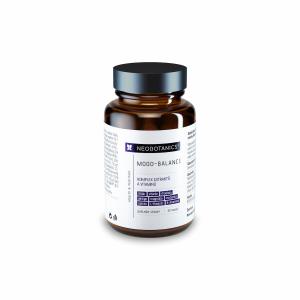
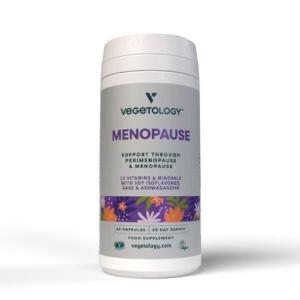
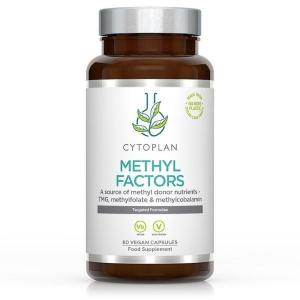
Try our natural products
The detox myth worth unpacking
The word "detox" sounds scientific, but in most cases it is actually a marketing term with no solid scientific basis. The British Dietetic Association (BDA) repeatedly points out that commercial detox products have no scientifically proven effect on liver function or on the removal of toxins from the body. The liver, kidneys and digestive system handle this work on their own – provided a person creates the conditions for them to do so efficiently.
Take Martina, a forty-year-old accountant from Brno, who completed a week-long juice detox every spring. She felt refreshed afterwards, but within two weeks she had returned to her old habits – overtime, too little sleep, weekend wine and fast food. Her liver, meanwhile, had not taken any holiday and kept working without a break. Real change only came when she stopped looking for quick fixes and started thinking about what she did every single day.
And that is precisely the key shift in thinking that nutrition and hepatology experts recommend. Liver health is not a sprint, but a marathon. It is not about dramatically changing your diet once a year – it is about building sustainable habits that support the liver on an ongoing basis.
What the liver truly needs to function properly
One of the best-documented ways to support liver health is a diet rich in whole, minimally processed foods. Vegetables, particularly cruciferous ones – broccoli, cauliflower, kale and Brussels sprouts – contain compounds that support the enzymatic processes in the liver responsible for neutralising harmful substances. Research published in specialist journals shows that regular consumption of these foods is associated with a lower risk of non-alcoholic fatty liver disease, which is today one of the most widespread diseases of this organ in the world.
Healthy fats play an equally important role. Olive oil, avocado, nuts and oily fish rich in omega-3 fatty acids help reduce inflammation and prevent excessive fat accumulation in liver tissue. Conversely, industrially processed fats, an excess of saturated fatty acids and in particular fructose syrup found in many industrially produced foods and sweetened drinks burden the liver in a way that no tea can reverse.
Alcohol deserves a mention in its own right. Although its effect on the liver is well known, many people still underestimate what "moderate consumption" means in practice. The World Health Organization emphasises in its recommendations that there is no safe level of alcohol consumption from a health perspective – and the liver confirms this through its daily work. Alcohol is metabolised in the liver as a priority, meaning that in its presence, other metabolic processes are temporarily pushed aside. Over the long term, this leads to damage to liver cells, inflammation and eventually cirrhosis.
Exercise follows naturally from this topic. Physical activity is not just a matter of muscles and the cardiovascular system – it has a direct impact on the liver as well. Regular exercise reduces the amount of visceral fat, that is, fat stored around the internal organs, which is one of the main risk factors for the development of non-alcoholic fatty liver disease. A study published in the Journal of Hepatology showed that even moderate aerobic activity – thirty minutes of brisk walking five times a week – can measurably improve liver enzymes in people with early-stage fatty liver disease.
Sleep is another factor that is rarely mentioned in the context of the liver, despite its fundamental influence. During nightly rest, the liver works intensively on regeneration and metabolic processes. Chronic sleep deprivation disrupts hormonal balance, raises cortisol levels and contributes to insulin resistance – all factors that worsen liver health. As American neurologist and sleep expert Matthew Walker once remarked: "Sleep is the most effective thing we can do to reset our brain and body." And the body in this case includes the liver.
Herbs, supplements and what science says about them
It would be unfair to claim that all natural substances are mere marketing without substance. Some of them do have genuinely science-backed support – it is simply important to understand what can realistically be expected of them.
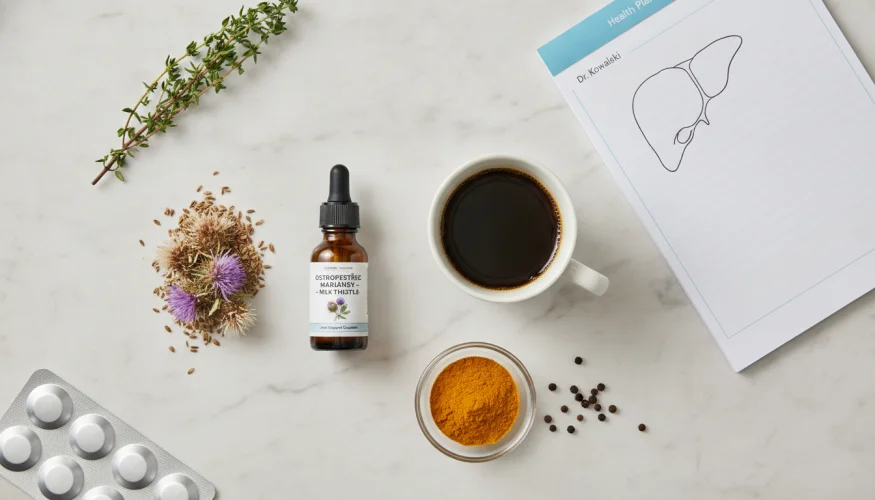
Milk thistle is perhaps the best-known example. Its active compound silymarin has been the subject of dozens of clinical studies, and the results suggest it may have anti-inflammatory and hepatoprotective effects – meaning it helps protect liver cells from damage. It is not a miracle cure or a treatment for liver disease, but as a complement to a healthy lifestyle it may have its place. Much the same applies to curcumin, the active compound in turmeric, which shows promising anti-inflammatory properties, although its bioavailability is relatively low without combination with piperine from black pepper.
The problem arises when these substances are presented as a substitute for a healthy lifestyle or as a "detox" that will repair the damage caused by long-term unhealthy behaviour. No herb can compensate for regular overeating, a sedentary lifestyle or excessive alcohol consumption. They work as support, not as a rescue.
Coffee is also worth noting – a beverage that has a surprisingly good reputation in the context of liver health. A number of large-scale epidemiological studies have repeatedly shown that regular coffee consumption is associated with a lower risk of cirrhosis, liver fibrosis and hepatocellular carcinoma. The precise mechanism has not been fully explained, but the antioxidants and anti-inflammatory compounds found in coffee are thought to play a role. Of course, coffee with cream and three teaspoons of sugar is a different matter from black coffee – and the optimal amount may differ from person to person.
The medication burden on the liver is also an important but overlooked topic. Many people do not realise that the liver metabolises the vast majority of medications, including over-the-counter ones. Paracetamol, ibuprofen or combinations of various preparations can genuinely damage the liver when used excessively or inappropriately. This does not mean avoiding medication altogether – but it is a reason to take package inserts seriously and to consult a doctor or pharmacist when taking multiple preparations at the same time.
How to care for your liver every day
Practical liver care does not require radical changes or expensive products. It is more a matter of a set of everyday decisions that accumulate over time. Drinking enough water – approximately 1.5 to 2 litres per day – helps the kidneys and liver filter waste products efficiently. Reducing sugar intake, especially added sugar in processed products, is one of the most effective steps the average person can take. Choosing wholegrain cereals over refined carbohydrates, incorporating more legumes into the diet and ensuring adequate fibre intake – these are steps that require no dramatic gesture but deliver measurable results.
Interestingly, psychological stress also has a demonstrable effect on the liver. Chronic stress raises cortisol levels, which affects fat and carbohydrate metabolism and thus indirectly contributes to liver burden. This is why caring for mental health – whether through exercise, meditation, quality relationships or adequate rest – is not a luxury, but part of a comprehensive approach to health, including liver health.
When it comes to specific foods with science-backed support for liver health, the following are worth mentioning:
- Leafy greens (spinach, rocket, chard) – rich in antioxidants and chlorophyll
- Beetroot – contains betaine, which supports liver metabolism
- Garlic – a source of allicin with proven anti-inflammatory effects
- Green tea – contains catechins that may reduce liver fat
- Citrus fruits – vitamin C and flavonoids support the liver's detoxification enzymes
- Olive oil – healthy fats that reduce inflammation and liver fat
Returning to Martina from Brno – her real change did not lie in abandoning her belief in the power of nature or healthy eating. It lay in stopping her search for shortcuts and beginning to understand liver health as a daily practice, not a spring clean. She added more vegetables to her diet, cut wine back to weekends and tried walking to work. After six months she felt better than after any detox – and her blood test results confirmed it.
The liver is an organ with a remarkable capacity for regeneration – if a person gives it the opportunity. It does not need a dramatic gesture once a year. It needs daily respect, a sensible diet, exercise, sleep and fewer substances that burden it unnecessarily. This is no revolutionary insight – but it is a truth that gets far too easily lost in the flood of detox advertising.