
# What to Do with Expired Cosmetics Expired cosmetics can pose a risk to your skin and health, so i
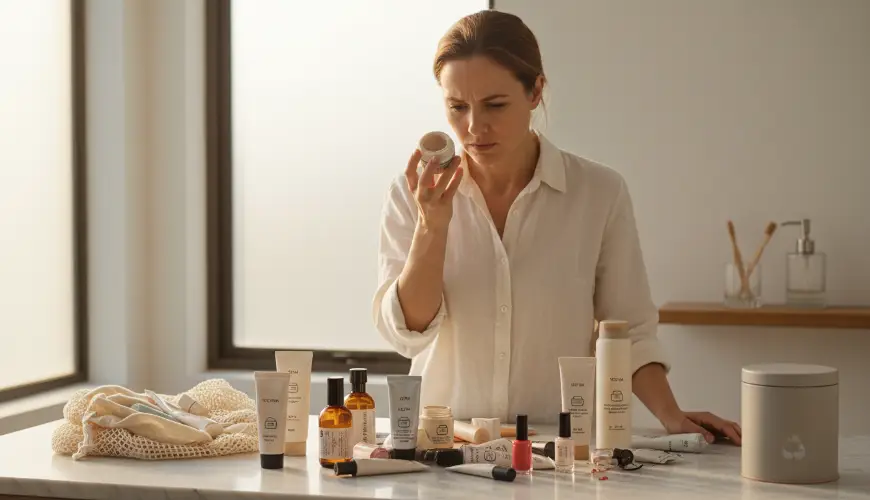
Everyone knows it – while cleaning the bathroom, a pile of creams, serums, shampoos and nail polishes suddenly appears, ones that nobody really used and whose expiry dates have long passed. Expired cosmetics is a problem that affects literally every household, yet few people talk about it. What should you actually do with them? Throw them in the bin, or are there better options?
The answer isn't as straightforward as it might seem. It depends on what type of product it is, how long past its expiry date it is, how it was stored and what condition it's in. Cosmetics aren't like yoghurt – they don't go sour overnight and don't immediately start causing harm. Nevertheless, using them without thought isn't wise, and importantly, throwing them in regular household waste may not be the best solution either.
Try our natural products
Why expired cosmetics aren't just an innocent matter
The minimum durability date on cosmetic products isn't merely a formality. Manufacturers are legally required to state either a specific expiry date or the symbol of an open jar with a number – the so-called PAO (Period After Opening), which indicates how many months after opening the product is safe to use. According to European cosmetics legislation, products with a shelf life of more than 30 months don't need to state a date, but shorter shelf lives must be clearly labelled.
But what happens to cosmetics after expiry? Preservatives that protect the product from bacteria and moulds gradually lose their effectiveness. This means that the product can become a breeding ground for microorganisms, without this being visible or detectable at first glance. Particularly risky are products that come into contact with sensitive areas – eye shadows, mascaras, eyeliners or products designed for skincare around the eyes. By contrast, purely alcoholic perfumes or solid soap are considerably more resilient from a safety perspective.
Oxidation is another silent enemy. Oils contained in creams, serums and products with vitamin C change over time, go rancid and can cause skin irritation or allergic reactions. Dermatologists point out that using outdated cosmetics is one of the overlooked causes of skin problems that patients otherwise cannot explain. As American dermatologist Dr. Whitney Bowe said: "An old cream won't just fail to help you – it can actively cause harm."
Nevertheless, not every expired product is automatically dangerous. If a perfume just slightly changes its scent or a cream loses some of its effectiveness, it doesn't mean immediate danger. Common sense and attention to how a product looks, smells and feels on the skin are good guides.
Where to properly dispose of expired cosmetics
Here comes the part that most people don't think about – what to do with cosmetics once you've decided you really don't want and can't continue using them. The intuitive solution – throwing everything in the bin – is unfortunately quite problematic from an ecological standpoint. Cosmetic preparations contain chemical substances that can contaminate soil and groundwater when disposed of improperly. Microplastics, synthetic fragrances, preservatives such as parabens or formaldehyde – all of this has its environmental impact in household waste, from where it ends up in landfills or incinerators.
The correct path leads through recycling centres. Most towns and municipalities in the Czech Republic operate recycling centres where chemical waste can be deposited, and cosmetics belong in this category. Specific information about the nearest location can usually be found on your municipality's website or on the Mapy.cz portal, where you can search for "sběrný dvůr" (recycling centre) in your area. Liquid preparations should never be poured down the drain – although this is commonly done, wastewater treatment plants are not equipped to filter all cosmetic substances, and these then end up in natural waterways.
Some pharmacies in the Czech Republic accept certain categories of cosmetics back, particularly medicinal preparations or products containing active pharmaceutical ingredients – this includes, for example, medicated creams or preparations with retinol in high concentrations. It's worth asking at your nearest pharmacy.
An interesting option is also participation in cosmetics sharing and donation projects. There are online communities and local groups where people exchange or donate unopened or minimally used products before their expiry. If cosmetics haven't yet expired but you know you simply won't use them, donating them before they expire is the best choice. Such groups operate, for example, on Facebook or through local swap events.
Surprising ways to still use expired cosmetics
And now comes the part that will surprise many: some cosmetics past their expiry date can still be put to meaningful use – just not for their original purpose. These aren't home-invented tricks, but proven practices with a practical basis.
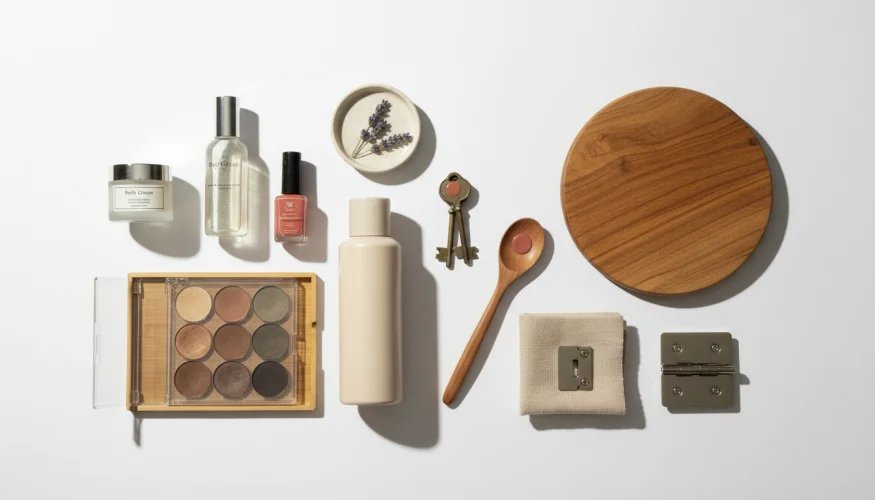
An expired body or face cream is an excellent household helper. It can be used to lubricate squeaky door hinges, to treat leather goods such as shoes, handbags or belts, or as a means to free stuck zips. Cream with a higher oil content also works as protection for metal objects against rust – simply apply it to scissors, knives or garden tools. This method is well known among people who care for leather goods.
Old shampoo or conditioner has a whole range of alternative uses. Hair conditioner is an excellent product for washing delicate laundry – it works similarly to liquid detergent for delicate materials and leaves fabrics soft. Shampoo can serve as a cleaning agent for toilet brushes, as a product for washing makeup brushes or even as a substitute for shaving soap. A young woman from Prague who is dedicated to a sustainable lifestyle shared on social media her experience of how expired conditioner saved her collection of cashmere jumpers after she ran out of specialist washing detergent – and the result was, by her account, excellent.
Expired body oils are perfect for caring for wooden surfaces in the home. Kitchen chopping boards, wooden spoons or bamboo utensils can be treated with oil that would otherwise end up as waste. Coconut oil of cosmetic quality – even expired – is particularly effective in this regard. Similarly, expired oil can be used as a lubricant for squeaky bicycle wheels or as a protective coating for garden furniture before winter.
Expired sun cream loses its protective factor but still contains moisturising ingredients. It can therefore be used as body lotion on areas not exposed to direct sunlight, or as a softening agent for rougher skin on feet and elbows. It should definitely not serve as protection against UV radiation, however – this is crucial.
Expired nail polishes are an interesting chapter in themselves. They can be used to repair small scratches on metal or wooden objects, to mark keys with a coloured dot, or to fix loose screws. Clear polish can stop fraying threads on clothing or protect paper labels from moisture. If the polish has become too thick, it can be rescued by adding a drop of acetone or a special thinner.
Expired powder products such as eye shadows or blushers that are no longer safe for use on the face can be recycled as pigment for DIY projects. Artists and creative enthusiasts mix them with clear glue or medium and create their own paints, decorative fillings for candles or pigmented waxes. This trend is spreading particularly in communities dedicated to sustainable creation and a zero waste lifestyle.
How to prevent cosmetics from expiring
The best strategy is of course one that minimises the problem of expired cosmetics from the outset. One of the most common reasons why cosmetics expire before being used up is simply that people buy too much at once – tempted by promotions, sales or fashion trends.
A regular audit of the cosmetics cabinet, ideally twice a year, helps. Products arranged by expiry date and conscious purchasing – meaning buying less but of better quality – are the foundations of a sustainable approach to cosmetics. Investing in products with a longer shelf life and simpler ingredients is generally a more economical and ecological choice. Natural cosmetics without synthetic preservatives may have a shorter shelf life, but if purchased in smaller quantities and stored correctly (away from direct sunlight and moisture), they can be used up without any problem.
Proper storage plays a crucial role. The bathroom is paradoxically one of the worst places to store cosmetics – heat and humidity accelerate product degradation. Serums with vitamin C, retinol or natural oils should be kept in a cooler environment, ideally in a cosmetics fridge or a cool pantry.
A conscious approach to cosmetics is part of a broader perspective on sustainable living. Just as with food or clothing choices, less is sometimes more – fewer products, less waste, fewer concerns about what to do with expired cosmetics. And when expiry does occur, it's good to know that there are ways to handle the situation responsibly – whether through proper disposal or by giving products a creative second life that would otherwise end up in the bin.