

Natural care during pregnancy can start at home when you choose gentle routines for both body and mi

Pregnancy is a period when a tremendous amount of changes occur in the body all at once—some are immediately visible, while others manifest after weeks. Along with this comes the natural need to care for oneself more sensitively than before. Not necessarily "more," but smarter: choosing gentle approaches, listening to the body's signals, and avoiding unnecessary chemicals where they don't make sense. This is why the term natural care during pregnancy is increasingly mentioned—not as a fashion trend, but as a return to simplicity and safety. So, what could natural care during pregnancy for the body inside and out look like, to be practical, understandable, and truly helpful?
It's good to remind ourselves that pregnancy is not an illness, and the goal is not a "perfect regime." It's more about finding a sustainable rhythm that supports well-being, sleep, digestion, skin, and psyche. And also ensuring that preparation for childbirth doesn't start only in the maternity ward but subtly at home—in how we breathe, rest, eat, care for our skin, and talk to ourselves. Isn't it somewhat paradoxical that we care so much about the baby's gear, but often forget about our own "gear"?
Try our natural products
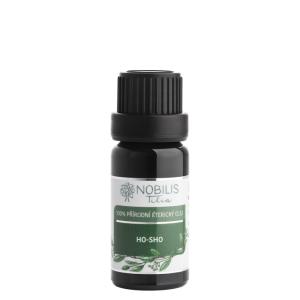
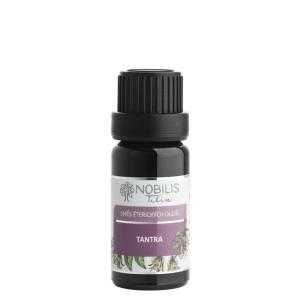
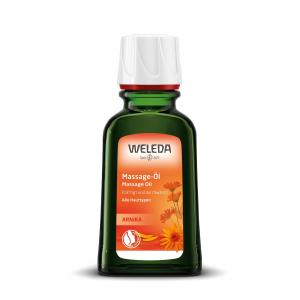

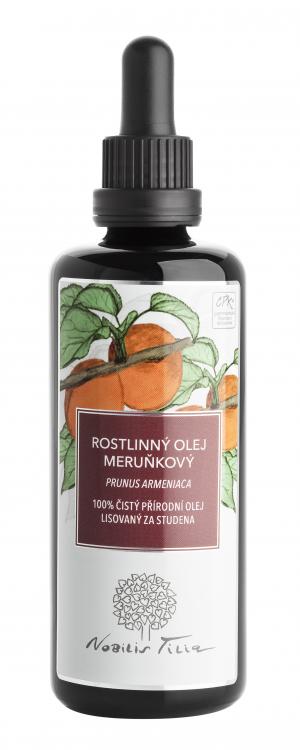
Natural Care during Pregnancy from the Inside: Food, Drink, Peace, and Rhythm
When discussing how to naturally care for oneself during pregnancy, most people think of herbs or natural cosmetics. However, the foundation starts much earlier—in what ends up on the plate daily, how stress is managed, and whether the body has space to regenerate. There's no need to count every calorie; often, it's enough to return to simple logic: regularity, variety, and as few processed foods as possible.
The body works "overtime" during pregnancy and appreciates a diet rich in proteins, fiber, quality fats, and natural sources of micronutrients. Practically, this means it's worthwhile to include legumes, eggs, low-mercury fish, nuts and seeds, whole grains, vegetables, and fruits in the diet. Calcium and vitamin D are important for bones, iron for blood formation, iodine for the thyroid gland, and omega-3 fatty acids for nervous system development. If one gets lost in this, it can be useful to rely on authoritative recommendations, such as overviews on the World Health Organization (WHO) website or nutrition recommendations and breastfeeding and motherhood information on the UNICEF pages.
A major topic is hydration. During pregnancy, blood volume increases, and the body manages fluids differently, so thirst can come suddenly and intensely. Clean water is essential, but unsweetened teas designed for pregnant women are also useful. However, caution is advised with herbs—not because "herbs are bad," but because some can have undesirable effects or are not sufficiently researched. A safe path is to stick to proven, gentle options and always consider the recommendations of a doctor or midwife, especially if dealing with a high-risk pregnancy.
Natural internal care also includes digestion, as heartburn, bloating, or constipation can make even peaceful weeks unpleasant. Fiber, regular movement, adequate fluids, and smaller meals spread throughout the day help. Sometimes small changes make a big difference: not eating right before bed, slightly elevating the upper body while sleeping, preferring warm and lighter meals. Gentle, natural routines tend to be more effective than chasing after a "miraculous" solution.
Then there's sleep and the nervous system. Pregnancy can bring a peculiar mix of fatigue and restlessness—the body wants to rest, but the mind is active. In such moments, natural care for mental well-being has great value: regular walks, mindful breathing, short stretches, a warm shower, reducing screen time in the evening. It sounds trivial, yet these small things make the difference between "just getting through it" and "feeling good in it." As one often-quoted saying in the maternity environment goes, "Childbirth is the work of the body—and the body works best when it feels safe."
Natural Care from the Outside: Skin, Hair, Intimate Area, and a Household without Unnecessary Chemicals
When it comes to natural care during pregnancy for the body inside and out, "outside" often means the skin. It behaves differently during pregnancy: it may be drier, more sensitive, sometimes develop pigment spots, or acne. Since the skin is the body's largest organ, it makes sense to choose products that are gentle and have clear ingredients. It's not about having a bathroom full of bottles; rather, finding a few things that work and don't irritate.
Starting with a simple rule: less fragrance, fewer aggressive surfactants, more gentleness. For shower gels and soaps, it's worth choosing gentle cleansing agents that don't dry out the skin. With creams and oils, the focus should be on nourishment and supporting the skin barrier—typically plant oils (almond, jojoba, olive), shea butter, or creams containing natural lipids. Oils and balms are often used on the belly, hips, and breasts for skin elasticity; it's fair to say that stretch marks are largely determined by genetics and growth speed, but regular massage can improve comfort, itching, and tension. And sometimes, it's not so much about the "result" as it is about taking a few minutes daily to pause and give the body attention.
A sensitive topic is care for the intimate area. During pregnancy, pH and the microbiome change, making the mucosa more prone to irritation. At such times, it's advisable to avoid aggressive perfumed products and unnecessary douches. Gentle hygiene, breathable underwear, and gentle, fragrance-free laundry detergents are often more effective than "special" products. Here, natural care beautifully connects with the household: if washing is done with heavily perfumed gels and fabric softeners, the skin can notice it faster than one might expect.
When talking about an eco-friendly household, it's not just about the planet but also about the air at home. Pregnancy is often a time when sensitivity to smells increases, and synthetic fragrances can be unpleasant. Gentler cleaning products, reducing aerosols, and ventilation are small changes that increase comfort in practice. And if there's a good place to start, it's with the simplest: don't overdo it with scents. Cleanliness doesn't have to smell "like the ocean"—often it's enough that it's truly clean.
"Outside" also includes hair and the scalp. For some, hair improves during pregnancy, for others, it becomes greasy faster. Gentle shampoos without unnecessarily irritating ingredients and a moderate routine are a safe choice. When it comes to hair coloring, it's worth consulting a professional and being cautious, especially in the first trimester; many women opt for gentler alternatives or postpone coloring. Again, the goal is not fear, but a calm decision.
And one more thing that is sometimes overlooked: comfort. Natural care can also mean that clothes don't pinch, bras fit well, and at home, there are soft layers that breathe. Sustainable fashion and natural materials have a practical dimension during pregnancy—the skin can be more sensitive, and synthetics sometimes worsen sweating or itching.
Preparing for Childbirth as Part of Everyday Care: Breathing, Pelvic Floor, and Small Rituals
Preparation for childbirth is often reduced to a course and a hospital bag. However, what's much more important is what happens in a regular day: how one stands, breathes, relaxes the jaw, and whether one can rest without guilt. The body remembers. And if habits that support calmness and flexibility can be established during pregnancy, they may be beneficial during childbirth.
Practically, gentle movement is often recommended—walks, swimming, pregnancy yoga, or exercises for pregnant women. Not for performance, but for circulation, mobility, and psyche. The pelvic floor plays a significant role: sometimes it needs strengthening, other times relaxation. Therefore, consulting a physiotherapist specializing in women is ideal for setting up personalized exercises. Natural care here means respecting individuality, not a universal manual.
Breathing is much talked about. Not as "esotericism," but as a simple tool always at hand. A slow exhale can calm the nervous system, relax the shoulders, and often reduce the perception of tension. Those who get used to slowing their breath during a challenging moment and relying on the exhale during pregnancy may have one of the most practical tools during childbirth.
This also includes perineal massage in the later weeks of pregnancy—a topic that causes embarrassment but is increasingly openly discussed. In some recommendations, it appears as an option to support tissue elasticity. However, it's advisable to discuss it with a midwife or doctor, as there are situations where it's not recommended. In natural care, it's not about "musts," but about informed choices.
And now, an example from everyday life that is perhaps surprisingly typical. Imagine that in the seventh month, unpleasant tension in the lower back and dry, itchy skin on the belly start to appear regularly in the evening. One might automatically reach for "something strong," but often a simple combination works: replacing a perfumed shower gel with a gentler one, applying a nourishing natural oil after the shower, and instead of another hour on the phone, spending ten minutes with a pillow between the knees, calm breathing, and a short stretch. It's not a dramatic solution, but after a few days, the body associates the evening with relaxation—and that's actually a small, subtle preparation for childbirth, as the ability to calm down and relax is invaluable during childbirth.
Natural preparation also includes being informed. It's not necessary to read everything, but it's useful to have reliable sources and know what to ask. In addition to WHO, the care overview during pregnancy and prevention recommendations on the CDC pages can be a good starting point, summarizing many topics clearly (even though they are written for the American context). In the Czech context, it's always crucial to follow the recommendations of one's own gynecologist and the maternity hospital where childbirth is planned.
Finally, natural care also touches on how boundaries are set at home. Pregnancy is a time when a lot of advice from the surroundings can easily accumulate—well-intentioned but sometimes overwhelming. Yet, natural care during pregnancy is often also mental hygiene: allowing oneself to disconnect from excess information, choosing a few trustworthy sources, and letting the rest go. The body has its own intelligence and often very clearly indicates what benefits it and what is too much.
When it all comes together, it forms a simple picture: how to naturally care for oneself during pregnancy isn't one big change, but a chain of small, kind steps. Slightly gentler cosmetics, fewer synthetic scents at home, a bit more rest, more regular drinking, a few minutes of mindful breathing, a walk instead of more scrolling. And above all, the feeling that care isn't an additional obligation, but a way to experience pregnancy with greater peace—from the inside out, day by day, as naturally as possible.