
# When to Choose Vinyasa and When to Choose Yin Yoga ## What Is Vinyasa Yoga? Vinyasa is a dynamic
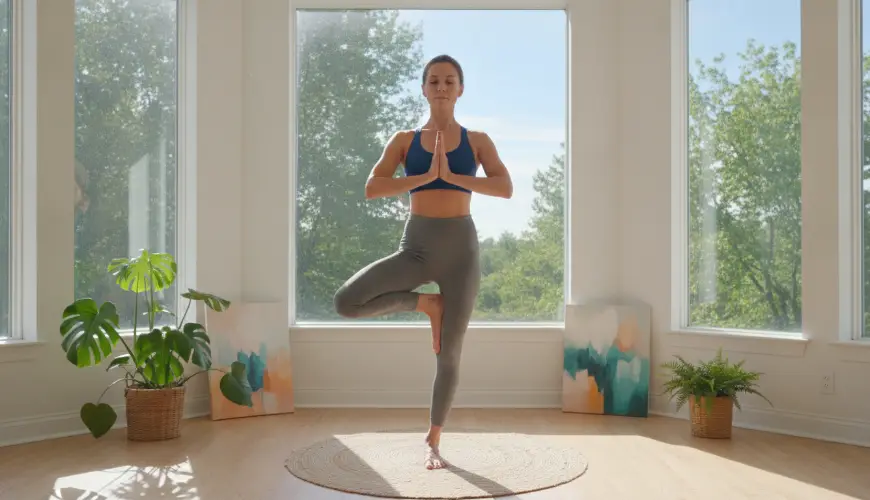
Yoga is not just one thing. Anyone who has ever looked into the world of this ancient practice quickly discovers that behind this single word lie dozens of different styles, approaches, and philosophies. Two of them have enjoyed extraordinary popularity in recent years – and at the same time stand at opposite ends of the entire spectrum. Vinyasa and yin yoga are, in a sense, perfect opposites, and that is precisely why each of them deserves attention. But the question is not which of them is better. The right question is: which of them is better right now, for you, in this particular moment?
The answer to that question is not simple at all, and anyone who claims otherwise probably hasn't yet understood what yoga is truly about. The choice between a dynamic and a passive style of practice depends on far more factors than it might initially seem – on the physical state of the body, mental disposition, quality of sleep, phase of the menstrual cycle, the season, or even what is happening at work.
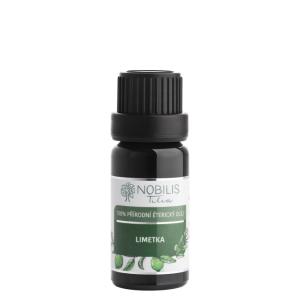
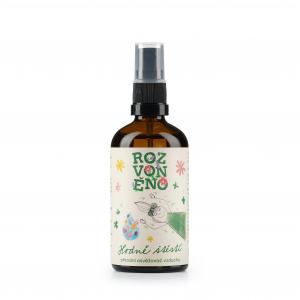
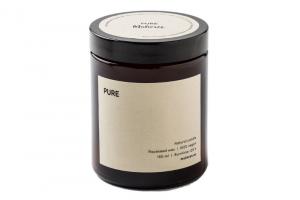
Try our natural products
What vinyasa yoga actually involves
Vinyasa is a dynamic, flowing style of yoga in which movement is synchronised with breath. The word "vinyasa" comes from Sanskrit and can be translated as "movement connected with breath" or "sequential arrangement." In practice, this means that the practitioner transitions from one position to another in a continuous flow, with the inhale and exhale determining both the rhythm and direction of movement. Vinyasa classes are typically lively, energetic, and physically demanding – they warm the body, raise the heart rate, and after an hour of practice, one truly feels that they have moved.
This style has become particularly popular among those who seek a cardiovascular element in yoga, or those who need movement to "switch off" the mind. And that is the key point: vinyasa works as an excellent tool for diverting attention away from busy thoughts. If the sequence is sufficiently challenging and demands concentration, the brain simply does not have the capacity to dwell on work worries or family conflicts. Movement becomes meditation in action.
Research confirms that regular dynamic exercise, including vinyasa-style yoga, contributes to reducing levels of cortisol, the stress hormone, while simultaneously stimulating the production of endorphins. According to a study published in the journal Frontiers in Psychiatry, regular physical activity has a demonstrably positive effect on mood, anxiety, and depressive states. Vinyasa is thus not merely physical training – it is a comprehensive tool for mental wellbeing.
On the other hand, vinyasa has its limitations. It is not suitable for every day and every condition. If the body is tired, overloaded, or injured, an intense dynamic sequence may exhaust it even further. And this is precisely where yin yoga enters the picture.
Yin yoga: the art of slowing down and letting go
Yin yoga is, in every respect, the opposite of vinyasa. Instead of movement, it offers stillness. Instead of warming the muscles, it works with deeper tissues – fascia, ligaments, and joints. Instead of short, dynamic transitions between positions, the practitioner holds a single posture for perhaps three, four, or even five minutes. And it is in that length and stillness that the entire magic of this approach lies.
Yin yoga draws on the principles of traditional Chinese medicine and the theory of meridians, energetic pathways running through the body. While yang practices (such as vinyasa) strengthen and heat, yin approaches the body from the opposite direction – cooling, calming, and restoring. Long holds in postures allow the fascia and connective tissues to gradually release and lengthen, which has a profound effect on mobility and on the overall feeling within the body.
Imagine Martina, a thirty-four-year-old graphic designer from Brno, who sits at a computer all day and attends vinyasa classes in the evenings. At first, the dynamic sessions excited her and gave her energy. After several months, however, she began to feel tension in her hips and lower back that would not go away. A friend persuaded her to try a yin class. Martina went reluctantly – how could doing nothing be enjoyable? After the first session, however, she left feeling as though someone had lifted a rucksack from her shoulders that she hadn't even known she was carrying. The fascia in her hips released, her back stopped aching, and Martina began incorporating yin yoga regularly as a complement to her dynamic classes.
This story is not an exception. Many practitioners discover that combining both styles works better than loyalty to a single approach. And understanding when to reach for which form is the true art.
How to recognise which form will benefit you right now
The body communicates constantly. The problem is that most people have stopped listening to it. We have learned to silence fatigue with caffeine, ignore pain with analgesics, and suppress stress by burdening ourselves with even more work obligations. Yoga – whether vinyasa or yin – teaches us the opposite approach: to listen, to perceive, and to respond.
There are certain reference points by which one can choose an appropriate style on a given day or during a given period of life. Vinyasa is generally the right choice when energy is present but needs direction. If a person feels restless and mentally overloaded but is physically fine, dynamic movement will help transform mental tension into physical activity and naturally dissipate it. Vinyasa is excellent after long periods of sitting, when the body needs warming in cold weather, or when one feels the need to strengthen their core, improve balance, or work on strength.
Yin yoga, on the other hand, comes into its own when energy is low or when both body and mind signal a need for restoration. Deep fatigue, emotional exhaustion, nervous system overload, chronic tension in connective tissues, or recovery from illness – these are situations where a passive, deep yin yoga practice can do more than an hour of intense exercise. Yin yoga is also an excellent choice in the late evening hours, when a dynamic practice would disturb the natural transition into sleep.
As the founder of modern yin yoga, Sarah Powers, said: "Yin yoga teaches us to remain in discomfort without reacting to it – and that may be one of the most important skills we need in life."
The phase of the menstrual cycle also plays an important role. In the follicular phase, when oestrogen rises and energy naturally increases, the body adapts better to dynamic exercise. In the luteal phase and especially during menstruation, when hormone levels drop and the body needs more rest, yin yoga or restorative yoga is a far more appropriate choice. Research published on the PubMed portal suggests that adapting exercise intensity to the phases of the cycle may contribute to reducing premenstrual symptoms and overall hormonal balance.
The logic of the seasons functions similarly. Many traditional systems – from Ayurveda to traditional Chinese medicine – recommend adapting physical activities to the time of year. Spring and summer are ideal for yang activities full of movement and energy. Autumn and winter call for greater introspection, a slower pace, and regeneration – that is, a yin approach.
Combination as the foundation of balanced practice
Experienced practitioners and yoga teachers agree that an ideal practice is not built on choosing one style, but on their conscious alternation. Both body and mind need stimulation as well as regeneration – just as the alternation of inhale and exhale, activity and rest, spring and winter.
In practice, this might look something like this:
- Monday and Wednesday: vinyasa as the main physical activity, warming up, strengthening, releasing mental tension
- Friday: yin yoga as preparation for the weekend, deep release of fascia and the nervous system
- Sunday: yin or restorative yoga as a conscious transition into the new week
This scheme is, of course, not a dogma. It is merely an illustration of how both styles can be naturally combined. The key is always the current state of body and mind – not the calendar, not a training plan, but genuine listening to oneself.
It is worth noting that neither of these styles requires expensive equipment. A quality mat, comfortable clothing made from natural materials, and a quiet place are all that is needed. Nevertheless, it makes sense to invest in things that support the practice – whether that is a block, a strap, or a bolster for yin positions. These props are not a luxury, but a tool that allows one to go deeper and more safely into postures.
The choice between vinyasa and yin yoga is therefore not a matter of preference or fitness level. It is a matter of self-knowledge and the willingness to adapt one's practice to what the body and mind truly need – not to what we think they ought to need. And it is precisely this ability to discern and respond that is perhaps the most valuable thing that yoga as a whole can offer us.