

Try cocoa as an evening ritual instead of alcohol
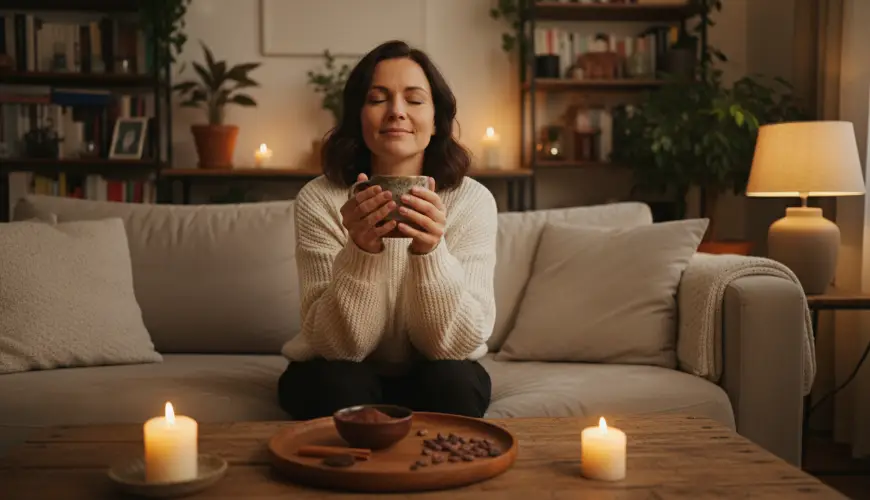
Every evening, the same scenario repeats itself. After a demanding workday, after hours spent in front of a screen, after an endless stream of emails and obligations, many people reach into the fridge or cupboard for a bottle of wine, beer, or something stronger. The drink serves as an imaginary switch between the working self and the private self, a ritual that says: this time is just for me. But what if there were an equally effective yet healthier way to enjoy this transition into a calmer evening? More and more people are discovering the answer in a cup of quality cacao – and the results are pleasantly surprising them.
This is not a passing fad or another wellness trend that will fade away in a few months. Cacao as an evening ritual instead of alcohol is finding its way into homes around the world for very specific reasons, ranging from brain chemistry and cultural traditions to the simple pleasure of a cup of something warm, fragrant, and special.
Try our natural products
What actually happens in the body when we drink alcohol in the evening?
To understand why cacao is such an interesting alternative, it is useful to first look at what alcohol actually does to the body. Many people believe that an evening drink helps them fall asleep and relax better. There is some truth to this – alcohol does indeed shorten the time it takes to fall asleep – but this apparent benefit comes at a high price. Research repeatedly shows that alcohol consumption disrupts the REM sleep phase, which is crucial for brain recovery, memory consolidation, and emotional processing. In other words, a person may wake up in the morning, but feeling unrested, with a heavier head and worse mood than if they had not drunk alcohol at all.
Moreover, the very mechanism of relaxation that alcohol offers is largely illusory. As the World Health Organization states, there is no safe level of alcohol consumption when it comes to health. Alcohol is a central nervous system depressant that reduces anxiety in the short term but reinforces it in the long term – especially when the evening drink becomes a habit. The body grows accustomed to it, begins to require alcohol as part of the relaxation ritual, and the switch between work and rest stops functioning without it.
This is precisely the point where cacao enters the picture – not as a substitute, but as a fully-fledged alternative with its own rich world of flavours, effects, and rituals.
Cacao and its effects on mind and body
Cacao is one of the oldest ritual plants in the world. Mesoamerican civilisations, particularly the Maya and the Aztecs, considered cacao beans a gift from the gods and prepared drinks from them during important ceremonies, celebrations, and meditations. This was no coincidence – they intuitively sensed what modern science now confirms with measurable data.
Raw or minimally processed cacao contains a whole range of bioactive compounds that have a demonstrable effect on mood, concentration, and overall wellbeing. Theobromine, the main alkaloid in cacao, acts as a gentle stimulant that, unlike caffeine, does not cause nervousness or a sharp energy crash after its effects wear off. Instead, it brings a sense of calm alertness – a state that is perfectly suited to an evening ritual, as it does not hinder falling asleep later but allows one to fully experience the time before bed.
Cacao is also one of the richest natural sources of magnesium, a mineral that a large proportion of the population is estimated to be deficient in. Magnesium plays a key role in regulating the nervous system, relaxing muscles, and improving sleep quality. In addition, cacao contains anandamide – a substance nicknamed the "bliss molecule" – and tryptophan, a precursor to serotonin, which is essential for feelings of happiness and wellbeing. It is therefore no surprise that a cup of well-prepared cacao can induce a genuine sense of relaxation without dulling the mind or disrupting sleep.
As chocolate researcher and author Gordon Parker puts it: "Chocolate is the only food that can imitate the euphoria of falling in love." This statement refers to chocolate in general, but its foundation lies precisely in the chemical composition of cacao, which is even more pronounced in its pure form.
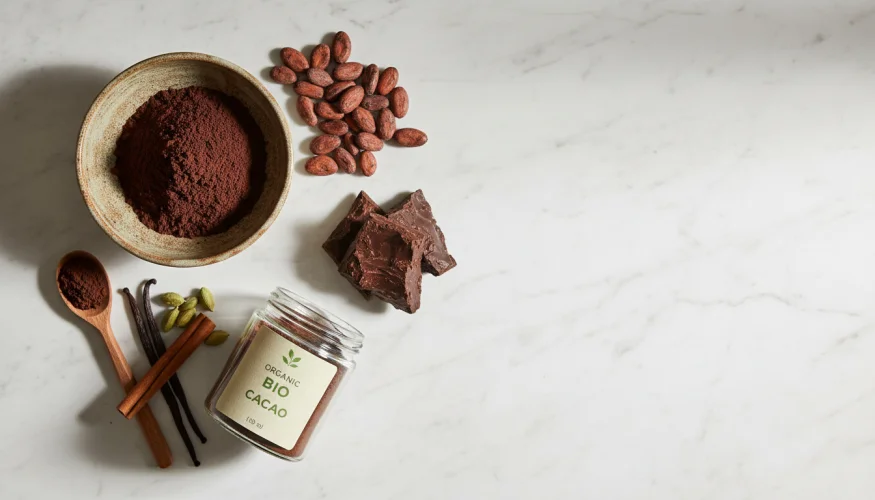
It is important to highlight the difference between quality cacao and industrially processed chocolate full of sugar and hydrogenated fats. Ceremonial cacao or organic cacao powder retains most of its bioactive compounds, whereas only a fraction remain in ordinary chocolate bars. If someone is looking for the real effects, they should reach for a quality ingredient – and this is where a whole world of flavours and possibilities opens up.
How to create your own evening ritual with cacao
Ritual is the key word. Much of the appeal of an evening glass of alcohol lies not in the alcohol itself, but in the ritual that surrounds it – the sound of an opening bottle, the slow pouring, the sitting at a table or on a sofa with a cup in hand. The good news is that cacao can fully take over this ritual dimension and even enrich it.
Preparing cacao can be just as slow, intentional, and sensory as opening a good bottle of wine. It begins with choosing a quality ingredient – whether that is ceremonial cacao from a specific origin, organic cacao powder, or cacao paste. Then comes the preparation itself: heating milk or a plant-based alternative, stirring, and optionally adding spices such as cinnamon, cardamom, chilli, or vanilla. The entire process takes just a few minutes, but it is precisely in these minutes that the transition takes place – from work mode into the calm of the evening.
Let us consider a specific example. Jana, a thirty-six-year-old graphic designer from Brno, used to drink two glasses of wine every evening. Not because she was dependent, but because it was the only way to "switch off". A year ago, she began experimenting with cacao – first out of curiosity, then out of habit. Today she says she wakes up with a clearer head, sleeps better, and enjoys her evenings more because she is truly present during them. She has not given up wine entirely, but it has ceased to be a daily necessity. The cup of cacao has taken over the role of the switch.
Such stories are becoming more common. Communities around so-called cacao ceremonies – the conscious drinking of cacao in a circle of people – are growing around the world, from London and Berlin to Prague. This is not about esotericism, but about a very specific need: to find a way to slow down, be present, and allow oneself a moment of genuine calm without side effects.
When putting together your own evening ritual with cacao, several simple principles have proven effective:
- Choose a quality ingredient – organic cacao or ceremonial cacao with a high flavonoid content
- Give the preparation your full attention – put down your phone, put on pleasant music or enjoy the silence
- Experiment with spices – cinnamon calms, chilli invigorates, cardamom adds an exotic touch
- Choose a favourite cup – a physical object that becomes part of the ritual
- Drink slowly and mindfully – let the flavour and the warmth of the cup work their effect
This approach to drinking cacao is not just about health in the narrow sense. It is about a conscious decision regarding how to spend the evening hours, and about seeking pleasure that leaves no bitter aftertaste in the morning.
The growing interest in alternatives to alcohol is no coincidence. Millennials and Generation Z drink significantly less alcohol than their parents – according to data from the UK's Office for National Statistics, the proportion of non-drinkers in younger age groups is rising across Western countries. These people are not only looking for a healthier body, but also a deeper experience of the present moment – and this is precisely what cacao offers in a way that is accessible, delicious, and requires no radical life changes.
Cacao is thus becoming something more than just a drink. It is a symbol of a slower, more conscious way of life, in which the evening belongs not to stress or numbness, but to genuine rest. And that is perhaps the best news of all: a ritual that truly benefits both body and mind can at the same time be a ritual that a person genuinely enjoys.