
Why is walking backwards, or retro walking, becoming increasingly popular
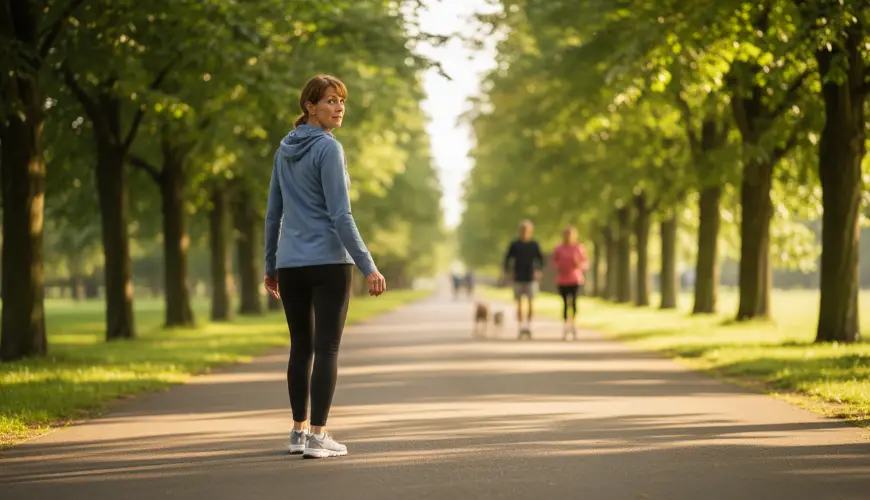
If someone had told us a few years ago that we would go outside to exercise by walking backwards, they probably wouldn't have believed us. And yet this seemingly strange movement has become one of the most discussed fitness trends in recent years. Walking backwards, known in the English-speaking world as retro walking, has transformed from a fringe rehabilitation method into a fully-fledged exercise style practiced by people around the world – from parks in Asia through European promenades to modern gyms equipped with special reverse treadmills.
It is not merely a fashionable eccentricity without substance. The popularity of walking backwards is backed by a solid scientific foundation and a whole range of practical benefits that set it apart from a classic walk. The body behaves differently when moving backwards than we are used to – and it is precisely this difference that is the key to understanding why this trend captivates and retains so many people.
Try our natural products
What happens in the body when we walk backwards
During normal forward walking, our brain works largely automatically. Movement patterns are so ingrained that we pay minimal attention to them. Walking backwards completely eliminates this comfort. The brain must actively coordinate every step, monitor balance, spatial orientation, and at the same time anticipate what is coming – or rather, what is behind us. This increased cognitive load is not a disadvantage; quite the contrary. Research shows that activities requiring simultaneous physical and mental coordination have a positive effect on brain plasticity and may slow its ageing.
From a muscular perspective, the situation is even more interesting. When walking backwards, muscles that remain in the background during normal forward movement become engaged. These include in particular the quadriceps, calf muscles, and deep stabilising muscles of the trunk. While classic walking primarily loads the back of the body – the gluteal muscles and hamstrings – walking backwards shifts the centre of work to the front of the leg and trunk. For many people who spend hours sitting at a computer, this is a welcome change, as the front thigh muscles and core tend to be weakened by a sedentary lifestyle.
The impact on joints, particularly the knees, is also interesting. A study published in the specialist journal Gait & Posture demonstrated that walking backwards significantly reduces pressure on the kneecap and the front of the knee joint. For people suffering from knee pain or osteoarthritis, this movement may be a gentler alternative to running or even to walking uphill. Physiotherapists have been exploiting this fact for many years – retro walking is part of standard rehabilitation protocols following knee injuries or anterior cruciate ligament surgery.
Metabolically speaking, walking backwards is also surprisingly demanding. At the same speed, a person burns approximately 20 to 40 percent more calories moving backwards than when walking forwards. The reason is simple: the body works less efficiently because the movement pattern is not automated, and must therefore expend more energy with each step.
Retro walking in practice – from parks in China to modern fitness studios
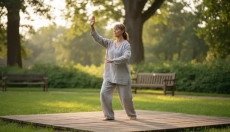
Walking backwards is not an invention of recent years. In China, this practice has deep cultural roots. In parks there, especially in the morning, it is perfectly common to see older people walking backwards along designated paths, with many having done so for decades. Traditional Chinese medicine and tai chi philosophy regard backward movement as a way to harmonise the body's energy and strengthen balance. What generations of Chinese seniors knew intuitively, science is only gradually confirming.
In the West, retro walking entered wider public awareness primarily through social media. Videos of people walking backwards in a park, on a treadmill, or even on a mountain trail are racking up millions of views on TikTok and Instagram. But unlike many other viral fitness trends that come and go like morning mist, walking backwards maintains attention precisely because the results are real and measurable.
An example is the experience of Markéta, a forty-year-old accountant from Brno, who after meniscus surgery was looking for a way to return to movement without pain. Her physiotherapist recommended she start with backwards walking on a gentle surface. "At first it seemed absurd to me," she says. "But after three weeks I noticed that my legs were stronger and my knee had stopped hurting when climbing stairs. Now I do it regularly as part of my warm-up before running." Markéta's story is not unique – thousands of people around the world share similar experiences.
So how do you start? Experts recommend beginning on a flat, safe surface – ideally on grass or a less busy pavement. It is important to first get used to the feeling of moving without visual control of what is behind you. Some beginners help themselves by occasionally checking the path over their shoulder, or they practise with a partner who navigates the route for them. On a treadmill the situation is easier – the environment is predictable and there is no risk of unexpected obstacles.
The recommended pace for beginners is slow and mindful. It is not about speed, but about the quality of movement and giving the body time to get used to the new movement pattern. As confidence grows, the pace can be increased, hills can be added, or backwards walking can be combined with other exercise activities.

Why retro walking is not just for athletes
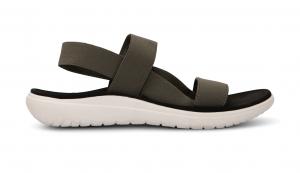
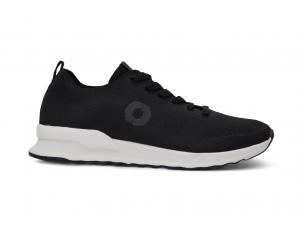
One of the greatest advantages of walking backwards is its accessibility. It requires no special equipment, gym membership, or prior sporting experience. All you need is comfortable footwear with good ankle support and a suitable surface. This is precisely why retro walking suits such a wide range of people – from recreational athletes through seniors to those in rehabilitation.
For the older population, walking backwards has a particular benefit in the area of fall prevention. Balance training and proprioception – that is, the body's ability to perceive its position in space – is crucial for seniors. Research published in the Journal of Aging and Physical Activity showed that regular exercise incorporating backward movement improves balance and reduces the risk of falling in older adults more significantly than many conventional exercise programmes.
For people who are overweight or those returning to physical activity after a longer break, retro walking is a gentle yet effective choice. The low impact on joints combined with a higher caloric expenditure makes it an ideal activity for those who want to lose weight or improve their fitness without exposing themselves to the risk of overloading the musculoskeletal system.
The psychological dimension of this exercise is also interesting. As sports psychologist and author of The Joy of Movement Kelly McGonigal notes, physical activities that evoke a sense of playfulness and mild challenge tend to be sustainable in the long term. And walking backwards evokes precisely this feeling – it is a little unusual, a little amusing, yet sufficiently demanding to bring the satisfaction of progress.
Retro walking also has the potential to enrich the mental aspect of exercise. Because it requires concentration and presence in the moment, it functions as a natural form of movement meditation. People who practise it regularly describe a feeling of mental calm and improved ability to concentrate after training – similar to yoga or tai chi. At a time when information overload and distraction of attention are chronic problems of modern society, this quality is invaluable.
The ecological aspect of this trend is also noteworthy. Walking backwards is an activity with zero resource consumption requirements – you need no electricity, plastic equipment, or expensive sports accessories. From the perspective of a sustainable lifestyle, it is a perfectly clean form of movement that places no burden on the planet. If you are interested in a healthy lifestyle in its broader context – that is, not only caring for your own body but also being considerate of the environment – retro walking is a natural complement to this approach.
Scientific knowledge in the field of sports medicine and kinesiology is constantly evolving, but the existing evidence speaks clearly: walking backwards is a simple, safe, and surprisingly effective method that delivers benefits across age groups and levels of physical fitness. A clear summary of current research in the area of alternative physical activities is offered, for example, by the PubMed database, where dozens of peer-reviewed studies devoted specifically to retro walking can be found.
Perhaps the most apt expression of this came from American physiotherapist and movement medicine expert Stuart McGill, who has long been devoted to research on movement and the spine: "The body needs movement variety. The more different movement patterns we train, the more resilient and functional our musculoskeletal system becomes." Walking backwards is precisely the kind of variety McGill is talking about – a movement that complements what we neglect in everyday life.
So is walking backwards just another passing hit, or a genuine shift in approach to movement? All indications point to the latter. The combination of scientifically supported benefits, accessibility, low injury risk, and surprising effectiveness makes retro walking a trend that deserves the attention of anyone looking for a way to enrich their movement repertoire – whether they are an athlete, a senior, or someone who is just setting out on the path towards a healthier lifestyle.