

# What to Sort Out During Pregnancy Before the Baby Arrives ## Administrativní záležitosti / Admini

Pregnancy is a period full of anticipation, preparation, and sometimes mild chaos. While most expectant mothers focus their attention on baby gear, painting the nursery, or choosing a maternity hospital, there are a whole range of practical administrative and organizational matters that are worth sorting out before the new family member arrives. Those who neglect this will quickly discover that caring for a newborn while running around to government offices is a combination that can exhaust even the most resilient parents.
It's no exception – most new mothers admit that the first weeks after birth are beautiful but also exhausting. That's precisely why it makes sense to use the calmer phases of pregnancy to minimize the post-birth chaos as much as possible. And although the list of things to sort out may look daunting at first glance, it's actually a series of logically connected steps that can be managed comfortably and without unnecessary stress.
Try our natural products



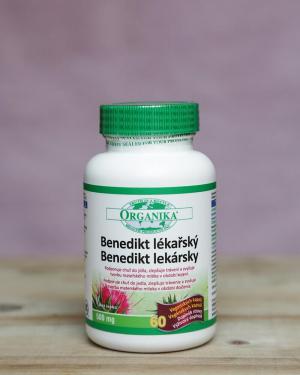
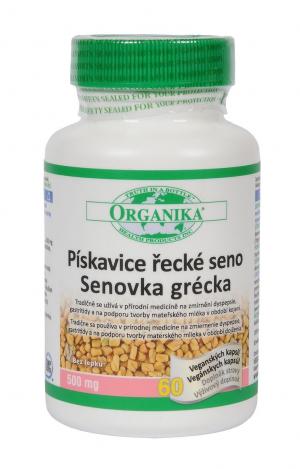

Administration and offices: the sooner, the better
One of the first things expectant parents shouldn't forget is notifying their employer of the pregnancy. The law doesn't set an exact deadline for when a woman must do so, but from a practical standpoint, the sooner the employer knows, the better a replacement and handover of work responsibilities can be planned. At the same time, from the moment of notification, the employee gains enhanced protection against dismissal. The ideal time to notify is usually at the end of the first trimester, when the risk of miscarriage decreases and the pregnancy is more stable.
The next important step is applying for maternity benefit, the so-called maternity pay. This is submitted through a gynaecologist, who issues the relevant form, which is then presented to the employer. Maternity leave can begin from the 28th week of pregnancy, and in some cases even earlier. New mothers then transition to parental allowance after the birth, for which they must apply at the relevant labour office. This allowance can be drawn in various ways and its amount depends on previous income – so it's worth studying this topic in advance and consulting a specialist if needed.
Regarding health insurance, it's worth verifying whether the newborn will automatically be registered with the parent's health insurance company, or whether a separate registration needs to be filed. In the Czech Republic, a child must be registered within 8 days of birth, and this obligation is most often handled directly by the maternity hospital. Nevertheless, it's worth having the information verified in advance and knowing exactly what will need to be arranged.
A separate matter is the birth certificate and assignment of a birth registration number. These documents are handled in the first few days by the registry office in cooperation with the maternity hospital, but parents should know what documents will be needed – particularly a marriage certificate or a declaration of paternity in the case of unmarried couples. The assignment of a birth registration number is key for all subsequent administration, from health insurance to tax deductions.
Speaking of taxes, it's worth mentioning that after a child is born, parents become entitled to a child tax credit, which can significantly reduce the family's tax liability. In practice, this means one of the parents claims the credit in their tax return or asks their employer to factor the credit into the calculation of monthly advance payments. The sooner parents are aware of this option, the sooner they can start taking advantage of it.
If the family lives in a rented flat, it's advisable to inform the landlord about the growing family during pregnancy and to discuss the terms of the rental agreement if necessary. Some landlords have specific conditions regarding the number of occupants, and it's better to address this situation in advance rather than in the post-birth confusion.
Preparing the home and personal well-being
Administration is just one part of the preparations. Equally important is preparing the home so that the first return from the maternity hospital is as comfortable as possible. As a popular saying among midwives goes: "The best preparation for childbirth is the one that begins long before it." And this applies not only to physical preparation of the body, but also to preparing the environment into which the baby will arrive.
Practical experience shows that one of the most pleasant things expectant parents can do is prepare food in advance. Many families swear by so-called freezer cooking – preparing and freezing ready-made meals before the birth. Imagine coming home from the maternity hospital tired, happy, and completely exhausted, with a homemade soup, braised meat, or healthy broth waiting for you in the freezer. No need to figure anything out – just heat it up. This seemingly small detail can make an enormous difference in the first few days.
It's also worth preparing a list of contacts of people who can help – whether family members, friends, or neighbours. Many loved ones are happy to help but don't know how. A specific list – who can come to cook, who can look after older siblings, who can go to the pharmacy – is invaluable in the first weeks after birth. It just needs to be prepared in advance and shared with those around you.
Another topic that tends to be underestimated is choosing and setting up a nursing or rest corner. Breastfeeding is time-consuming in the first weeks – the baby feeds very frequently and the mother spends long hours doing so. A comfortable armchair or sofa, a footstool, a nursing pillow, a glass of water within reach, and perhaps a phone charger nearby – all of this can transform demanding night-time vigils into a more manageable experience.
More and more expectant mothers are also paying attention to what they bring into their home in terms of product ingredients. Switching to more natural and gentle products is ideal to do during pregnancy, when there is time and space for it. This includes, for example, replacing standard cleaning products with eco-friendly alternatives that are gentler on a baby's skin and the home environment, or choosing organic cosmetics for baby skincare. Substances such as parabens, synthetic fragrances, or aggressive detergents can place unnecessary strain on a newborn's sensitive skin. Organizations such as the Environmental Working Group regularly publish ratings of cosmetic and cleaning products in terms of their safety, which can be a useful guide when making choices.
Similarly, it's worth thinking about textiles and clothing for the baby. Certified organic cotton clothing or products made from sustainable materials are not just a fashion statement – they represent a conscious choice in favour of the child's health and the planet. Synthetic fibres and textiles treated with chemical additives can irritate a newborn's sensitive skin, while natural materials breathe and feel more pleasant to the touch.
Pregnancy is also a good time to write a birth plan – a document in which parents express their wishes regarding the course of the birth. Although birth cannot always be planned in detail, a birth plan serves as a communication tool between parents and medical staff. Maternity hospitals in the Czech Republic are now familiar with this document, and most midwives welcome it as a useful basis for collaboration.

Psychological preparation and building support
Physical and administrative preparation is important, but psychological readiness for the change that birth will bring carries equal weight. The arrival of a child is a joyful event, but also a significant life transition that will affect the relationship, career, social life, and daily routine. Open communication within the couple before birth – about expectations, concerns, and the division of childcare – can significantly contribute to the first months going more smoothly.
Many specialists in perinatal psychology recommend that expectant mothers attend a prenatal course, not only for practical information about birth and breastfeeding, but also for the opportunity to meet other expectant parents. Groups of people in similar life situations naturally become a source of support, shared experiences, and friendships that then continue after the birth. The Czech Association of Midwives offers an overview of certified courses and advisors who can help with preparation.
It's also worth considering what digital and practical tools can make the first weeks easier for parents. Apps for tracking breastfeeding, sleep, and nappy changes, online groups for mothers, or shared calendars for coordinating help from family – these are all tools that aren't strictly necessary, but can genuinely reduce the mental burden during a demanding period.
One thing that tends to be forgotten during the preparation period is preparing an older sibling, if one exists. Welcoming a new family member is a major change for an older sibling, and the better prepared they are, the easier the transition tends to be for the whole family. Books about siblings, conversations about what's coming, or involving the older child in preparing the nursery – all of this helps create a sense of belonging and reduces the risk of jealousy.
The final, but no less important, point concerns self-care throughout the entire pregnancy. Rest, a healthy diet, pregnancy-appropriate exercise, and caring for one's mental health are not luxuries, but an investment in how well a mother will manage the demanding post-birth period. A woman who enters birth well-rested and in good condition – both physically and mentally – has a significantly better starting position. And this holds true regardless of how carefully the baby's layette is prepared or how perfectly the nursery is painted.
Pregnancy is a precious time that is worth using wisely. Resolved administration, a prepared home, a solid support network, and mindful self-care – these are the pillars on which a calm start to parenthood rests. And even if not everything can be planned, well-prepared parents always have a little more room for what matters most: being present and cherishing every moment with their new baby.