

A hospital bag can be simple when you focus on documents, comfort, and minimal items.

Waiting for childbirth is one of those special life periods when time can both drag on and fly by at the same time. One moment it feels like there’s still “plenty of space,” and a few days later you start replaying in your mind whether everything at home is really ready. The hospital bag is often one of the most common questions: what to take to the hospital, what is just “in case,” and what can actually save comfort in the first days after birth. The good news is that it can be managed without panic and without an overstuffed suitcase that will then get in the way under the bed in the maternity ward.
At the same time, it’s important to know that each hospital has slightly different customs. Some provide almost everything from mesh panties to changing supplies, while others expect you to bring your own gear. Therefore, it’s worth doing two things: check the website of your hospital (they often have their own hospital packing list) and then create a “golden mean” – one that covers common situations without unnecessarily burdening either the mother or the companion.
Try our natural products
When to Pack the Hospital Bag and Why It Pays to Have a Plan
The question of when to pack the hospital bag has a surprisingly practical answer: when any potential rush would be more of a hindrance than an exciting adventure. It is most commonly recommended to have everything packed around the 34th–36th week of pregnancy, or earlier in the case of twins or a riskier course. It’s not about being “prepared for everything,” but about peace of mind. In the last weeks, energy often shifts between nesting and fatigue – and having it done is a pleasant checkpoint that can be ticked off.
It helps a lot to divide things into three categories: what must be in the bag now; what will be added at the last minute (phone, charger, documents); and things that the companion can possibly bring. This way, everything won’t remain unpacked because of one missing item.
A real-life example that happens more often than it might seem: a partner is driving the expectant mother to the hospital in the evening, contractions, navigation, and parking are being dealt with in the car – and the insurance card or charger is left on the kitchen counter at home. All it takes is a small “last-minute pocket” where you can quickly throw in the wallet, phone, and documents before leaving. On the day of delivery, one appreciates that the hospital packing list is not just a nice piece of paper but a real support.
For reliable and current information, it’s also worth following recommendations from professional institutions. For topics around childbirth and newborn care, organizations like UNICEF (Baby Friendly Hospital Initiative) or WHO have been providing understandable materials for a long time – especially when it comes to supporting breastfeeding and skin-to-skin contact. Practical information about administration and the care system in the Czech Republic is often summarized on the websites of individual maternity hospitals and professional societies.
Hospital Packing List: What for Mom, What for Baby, and What is (Not) Necessary
When you say what to take to the hospital, many people imagine an endless list. In reality, it boils down to several categories: documents, comfort, hygiene, postpartum items, and baby gear. And then, of course, small things that can make the atmosphere more pleasant – because even in a hospital environment, you can feel a bit more “at home.”
What to Take to the Hospital for Mom
The basics are documents: ID card, insurance card, maternity record book, and possibly test results if you have them outside the normal documentation. Some hospitals want forms filled out in advance (such as consents or a birth plan), while others handle everything on the spot. This is where it’s useful to make a mini-folder or envelope – one thing that should never be "somewhere".
For the delivery room and then the ward, comfortable clothing and basic hygiene are most often needed. Practicality is important: a shirt or nightgown that allows for breastfeeding (buttons, crossover), a robe or something to throw on in the hallway, slippers, and ideally flip-flops for the shower. Add a towel (some provide, others don’t) and cosmetics in mini sizes. It sounds ordinary, but ordinary things after childbirth can be surprisingly important – when you want to quickly freshen up and feel a little better.
As for postpartum aids, the most commonly needed items are postpartum pads, mesh panties, or comfortable cotton underwear and a nursing bra (at least two). Some hospitals provide disposable underpads and pads, but not everywhere is enough for the entire stay. It’s good to have a small stock with you and leave the rest at home “on call.” This is often where the question what is and isn’t necessary to take to the hospital is decided: there’s no need to have a whole carton of pads, but it’s a shame not to have even one if they run out or a particular type doesn’t suit you.
A very practical item is also a water bottle with a spout or straw. After childbirth and during it, it’s useful to drink gradually without complicated unscrewing. And when talking about comfort, a small thing that has a big effect is often mentioned: lip balm. Delivery rooms often have dry air, and lips notice it quickly.
As a pleasant bonus, a small “psychological package” is recommended: a hair tie, a simple hand cream (frequent washing), or perhaps a favorite tea in a thermos, if the environment allows. Not because it’s necessary, but because comfort after childbirth is more than luxury.
And what about food? This depends on the hospital and the course of the delivery. In some places, the food for mothers is fine; elsewhere, a person appreciates their own oat bar or dried fruit. But only a small amount is needed, and preferably something that lasts, doesn’t crumble, and doesn’t smell. A personal mug or cutlery is usually not needed, but some people like to have it for a sense of “their own.”
A phrase that is often repeated in this context and is worth remembering: “Fewer things mean fewer worries.” This is especially true when things move between the delivery room, the ward, and visits.
What to Take to the Hospital for the Baby
With newborns, the amount is often overestimated and simplicity underestimated. In the first days, a baby needs warmth, safety, closeness, and basic hygiene the most. Many hospitals provide communal shirts, swaddling blankets, and sometimes even diapers and cosmetics. Yet it’s good to have your own minimum, and especially clothes for the journey home.
Regarding what to take for the baby to the hospital, a practical basic set usually includes: a few bodysuits (ideally with fastenings), footed pants or semi-footed pants, socks, a hat, and scratch mittens (not always necessary, often just trimmed nails later). A thin blanket or muslin cloth is also useful. For the trip home, add clothing according to the weather: a jumpsuit, warmer hat, or possibly a footmuff for the car seat.
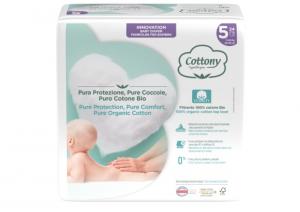
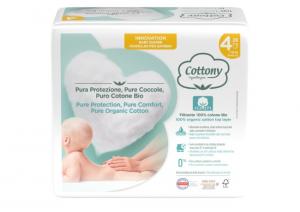
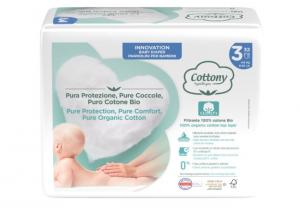
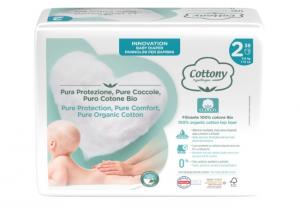
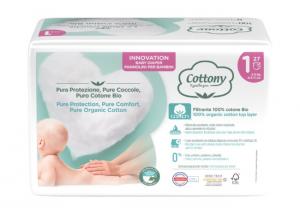
Diapers – if the hospital doesn’t provide them – should be in newborn size, but there’s no need to bring a large package. For sensitive skin, it’s worth choosing gentler options and minimizing fragrances. Similarly, wet wipes are not always necessary; some prefer using water and cloth squares or a washcloth, which is also gentler on the skin and the environment. In the context of a sustainable household, it makes sense to think about what is disposable and what can be replaced with a reusable option – without pressure for perfection. Even a small change, like cloth diapering squares instead of packs of wipes, quickly adds up in practice.
Cosmetics for the baby is a chapter in itself. In the hospital, often only the bare minimum is needed: possibly diaper rash cream if it appears, and something very gentle for washing (or just water). Perfumed products and “a whole baby cosmetic bag” are usually unnecessary. A newborn’s skin is sensitive, and fewer interventions are often more. If unsure, it’s good to follow pediatricians’ and neonatologists’ recommendations and choose gentle, unperfumed products.
What is and Isn’t Necessary to Take to the Hospital (and Why It’s Often Confused)
A big topic is electronics and gear “for every eventuality.” It’s useful to have a phone and charger (ideally with a longer cable), possibly headphones. A power bank is nice but isn’t necessary for everyone. Conversely, typically unnecessary are piles of clothing “just in case,” several books, room decorations, or a large cosmetic kit. The hospital stay is short and variable – sometimes you feel great and want to read, other times you sleep through every free minute.
Similarly, breastfeeding aids are often overestimated. A breast pump, sterilizer, or several types of bottles usually don’t have a place in the hospital bag. If a situation arises where they’re needed, hospitals usually have basic equipment and staff who can advise what makes sense. An exception might be individual recommendations from a lactation consultant or doctor, but that’s a specific scenario.
In the “probably not” category are also large amounts of disposable plastic items. If you need something disposable, then only where it makes hygienic sense and where a reusable option would be impractical. Otherwise, it’s nice to stick to simplicity and sustainability – for the body and the environment.
How to Pack the Hospital Bag Smartly: Two Smaller Bags and One Calm Evening
In practice, it proves helpful to divide the hospital bag into two parts: “delivery” and “ward.” The delivery part can be smaller, to be quickly at hand: documents, water, lip balm, hair tie, slippers, and possibly a delivery gown. The second part – items for the stay – can stay in the car or be brought later by the companion. This division is subtle but significantly reduces stress during admission and transfers.
A calm evening of preparation “for real” is also very beneficial. It’s not about perfectionism; rather, it’s about seeing if there’s enough space, knowing where everything is, and ensuring someone else can find things too. When the time comes to leave, there’s no need to think about where the pads or baby’s going-home outfit are – you’ll reach into the right compartment.
And if there should be just one list in the article, it’s one that helps quickly check the essentials:
Quick Checklist: What to Pack for the Hospital
- Documents and maternity record, insurance card, any test results
- Comfortable clothing for mom (breastfeeding nightgown, robe, underwear, socks), slippers + shower flip-flops
- Hygiene (toothbrush, toothpaste, deodorant without strong fragrance, towel according to hospital customs)
- Postpartum supplies (postpartum pads, mesh panties / comfortable underwear, nursing bra)
- For the baby a few pieces of clothing + going-home outfit, diapers (if the hospital doesn’t provide them), gentle care as needed
- Phone and charger (ideally longer cable), water bottle, lip balm
Finally, it’s good to remember that no list is universal. Some appreciate their own pillow; others declare it unnecessary. Some want their pajamas, while others are happy with the hospital gown because it eliminates laundry. The important thing is for the gear to support calm and comfort, not to become another project to “perfectly manage.”
Once the bag at home is closed and placed by the door, a strange silence often follows: the things are ready, and all that’s left is to wait. Perhaps then comes the most practical question of all: does the bag have what will truly help, not just what looks reassuring? When the answer is yes, that’s more than enough – and the rest will be adjusted according to reality, which always finds its own way.