

# What Takes Away the Seasonal Rhythm of Nature in the City

Just a few generations ago, human life was naturally intertwined with the course of the year. Spring brought sowing and the awakening of nature, summer brought intense work in the fields, autumn brought the harvest, and winter brought calm, rest, and preparation for a new cycle. This seasonal rhythm of nature was not merely a poetic metaphor – it was the fundamental organisational principle of human existence. Today, in the midst of cities full of artificial light, air-conditioned offices, and supermarkets offering strawberries in December, it seems as though this rhythm has ceased to exist. But it has not. We have simply stopped perceiving it.
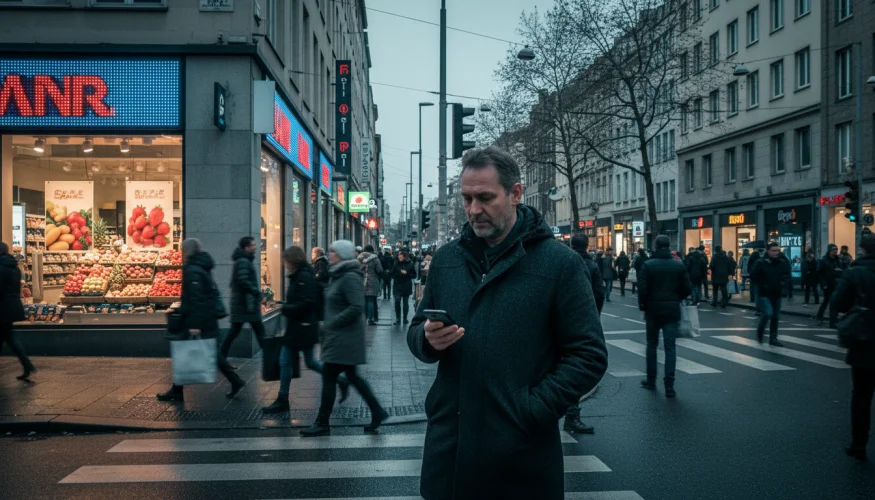
The modern city is a master at disguising time. Streets are lit throughout the night, shops are open seven days a week, year after year, and the temperature in our homes remains almost constant regardless of what is happening outside the window. The result is a peculiar form of temporal disorientation – a person knows it is December, but neither body nor mind feels it particularly. This disconnection from the natural cycle of the seasons has deeper consequences than might initially appear.
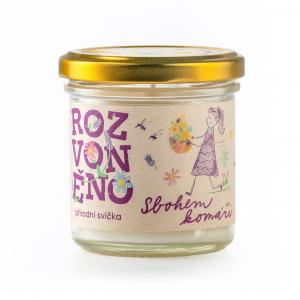
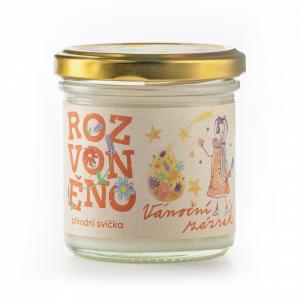
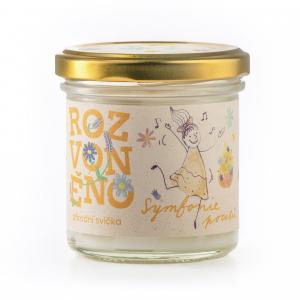
Try our natural products



How the city disconnects us from nature
The key factor is light. The human organism is governed by what are known as circadian rhythms – biological clocks that respond to the alternation of light and darkness. The length of the day and the intensity of natural light are the primary signals by which the body recognises what phase of the year it is in. Research published in journals such as Nature Reviews Neuroscience has repeatedly confirmed that disruption of these rhythms leads to sleep disorders, mood swings, weakened immunity, and general fatigue. In cities, this disruption occurs practically continuously – the bright screen of a phone in the evening, street lighting penetrating the bedroom, overwork that ignores the body's natural signals to rest.
But it is not only about light. The loss of contact with the seasonal rhythm of nature is also reflected in what we eat. Industrial agriculture and global logistics chains have ensured that fresh fruit and vegetables are available year-round regardless of local conditions. This is undoubtedly a great civilisational achievement, yet it also contributes to people losing their sense of what is "natural" for a given time of year. The body, however, continues to respond to seasonal cues – in winter it naturally craves more nourishing, heavier foods, and in spring lighter fare rich in bitter compounds that stimulate digestion after the winter slowdown. Ignoring these signals in favour of year-round uniformity does not go without consequences.
Add to this movement – or rather its absence. The traditional way of life was physically connected to the season: movement in summer was different from movement in winter. Today, most city dwellers spend roughly the same amount of time moving outdoors in January as in July, or avoid outdoor movement altogether, compensating with a gym or other indoor sport. Nature has ceased to be an environment we move through and has become a backdrop we observe from the window of a tram.
It is no coincidence that in this context, recent years have seen growing discussion of the phenomenon known as "nature deficit disorder" – a kind of nature deficiency described by American author Richard Louv in his influential book Last Child in the Woods. Louv argues that disconnection from nature – including its seasonal changes – has measurable negative effects on both mental and physical health, particularly in children. Adults are no exception.
Why the seasonal rhythm matters more than we think
One might ask: is it really necessary to consider whether a person perceives that it is winter or spring? After all, life seems to go on regardless of what is happening outside. Yet this apparent independence is illusory. The body has not ceased to be part of nature simply because it is surrounded by concrete and asphalt.
A good example is seasonal affective disorder, referred to in the professional literature by the abbreviation SAD. It is a form of depression that typically manifests in autumn and winter and is directly linked to the shortening of days and a lack of natural light. It is estimated to affect approximately five percent of the population in temperate zones, while a far greater number of people experience a milder variant – the winter blues, a drop in energy, increased appetite, and a greater need for sleep. This physical response is entirely natural and evolutionarily meaningful. It is not a problem in itself – the problem is that the modern lifestyle does not allow us to accept and weather it naturally. Instead of slowing down in winter, we are pushed towards constant productivity, regardless of the time of year.
As environmental psychologist Florence Williams writes in her book The Nature Fix: "Nature is not a luxury. It is a necessity." This sentence may sound simple, but its implications are profound. If we accept that contact with nature – including the perception of its changes over time – is a genuine need and not a sentimental whim, we must consider how to meet this need within the conditions of modern city life.
Connection with the seasonal rhythm also has a direct impact on ecological behaviour. People who perceive the seasons and naturally observe what nature offers at any given moment tend to buy seasonal and local produce, waste less, and live more naturally in accordance with the principles of sustainability. Seasonality and an ecological approach to life are not merely a fashionable trend – they are two sides of the same coin.
Consider a concrete example: a family living in Prague decides to buy vegetables and fruit throughout the year exclusively from local growers through a community vegetable box scheme. At first it seems like a compromise – in January the box contains only root vegetables, cabbage, and apples from cold storage. But it is precisely these "limitations" that gradually change the way they cook, think about food, and ultimately perceive the entire year. When the first spring lettuce and radishes appear in April, it is a small celebration. The rhythm of the year becomes tangible, lived. And that is exactly the shift we are talking about.
A similar experience can be had without a vegetable box – it is enough to start visiting farmers' markets or to notice what grows in parks and on the edges of the city. Spring nettles, summer elderberries, autumn rosehips – nature, even in the heart of a large city, sends seasonal signals to those willing to perceive them.
The path back to a natural rhythm
Returning to a seasonal experience of the year does not mean abandoning the achievements of modern life or leaving the city for the countryside. It means rather consciously creating space to perceive what nature offers at any given moment – and adapting at least part of one's life accordingly.
One of the most accessible ways is to work with natural light. Going outside in the morning, even just for a brief moment, and allowing the body to register actual morning light – this is something that significantly stabilises the circadian rhythm. In winter, when natural light is scarce, light therapy using special lamps that simulate sunlight can also help. It is recommended by doctors and researchers alike as an effective tool in treating seasonal depression.
Another step can be a conscious choice of seasonal foods. This need not involve a dogmatic rejection of everything out of season – it is enough to ask: what is growing now? What is it natural to eat now? In winter, that means pulses, root vegetables, fermented foods rich in probiotics, nuts, and seeds. In spring, lighter salads, herbs, and the first vegetables. In summer, fruit, tomatoes, and cucumbers. In autumn, mushrooms, squash, apples, and pears. This approach is not only healthier, but also more economical and more ecologically sound – local and seasonal foods have a significantly lower carbon footprint than goods imported from the other side of the world.
Movement in nature also plays a major role. Regular walks in a park, forest, or the surroundings of a city – in every season, in all weathers – are among the most effective ways of maintaining contact with the seasonal rhythm. The Japanese concept of shinrin-yoku, or "forest bathing", is well documented in this regard: research shows that even a brief stay in nature lowers levels of stress hormones, improves mood, and strengthens the immune system. More on these studies can be found, for example, on the website of the Japanese research centre for forest therapy.
Finally, seasonal experience of the year can also encompass simple rituals and customs that give the year structure and rhythm. Celebrating seasonal festivals – not as consumer occasions, but as genuine transitions of the year – can be a surprisingly powerful anchor. The spring equinox, the summer solstice, the autumn harvest, the silence of winter. These natural milestones existed long before people began to mark them, and experiencing them helps both body and mind to orient themselves in time.
The city has not permanently severed us from nature. Rather, it has surrounded us with so many stimuli, comforts, and possibilities that we have stopped listening to an older, slower voice that says: now is the time to pause, now is the time to grow, now is the time to harvest, now is the time to rest. Listening to this voice again is perhaps one of the simplest and yet most profound steps that a modern person can take towards a healthier and more meaningful life.