

Scars heal for years and caring for them pays off
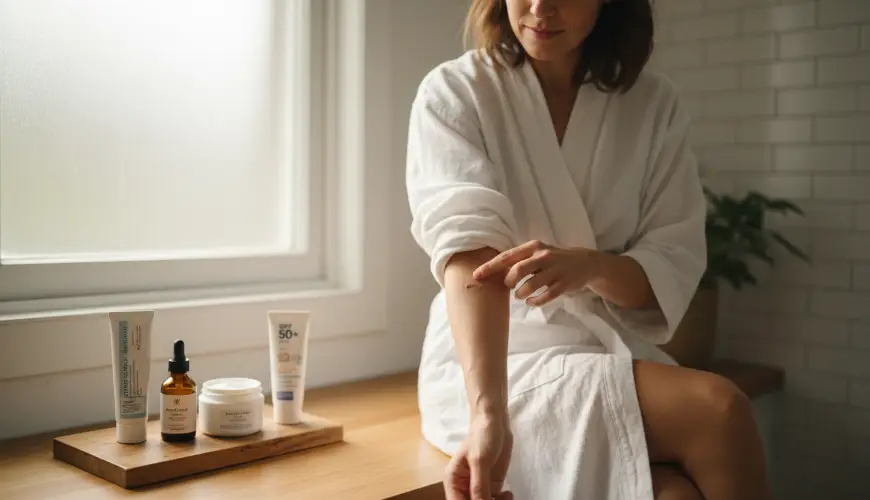
Each of us has one. Somewhere on the knee from a childhood fall off a bike, on the stomach after surgery, on the face after an accident, or on the shoulder after vaccination. A scar is as natural a part of the human body as it is a part of the human story – and yet most people stop caring for it before it has fully healed. That is precisely the biggest mistake we make when it comes to skin care.
A scar is not merely an aesthetic matter. It is living tissue that undergoes a complex biological process and can affect a person's mobility, sensitivity, and psychological wellbeing. Yet scar care is one of the most underestimated areas of body care altogether. We start applying cream, keep it up for a few weeks, and then – life returns to normal and the scar is left to its own devices.
Try our natural products

How a scar actually forms and why it takes so long
To understand why long-term scar care is so important, it is first necessary to understand what actually happens in the skin after an injury. Healing takes place in four main phases: haemostasis, inflammation, proliferation, and remodelling. It is this last phase – remodelling – that is crucial for the final appearance and quality of the scar, and at the same time it is the longest of all. It can last up to two years, sometimes even longer.
During remodelling, the body rebuilds the collagen fibres that hastily filled the injured area in the previous phase. The original collagen is chaotically arranged, which is why the scar looks rigid, raised, or differently coloured. The fibres gradually reorganise, but the outcome of this process depends, among other things, on how we care for the scar. As noted in a dermatological overview from DermNet, a scar never fully regains the original strength of the skin – approximately 80% of its original resilience is the maximum that can be achieved. This makes it all the more important to support this process with proper care.
And this is precisely where the problem lies. Most people perceive a scar as "healed" the moment the wound closes and stops hurting. In reality, that is only the beginning of the most important part. A scar that receives no care during the first two years can become stiffer, more raised, sensitive to the touch, or less mobile – and all of this is largely preventable.
Take, for example, a thirty-year-old woman after a caesarean section. The wound is closed, the postnatal period is over, and the baby demands all her attention. Scar care logically falls by the wayside. A year later, she finds that the scar is stiff, pulls when she moves, and causes uncomfortable sensations. And yet, all it would have taken was a few minutes a day during the first few months – and the result would have been dramatically different.
What is most commonly overlooked in scar care
The foundation of scar care is hydration and massage. Most people know this by now. But practice is more complex than theory, and in the bustle of everyday life, the details that determine the outcome get lost.
Scar massage is one of the most effective tools at our disposal – and at the same time one of the least consistently applied. Regular massage helps break down rigid collagen structures, improves blood circulation in the tissue, and promotes its elasticity. Dermatologists recommend beginning massage once the scar is fully closed – usually four to six weeks after the injury – and performing it twice daily for at least six months. The movements should be circular or linear across the scar, with gentle pressure. Particular attention should be paid to scars following surgery, where adhesions may develop – tissue bonds that restrict movement and can cause pain.
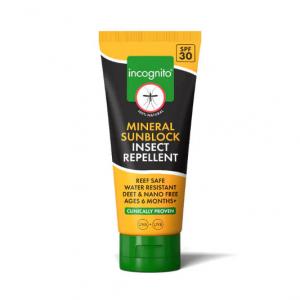
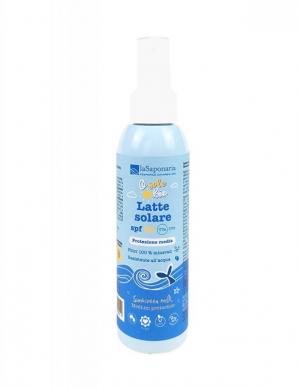
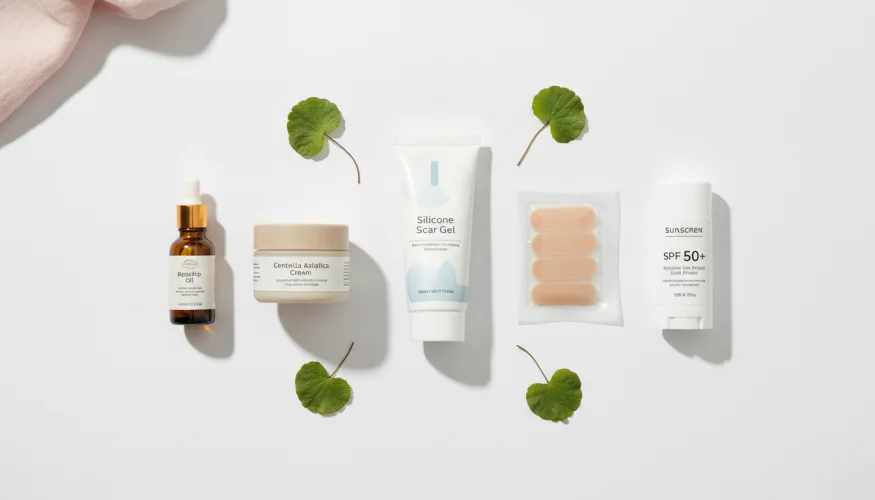
Another overlooked factor is protecting the scar from the sun. A young scar contains no melanin – the pigment that protects the skin from UV radiation. When exposed to sunlight, it can therefore easily turn red or darken, and this pigment shift can be permanent. Yet many people go to the beach in summer without giving their scar a second thought. Dermatologists recommend applying sunscreen with a high SPF (50+) to scars throughout the entire first year – and ideally beyond. Alternatively, the scar can be physically covered.
The third factor that is often forgotten is choosing the right product. The market is flooded with creams, gels, and scar patches, but not all of them are equally effective. The best scientifically supported approach is silicone therapy – whether in the form of gel patches or silicone gel in a tube. According to a review study published in the journal Advances in Wound Care, silicone products are among the most effective available methods for the prevention and treatment of pathological scars. Silicone forms an occlusive layer on the surface of the scar, which retains moisture and regulates collagen production. It is also safe, does not cause allergic reactions, and can be used long-term.
Alongside silicone, products containing hyaluronic acid, centella asiatica, or onion extract (Allium cepa) also have their place. Centella asiatica in particular – a herb traditionally used in Asia – is attracting growing attention from the scientific community for its influence on collagen synthesis and tissue healing. Products containing these ingredients are a gentler option for sensitive skin and can be incorporated into a daily routine.
Nutrition and internal hydration are equally important. The body requires vitamin C, zinc, amino acids, and sufficient water intake to produce collagen properly. A diet rich in vegetables, legumes, nuts, and quality proteins directly supports the quality of healing. Conversely, smoking and excessive alcohol consumption slow down healing and can lead to poorer outcomes – as confirmed by clinical data from sources such as the Mayo Clinic.
The psychological dimension of scars is another topic that rarely receives enough attention. A scar in a visible location can significantly affect a person's self-confidence and relationship with their own body. "Scars are maps of the stories we carry on our skin," some psychologists say – and this metaphor captures precisely the dual nature of scars: they are part of our identity, but they can also be a source of anxiety. Caring for a scar is therefore not merely a cosmetic matter. It is also a way of coming to terms with a lived experience and reconnecting with one's own body with kindness.
A special category is formed by keloid and hypertrophic scars, which extend beyond the boundaries of the original injury or are significantly raised and rigid. These scars have a genetic predisposition and occur more frequently in people with darker skin tones. Their treatment is more complex and requires collaboration with a dermatologist or plastic surgeon – it may include corticosteroid injections, laser therapy, or compression therapy. If a scar shows no improvement after three to four months of standard care, seeking professional help is entirely appropriate.
Acne scars, which trouble a great many people, form a chapter of their own. These scars have a different structure – they are often so-called atrophic scars, which are sunken below the surface of the skin. Their care involves gentle exfoliation, products containing retinol or niacinamide, and in more severe cases dermatological procedures such as microneedling or chemical peels. Here too, the earlier care is started, the better the results – and the less invasive any future intervention will need to be.
In terms of a daily routine, the ideal approach involves several steps:
- Hydrating the scar with a quality cream or oil (for example, one containing rosehip oil, which is rich in vitamin C and essential fatty acids) once or twice a day
- Massage for two to three minutes with each application of the product
- UV protection – SPF 50+ sunscreen or physical covering
- Silicone therapy – gel or patch, ideally for six to twelve months
- Monitoring changes – if the scar changes colour, grows, or causes pain, it is time to see a doctor
It is important to have realistic expectations. No product will completely remove a scar. The goal of care is to support the natural healing process as much as possible so that the scar is as inconspicuous, as supple, and as comfortable as possible – both physically and aesthetically. And that is a goal worth five minutes of attention every day.
The modern market offers a wide range of products that make scar care easier and more pleasant – from natural oils and silicone gels to multifunctional creams combining several active ingredients. When choosing, it pays to read the ingredient list, avoid unnecessary fragrances and preservatives that can irritate sensitive scar tissue, and opt for products whose efficacy is backed by scientific studies or dermatological recommendations.
Scar care is a marathon, not a sprint. And precisely because results are not visible from one day to the next, so many people give up. Yet it is precisely perseverance – even during periods when nothing seems to be changing – that determines the final outcome. A scar that receives attention for months and years looks entirely different in the long run from one that was forgotten as soon as the wound closed. And that is a difference worth making.