

Get rid of tea and coffee stains on dishes

Anyone who drinks tea or coffee regularly knows that unpleasant brown tinge inside their favourite mug all too well. It gradually builds up, darkens, and over time looks as though it were part of the material itself. Yet this is a completely natural phenomenon with its own chemical logic – and fortunately, elegant solutions that require neither furious scrubbing nor aggressive cleaning products.
Tannins, pigments and natural dyes found in tea and coffee have a strong tendency to adhere to porous surfaces such as ceramics, porcelain or enamel. The longer a drink sits in a vessel, the deeper the layer of residue that forms. Add hard water rich in calcium and magnesium to the mix, and the result is an almost impenetrable combination of organic deposits and mineral build-up. This is precisely why a regular sponge with a little washing-up liquid isn't enough – and yet many people instinctively reach for a steel wool pad, which damages the surface far more than it helps.
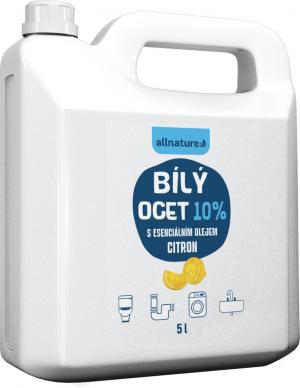
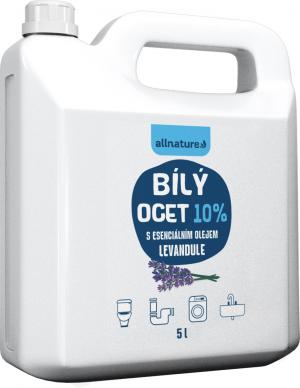
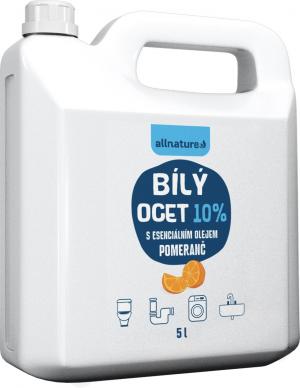
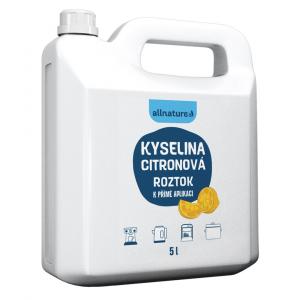
Try our natural products


Why scrubbing is the wrong approach
The seemingly logical reaction – grabbing a harder brush and scrubbing the problem away – is in fact counterproductive. Coarse abrasive materials cause fine microscopic scratches on the glaze that are invisible to the naked eye, but are ideal for the accumulation of further dirt. The surface becomes increasingly porous, and every subsequent layer of residue clings even more stubbornly. A vicious cycle develops that is difficult to break out of. Experts in cookware care and premium ceramics manufacturers have therefore long recommended gentler approaches – and as it turns out, these work far better.
The good news is that nature itself offers substances capable of dissolving the residue without damaging the surface in any way. Acids, enzymes and mildly alkaline compounds can break down organic deposits at a molecular level, so they can simply be rinsed away. No physical force is needed – just a little patience and the right product.
One of the most reliable helpers is bicarbonate of soda combined with a little warm water. Simply prepare a thick paste, apply it to the affected area and leave it to work for ten to fifteen minutes. Bicarbonate of soda is mildly alkaline, which disrupts the bonds between organic pigments and the surface of the crockery. After the time has elapsed, simply wipe the crockery with a soft sponge and rinse. The results are often surprisingly effective even on older deposits that have resisted regular washing for months.
Equally effective is white vinegar, which works on the opposite principle – as an acid. Vinegar is particularly useful when the residue is combined with limescale, as acetic acid dissolves both organic dirt and mineral deposits. Simply fill the mug or kettle with a solution of water and vinegar in roughly a one-to-one ratio, leave it to soak for an hour, then rinse. For glass and ceramics without metal elements, this method is completely safe.

Home methods that actually work
Lemon juice or citric acid is another natural option that also leaves a fresh scent. Citric acid is available in every supermarket and can be easily measured out in powder form. A spoonful of powder dissolved in a mug of hot water and left to work overnight can remove even the most stubborn deposits. This method also works brilliantly for kettles and flasks, which are otherwise difficult to reach inside.
An interesting and somewhat surprising helper is denture cleaning tablets. Their composition – a combination of citric acid, sodium carbonate and enzymatic cleaning agents – is perfectly suited to dissolving organic residue. A tablet dropped into a mug of warm water creates a foaming reaction that loosens even long-standing deposits within twenty minutes. This method is particularly popular in households where strong black tea or espresso is prepared regularly.
For those who want to reach for an eco-friendly commercial product, there are an increasing number of phosphate-free and synthetic fragrance-free products on the market designed precisely for this purpose. Enzymatic cleaning agents, for example, break down organic matter through biological processes without burdening the environment. Ferwer's range includes exactly such alternatives, which are gentle both on crockery and on nature.
One thing that many people forget is water temperature. Hot water significantly accelerates the action of all the substances mentioned above. At around 60 degrees Celsius, organic deposits begin to soften and loosen, meaning that even a shorter soaking time produces better results. Cold water, on the other hand, practically nullifies the effect – which is why a quick morning rinse under the tap is never enough.
Incidentally, owners of teapots or drip coffee makers face a similar problem. Inside these appliances, residue builds up in hard-to-reach places and can eventually affect the taste of the drink. British consumer magazine Which? has repeatedly tested various methods of cleaning kettles and found that regular descaling with citric acid extends the life of the appliance and preserves a cleaner taste in drinks.
A real-life example: imagine you receive a beautiful ceramic mug as a gift from a local maker. After months of drinking your morning coffee from it, the inside is coated in a dark layer that spoils the impression of an otherwise lovely piece. The owner tries a steel wool pad – the result is visible scratches on the glaze. Then someone suggests bicarbonate of soda: a paste, twenty minutes of waiting, a soft sponge. The mug looks like new, the glaze is intact. This isn't an exceptional situation – it's an experience shared by thousands of people.
How far removed is this problem from the chemistry of a school textbook? Not very far at all. Tannins are polymeric compounds that bind to proteins and minerals through hydrogen bonds. Once these bonds are disrupted – by an acid, an alkali or enzymes – the deposit is released. Physical force cannot replace this chemistry; it can only complement it once the residue has already been chemically loosened.
It is also worth mentioning prevention, which is always better than dealing with the consequences. If a mug is rinsed with hot water immediately after each use, tannins don't have time to anchor themselves to the surface. The key is not to leave tea or coffee sitting in the crockery any longer than necessary – the longer the drink remains in contact with the surface, the stronger the deposit that forms. This simple habit can dramatically reduce how often you need to reach for cleaning products.
As British chemist and science communicator Ben Goldacre once observed: "People tend to look for complex solutions where understanding basic principles would suffice." In the case of tea and coffee stains, this is literally true. The principle is simple, the solutions are accessible and inexpensive – and yet many households still reach for aggressive products or unnecessarily ruin their favourite crockery.
When it comes to choosing a specific product, it is worth checking the ingredients. Products containing chlorine will remove residue quickly, but cause long-term damage to the glaze and are unsuitable for environmentally conscious households. Phosphate-based products, meanwhile, place a burden on aquatic ecosystems. Alternatives based on citric acid, bicarbonate of soda or enzymatic agents are equally effective – they simply require a little more patience.
Finally, it is worth remembering that different materials react differently. Glass tolerates both acids and alkalis without issue. Ceramics with an intact glaze are also resilient, but cracked or porous glaze can absorb acids. Enamelled cookware is sensitive to strongly acidic products when left to act for extended periods. Stainless steel tolerates most gentle methods without difficulty. Knowing the material your crockery is made from is therefore the first step towards choosing the right cleaning method.
The world of eco-friendly homecare offers more options today than ever before. Whether it's natural cleaning products free from unnecessary chemicals, eco-friendly sponges or concentrated products with minimal packaging, choosing a gentle approach need not mean compromising on effectiveness. Quite the opposite – as is doubly true in the case of tea and coffee deposits, nature's chemistry is often more powerful than the chemistry of the laboratory.