
# Try Grandma's Recipes in a Lighter Version ## Why lighten up classic recipes? Traditional recipe
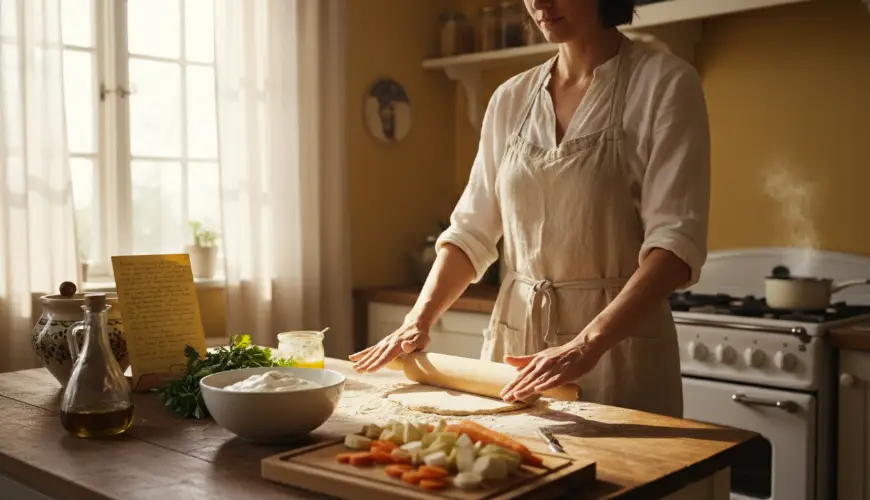
The scent of svíčková wafting from the kitchen, golden dumplings fluffy as clouds, plum cake dusted with powdered sugar – these are the images most of us associate with Sunday visits to grandmother's house. Traditional Czech cuisine is an inseparable part of our cultural identity and family memory. But the world is changing, our knowledge of nutrition is changing, and more and more people are looking for ways to preserve their beloved grandmother's recipes while adapting them to a healthier lifestyle. This is not a betrayal of tradition – it is its natural evolution.
A lighter version of classic dishes does not mean you will end up with a plate of bland, tasteless mush. On the contrary – modern approaches to cooking demonstrate that with a little creativity and knowledge, nearly identical results can be achieved, while making food lighter, more nutritious, and easier to digest. The key is understanding what plays a crucial role in the original recipe's flavour and what can be substituted without significant loss.
Try our natural products





Why does it make sense to modify traditional recipes?
Grandmothers cooked for generations who did hard physical labour. Farmers, factory workers, craftsmen – they all needed hearty, calorie-rich dishes that would fuel them through the entire day. Today's average person spends much of the day sitting at a computer, in a car, or on a sofa. Caloric needs have dropped dramatically, yet our taste preferences have remained the same. The result is that traditional Czech cuisine, once perfectly balanced for the needs of its time, now contributes to excessive intake of saturated fats, refined carbohydrates, and salt.
According to data from the World Health Organization, saturated fat intake should account for less than 10% of total energy intake. Traditional Czech svíčková or pork-dumplings-sauerkraut easily exceeds this threshold. But that does not mean we should give them up – it means it is time for a creative approach in the kitchen.
Take thirty-year-old Klára from Brno, who decided to eat more healthily after her doctor flagged elevated cholesterol levels. She loved her grandmother's recipes and did not want to give them up. She began experimenting gradually – replacing cream with plain yogurt, making dumplings from wholegrain flour, and using quality olive oil instead of lard. After six months, she had not only improved her blood test results but discovered that the food tasted just as good, if not better. "At first I was afraid it wouldn't be the same," says Klára, "but then I realised that what grandmother always cared about was the love put into cooking – and that I kept."
Practical tips for lightening the classics without losing their soul
Practical modifications to traditional recipes require no specialist education or expensive ingredients. It is enough to know a few basic principles that can be applied across the full range of Czech dishes.
One of the most common adjustments is replacing full-fat cream with lower-fat sour cream, plain yogurt, or Greek yogurt. In sauces such as svíčková or tomato sauce, this substitution works surprisingly well – yogurt provides the necessary creaminess and a gentle acidity while reducing the dish's caloric value and saturated fat content. The important thing is to add the yogurt only at the end of cooking and not to heat it too vigorously, so it does not curdle.
Another popular trick involves working with flour. Classic sauces are thickened with a roux made from butter and white flour – excellent for flavour, less ideal for the glycaemic index. Alternatives include thickening with blended vegetables that are already part of the sauce, or using wholegrain flour, which adds fibre and minerals. Dumplings made from wholegrain flour have a slightly different texture, but one quickly gets used to it, and their nutritional profile is significantly better.
Meat is another major topic. Traditional Czech cuisine favoured fattier cuts of pork or beef because they were cheaper and more filling. Today it is perfectly easy to reach for leaner beef, skinless chicken thighs, or even legumes as a partial or complete meat substitute. Lentil goulash or bean svíčková may sound provocative, but with the right seasoning they will surprise even the greatest sceptics.
Vegetables are often present in traditional Czech recipes only as a base for stock or sauce, after which they are discarded. The modern approach, by contrast, makes full use of them – blended carrot, celeriac, or parsley root naturally thickens a sauce, adds sweetness, and contributes nutrients without the need for extra flour or fat. This cooking method is championed by British chef Jamie Oliver, among others, who promotes it as an easy route to more nutritious meals for the whole family.
Sugar in desserts is a chapter in its own right. Grandmother's cakes, buns, and strudels were just sweet enough for the tastes of the time, but today we know that excessive sugar intake contributes to a whole range of lifestyle diseases. Reducing the amount of sugar in a recipe by a quarter to a third usually goes unnoticed. Alternatives include natural sweeteners such as maple syrup, coconut sugar, or dates blended into a paste – these are not calorie-free, but they have a lower glycaemic index and contain trace minerals. Another excellent option is to add more fruit or nuts to the dough, which naturally reduces the need for added sugar.
Salt is another silent culprit in traditional recipes. Grandmothers never held back on salt – and neither did their recipes. Yet reducing sodium intake has a demonstrable effect on blood pressure and heart health. The good news is that in cooking, salt can largely be replaced with herbs, spices, lemon juice, or quality vinegar, all of which add complexity and depth of flavour without the negative health effects.
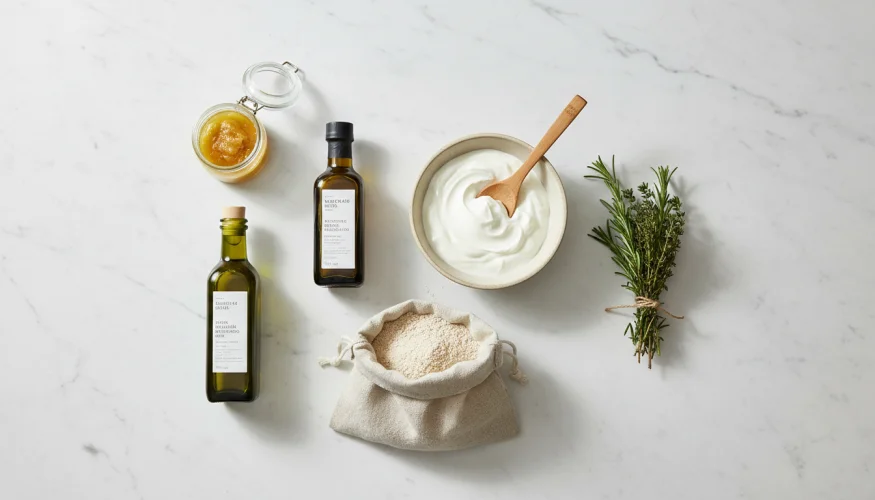
Fats are perhaps the most sensitive topic when modifying traditional recipes. Lard, butter, and overheated oils are the foundation of many classic dishes, and removing them entirely would mean losing their characteristic flavour. A more sensible approach is to reduce their quantity and replace some of them with higher-quality alternatives – extra virgin olive oil, avocado oil, or ghee are options that offer a better fatty acid profile while preserving a rich flavour. Ghee, clarified butter, also has a high smoke point and handles heat treatment well.
Lighter cooking as a way of life, not a diet
It is important to recognise that lightening traditional recipes is not about becoming vegan overnight or throwing all the butter out of the fridge. It is about gradual, conscious changes that over time become a natural part of the way one cooks. Research consistently shows that radical dietary changes have low long-term success rates – people tend to revert to old habits after a while. Small, sustainable steps, by contrast, lead to lasting results.
Equally important is thinking about the quality of ingredients. Grandmothers may have cooked with fattier ingredients, but those came from local sources – meat from the neighbouring farm, vegetables from the garden, eggs from their own hens. Today's industrially processed foods contain a whole range of additives, preservatives, and lower-quality fats. Investing in organic meat, farm eggs, or locally grown vegetables may have a greater impact on health than modifying the recipe itself. This very approach is promoted by products available in online shops focused on healthy living, where a wide range of quality ingredients for both modern and traditional cooking can be found.
An interesting phenomenon is also the return to fermented foods, which were entirely commonplace in traditional Czech cuisine. Sauerkraut, fermented cucumbers, and kefir are natural probiotics that support the health of the gut microbiome. Research from Stanford University published in 2021 demonstrated that regular consumption of fermented foods increases gut microbiome diversity and reduces inflammation in the body. Grandmothers did not know this scientifically, but they intuitively knew that sauerkraut simply belongs with pork – and they were right.
Heat treatment techniques offer another area for improvement. Traditional deep-frying in large amounts of fat can in many cases be replaced by oven-baking, pressure cooking, or grilling. A schnitzel prepared in the oven on a rack with a little quality oil comes close to the fried version in both appearance and taste, yet contains significantly less fat. Similarly, svíčková prepared slowly in a slow cooker without prior browning in lard will be juicy and aromatic but considerably lighter.
Wholegrain flours, alternative grains such as spelt, buckwheat, or oats, and legume flours open up entirely new possibilities for traditional baking. Plum dumplings made from spelt flour, buckwheat pancakes with cottage cheese, or oat buns with apple are recipes that might have seemed unusual to grandmother, but she would likely have appreciated them on tasting. Tradition, after all, was never about following a recipe to the letter – it was about sharing, caring, and the joy of food.
It is precisely this philosophy that should underpin every effort to lighten traditional recipes. The point is not to prove that modern nutrition is superior to grandmother's cooking. The point is to take the best of both worlds – a love of food and respect for tradition on one side, knowledge of nutrition and care for one's own body on the other. The result can be a cuisine that is simultaneously nostalgic and modern, nutritious and delicious, healthy and joyful. And that, after all, is what it is all about.