

# How to Deal with Swollen Feet in the Third Trimester Swelling of the feet (edema) in the third tr

The last months of pregnancy are a time of mixed feelings for many women. On one hand, there is growing excitement about the arrival of a new life; on the other hand, there is physical fatigue, a feeling of heaviness, and a whole range of minor and more significant physical complaints. Among the most common are swollen legs, which affect an estimated 50 to 80% of pregnant women, with symptoms being most intense in the third trimester. This is generally nothing dangerous, but that is certainly no reason to ignore the swelling – and even less reason to suffer needlessly.
Swelling during pregnancy has a clear physiological logic. During pregnancy, a woman's body produces approximately 50% more blood and bodily fluids than usual in order to supply the developing foetus. This excess fluid accumulates in the tissues and causes the typical feeling of tight, swollen skin – most commonly around the ankles, feet and calves. The growing uterus puts pressure on the pelvic veins and the inferior vena cava, slowing the return of blood from the lower limbs back to the heart. The result is precisely that unpleasant feeling of heavy, tired and swollen legs that every pregnant woman knows at the end of a long day.
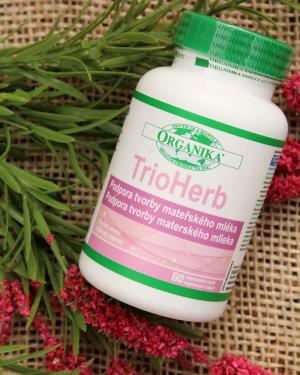
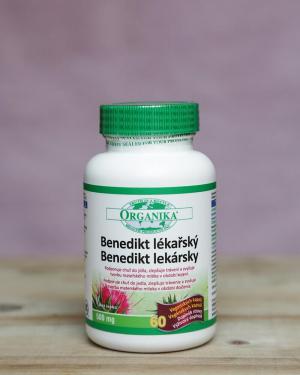
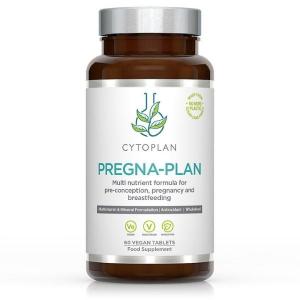
Try our natural products



What makes swelling worse and how to prevent it
There are a number of factors that promote or intensify the development of swelling. Summer heat is one of the most common – in high temperatures, blood vessels dilate and fluid escapes more easily into the surrounding tissues. A similar effect is caused by prolonged standing or sitting in one position, which prevents the natural movement of blood through the venous system. Excessive salt consumption retains water in the body, and if a woman spends most of the day without moving, circulation slows down further.
A practical solution recommended by both obstetricians and physiotherapists specialising in prenatal care is regular, gentle exercise. Short walks, swimming or prenatal yoga stimulate venous return and help prevent fluid from pooling in the lower limbs. The World Health Organization recommends that pregnant women get at least 150 minutes of moderately intense physical activity per week, emphasising that exercise is safe and beneficial for the vast majority of pregnant women without complications.
Another tried-and-tested tip is resting position. If a woman lies on her left side, she relieves the inferior vena cava of pressure from the uterus, making it easier for blood to drain from the legs. Propping the feet up on a pillow above the level of the heart allows gravity to work in the body's favour rather than against it. Particularly in the evening, after a full day of activity, just twenty minutes in such a position can significantly reduce the feeling of tension and heaviness in the legs.
Hydration also plays an important role. It may seem paradoxical to drink more water when the problem is an excess of fluid in the body, but the opposite is true. Adequate fluid intake – ideally plain water or herbal teas – helps the kidneys to excrete excess salts and waste products more efficiently, thereby reducing the body's tendency to retain water in the tissues.
Compression stockings or knee-highs are another tool worth mentioning. Their mechanical pressure on the tissues supports venous return and reduces the accumulation of fluid in the lower legs. The key is to put them on in the morning, before getting out of bed, when swelling is at its lowest. The right level of compression – ideally chosen in consultation with a doctor or pharmacist – can bring genuine relief to many women.
Natural support for tired legs
Alongside exercise and positioning, there are a range of natural products and approaches that can reduce swelling and provide well-deserved relief for tired legs. Cold foot baths with added sea salt or a few drops of peppermint essential oil (always diluted in a carrier oil) stimulate circulation and provide an immediate feeling of refreshment. Alternating warm and cold water acts as a natural pump for the blood vessels.
Foot massages are another popular way to find relief. Gentle, circular movements directed from the feet towards the calves – in the direction of venous return – help to mechanically push excess fluid out of the tissues. Body oils or creams containing horse chestnut, which is traditionally used to support vascular health, or arnica, which relieves the feeling of heavy legs, can be used to good effect during massage. When choosing any products during pregnancy, however, it is always sensible to consult a doctor or pharmacist about the ingredients, as not every herb or essential oil is suitable during pregnancy.
Dietary adjustments can also play a role. Reducing salt has already been mentioned, but it is equally important to include foods rich in potassium in the diet, as potassium naturally regulates the body's fluid balance. Bananas, sweet potatoes, avocado and leafy greens are excellent sources. Conversely, highly processed foods, cured meats and fast food contain hidden amounts of sodium that significantly promote water retention.

An interesting ally can also be stinging nettle, which has naturally mild diuretic properties and is also rich in minerals. Nettle tea is among the herbs traditionally recommended during pregnancy, though always in reasonable quantities and in agreement with a midwife or doctor. Dandelion is similarly recommended, with its leaves being consumable in salads or as a tea.
Consider a specific situation: Lenka, a thirty-year-old teacher from Brno, struggled with significant ankle swelling during her third trimester, which noticeably worsened every evening after work. After consulting her midwife, she incorporated a twenty-minute morning walk into her routine, started wearing compression knee-highs and gave herself a cold foot bath every evening. The result? "After two weeks, I felt significant relief and the swelling had reduced to a manageable level," she described her experience. Her story is not exceptional – a combination of simple measures really does work.
When swelling is a warning sign
Although leg swelling during pregnancy is in most cases a completely normal physiological phenomenon, there are situations where it is necessary to be alert and seek medical attention without delay. Sudden or significant swelling that appears quickly and affects not only the legs but also the hands, face or area around the eyes may be a symptom of preeclampsia – a serious pregnancy condition associated with high blood pressure and organ damage.
Preeclampsia affects approximately 2 to 8% of pregnant women and is one of the leading causes of maternal and perinatal mortality. Experts from the American College of Obstetricians and Gynecologists warn that warning signs include not only swelling, but also headaches that do not respond to common analgesics, visual disturbances, pain under the ribs, or sudden weight gain caused by water retention. If any of these symptoms appear, it is essential to contact a doctor or maternity unit immediately.
Another condition to bear in mind is deep vein thrombosis. This is a blood clot in a vein, most commonly in the calf, which presents as a painful, warm and significantly swollen area – typically on one side only. Pregnancy generally increases the risk of thrombosis, so any asymmetric pain or redness in the calf should not be overlooked.
A useful practical guide is a simple test: if the swelling has substantially subsided overnight, when the legs were in a horizontal position, it is generally a physiological swelling without any more serious underlying cause. If, on the other hand, the swelling persists even after rest or worsens, a consultation with a doctor is appropriate.
An important part of self-care in the third trimester is also choosing suitable footwear. Tight shoes or high heels are unsuitable during this period not only because of swelling, but also due to the changed centre of gravity and greater susceptibility to falls. Comfortable, breathable footwear with sufficient width and a flat sole is a genuine investment in both comfort and safety during this time.
The third trimester is a demanding but also a beautiful time. The body is doing an enormous amount of work, and swollen legs are just one of the many ways it shows everything it is capable of. With a little care, exercise, proper rest and natural support, this period can be navigated in far greater comfort – and with legs that do not hurt quite so much.