
# Enamel or Acrylic Bathtub and How to Clean It Properly Choosing the right bathtub is an important
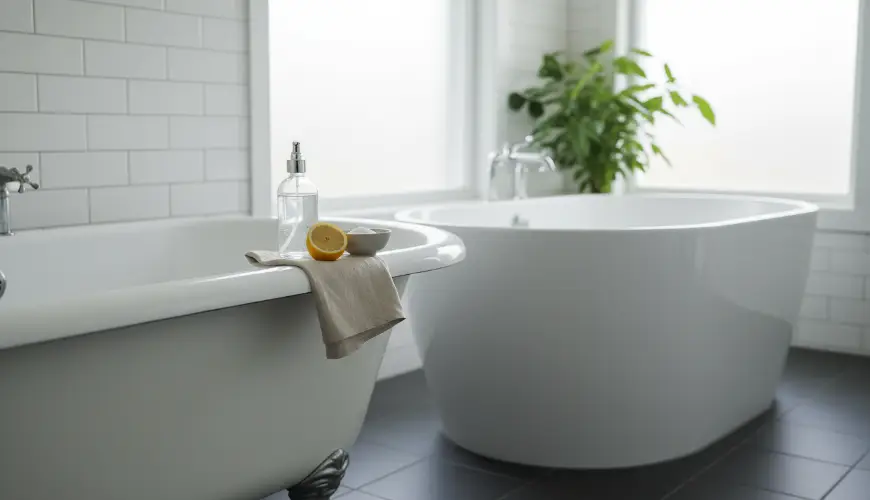
The bathroom is a place where every day begins and ends. The bathtub plays a central role in it – whether it's a morning shower or an evening relaxing bath. But not every bathtub is the same, and this applies not only to design but also to the material it's made from. Acrylic and enamel bathtubs are by far the most widespread options on the market today, and each has its own specific characteristics that determine how long it will last and how to properly care for it. Using the wrong cleaning products can cause damage that is difficult – or impossible – to repair.
Many households face this question when they move into a new apartment, purchase an older property, or simply discover that their trusted cleaning product has left strange marks on the tub. That's exactly the moment when it's good to know what your bathtub is actually made of and what you can safely use to clean it.
Try our natural products


How to tell whether you have an acrylic or enamel bathtub
Before you start cleaning, it is absolutely essential to identify the material you're dealing with. An enamel bathtub is made of cast iron or sheet steel, with its surface covered by a thin layer of glass coating – enamel. This material has been in use for decades and remains a common fixture in many older homes and apartments. An enamel bathtub is significantly heavier, cools down more slowly, and produces a characteristic metallic sound when tapped. If you hold a magnet to it, it will stick – this is one of the simplest home tests.
An acrylic bathtub, on the other hand, is a modern development. It is manufactured from a sheet of acrylic plastic, shaped into the desired form and reinforced with fibreglass or another composite material. It is considerably lighter, produces a hollow sound when tapped, and a magnet will not stick to it. The surface tends to be smoother and warmer to the touch, because acrylic is a poor conductor of heat – water in an acrylic bathtub therefore stays warm longer, which is particularly appreciated by lovers of long baths.
It is precisely this different physical and chemical nature of the two materials that determines what products and methods should be used to clean them. What works brilliantly on enamel can irreparably damage acrylic – and vice versa.
How to clean an enamel bathtub and what to watch out for
Enamel is a hard and relatively durable surface, but it is not invulnerable. Its greatest enemies are mechanical damage – scratches and chips caused by the impact of a heavy object or by using coarse abrasive cleaning products. Once the enamel layer is compromised, the steel or cast iron base begins to corrode and the bathtub deteriorates rapidly. Rust stains around the edge of an enamel bathtub are a classic sign that the surface has been damaged somewhere.
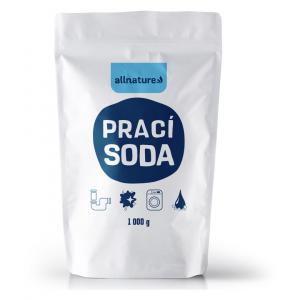
For routine cleaning of an enamel bathtub, mildly alkaline or neutral cleaning products are suitable. A classic washing-up liquid diluted in water works well, as do special cleaning sprays formulated for enamel, or the tried-and-tested combination of baking soda with a little water. This paste is applied to the surface, left to act for a few minutes, and then gently wiped off with a soft cloth or sponge. Steel wool, abrasive powders, and strongly acidic preparations should never be used – they may remove dirt, but at the same time they will irreversibly scratch or etch the surface.
For stubborn limescale deposits – a real plague in hard water areas – a diluted solution of citric acid or a specialist descaler can be used. However, it is essential to ensure that the product does not contain strong mineral acids such as hydrochloric acid, which is harmful to enamel. A natural alternative is white vinegar – diluted in equal parts with water, it works as a gentle descaler without damaging the enamel surface. Eco-friendly cleaning products based on citric or acetic acid are, moreover, becoming increasingly popular, partly because they do not burden wastewater with aggressive chemicals.
It is worth occasionally treating an enamel bathtub with a specialist polish for enamel or vitreous surfaces, which protects the surface against the build-up of dirt and restores its original shine. This care can extend the life of the bathtub by many years.
Acrylic bathtub: gentleness comes first
Acrylic is a material that requires a significantly more delicate approach. Its surface may look smooth and firm, but it is in fact sensitive to a wide range of commonly available chemicals as well as mechanical stress. Scratches on an acrylic bathtub appear more easily than on enamel and are also more visible, because the matt surface contrasts with the shiny surroundings. The good news, however, is that shallow scratches on an acrylic bathtub can – unlike those on enamel – be polished out with a specialist paste to restore the surface.
For everyday cleaning of an acrylic bathtub, one basic rule applies: the gentlest possible products and the softest possible cloths. Suitable options include specialist cleaning products labelled as safe for acrylic or plastic, mild detergents, liquid soap, or washing-up liquid. These are applied to a damp sponge or soft cloth, gently worked into the surface, and the bathtub is then rinsed with clean water.
What must be avoided at all costs are acetone, thinners, strong degreasers, chlorine-based products, and – perhaps surprisingly – many common bathroom cleaning sprays, which are formulated for enamel or ceramic surfaces and are too aggressive for acrylic. Abrasive powders and any kind of scouring pads are equally dangerous. Using an unsuitable product can result in the surface becoming dull, the formation of micro-cracks, or even discolouration of the bathtub.
Limescale on an acrylic bathtub is best removed with a citric acid solution – this is sufficiently effective while remaining gentle on plastic. Simply prepare a weaker solution, apply it to the affected area, leave it to act for a few minutes, and then gently wipe with a soft cloth. Stronger descalers are best avoided altogether.
A real-life example: a family in Prague moved into a new apartment with a modern acrylic bathtub and, without giving it much thought, used the trusted cleaning powder that had worked perfectly for years on the enamel bathtub in their previous home. After a few months, they noticed that the bathtub had lost its shine and fine scratches had appeared on the base that could not be polished out. The subsequent surface repair cost several thousand crowns – and yet it could easily have been prevented by using the right product.
Eco-friendly bathtub care – gentle on the home and on nature
The topic of bathtub cleaning cannot, in today's world, be separated from the question of ecology. Conventional cleaning products contain a whole range of substances that are aggressive not only towards bathtub surfaces but also towards the environment. Phosphates, synthetic dyes, strong acids, and alkalis enter the wastewater system and place a burden on treatment plants and aquatic ecosystems.
As Swedish ecologist Karl-Henrik Robèrt, founder of The Natural Step initiative, once noted: "Nature knows no waste – everything returns to the cycle. Our task is to ensure that as little harmful material as possible returns to it." This thought applies equally to everyday bathroom cleaning.
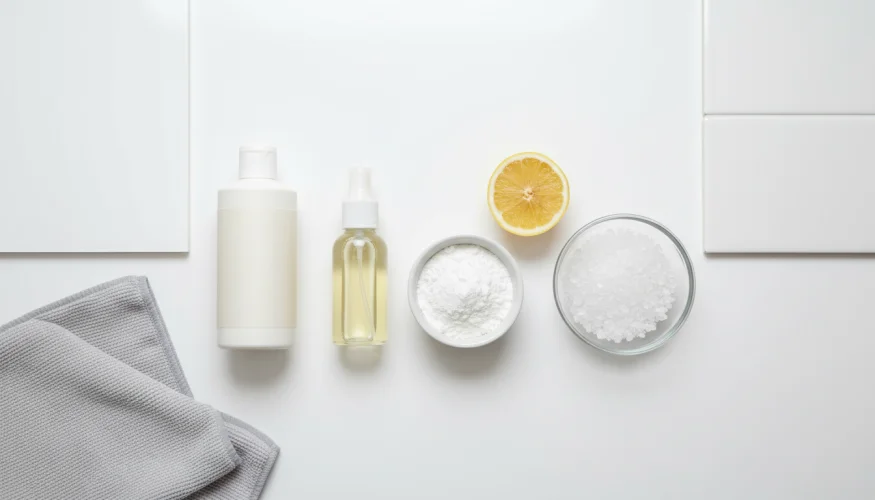
Natural alternatives work surprisingly well. Baking soda, white vinegar, and citric acid form the foundation of eco-friendly cleaning that can handle most common bathroom dirt. Baking soda is mildly abrasive, so it can be used on enamel bathtubs, but on acrylic only very carefully and in minimal quantities. White vinegar and citric acid are excellent descalers for both types of surface – with the difference that on acrylic they should be used in a weaker solution and for a shorter period of time.
Another step towards a sustainable bathroom is choosing concentrated cleaning products that are diluted with water – they generate less plastic waste and are transported more efficiently. Cleaning tablets and powders that dissolve in water and are supplied in minimalist paper packaging are also available on the market. These products are becoming increasingly accessible and their quality is continually improving. According to the European Environment Agency, household chemicals are a significant source of indoor air pollution and wastewater contamination, so switching to gentler alternatives has a real impact.
Regular and gentle care is always preferable to intensive cleaning with strong products once in a while. A bathtub that is wiped down with a soft cloth after each use and dried of water droplets does not require such frequent deep cleaning and will remain in good condition for much longer. This applies to both materials – enamel and acrylic alike.
Choosing the right cleaning product is therefore not merely a question of aesthetics or the longevity of the bathtub. It is also a decision that affects the health of the household, the quality of the air in the bathroom, and the impact on the environment beyond the walls of the home. All it takes is knowing what your bathtub is made of, reaching for the appropriate product – and your bathroom will shine without any unnecessary compromises.