

Vaginismus and the Path to Pain-Free Intimacy Is Not Far Away
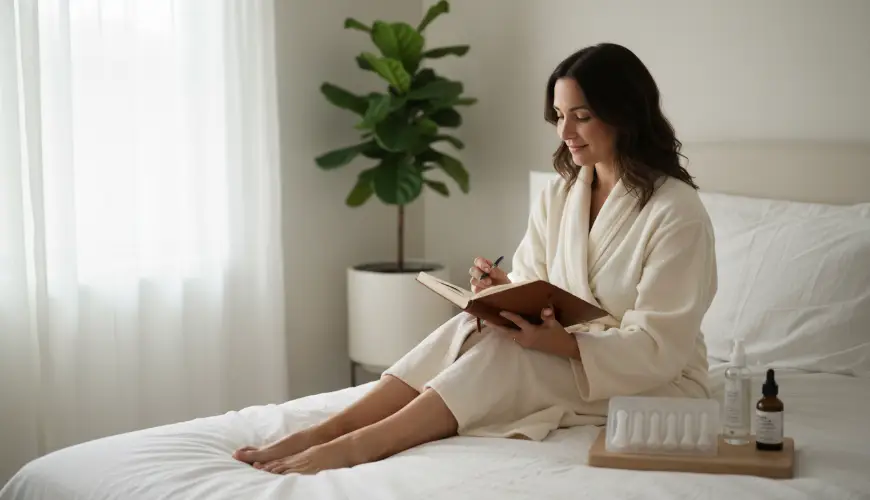
Pain during sex is not normal. Yet many women silently endure it, thinking it is their fault, their weakness, or simply their fate. Vaginismus is among the topics that are spoken about quietly – if they are spoken about at all. And yet it is a condition that significantly affects quality of life, intimate relationships, and the self-confidence of women around the world. Understanding what vaginismus is, how it develops, and how it can be addressed may be the first step toward genuine relief.
Vaginismus is a condition in which involuntary, uncontrolled spasms of the pelvic floor and vaginal muscles occur. These spasms arise in response to an attempt at penetration – whether during sexual intercourse, a gynaecological examination, or when inserting a tampon. It is important to emphasise that the woman does not consciously trigger these spasms. Her body responds automatically, as if defending itself against something dangerous, even when she consciously perceives no danger. This very gap between conscious will and bodily response is often particularly frustrating and confusing for affected women.
The professional literature distinguishes two basic types: primary vaginismus, in which the woman has never been capable of pain-free penetration, and secondary vaginismus, which develops after a period during which penetration was possible. The secondary form can be triggered by childbirth, surgery, infection, trauma, or even prolonged stress. Both forms are treatable, and that is a message that should be heard loudly and clearly.
Try our natural products





What truly lies behind vaginismus
The causes of vaginismus are varied and highly individual. In some women, psychological factors play a key role – a negative sexual experience, sexual trauma or abuse, strict religious upbringing associated with shame and fear of intimacy, or chronic anxiety. In others, the trigger may be a purely physical problem, such as infection, endometriosis, or a skin condition in the vulvar area. Most often, however, it is a combination of both, where the physical and psychological components are interconnected and mutually reinforcing.
Consider a specific situation: a young woman, after several painful attempts at first intercourse, begins to anticipate sex as something painful. This anticipation creates anxiety, anxiety causes muscle tension, tension causes pain – and the circle closes. This so-called cycle of pain and fear is typical of vaginismus and will not break on its own without targeted intervention. The longer a woman waits, the deeper the conditioned bodily response may become.
The problem is also that many women with vaginismus wait long months or years before seeking help at all. Shame, fear of being misunderstood, or the belief that "it will pass on its own" are common barriers. It is estimated that approximately 1 to 7% of women of reproductive age suffer from vaginismus, with the true figure potentially being higher, as many cases go undiagnosed. Information on the prevalence and clinical picture of vaginismus is summarised, for example, in the StatPearls database from the National Library of Medicine, which provides a solid overview for those who wish to explore the topic in greater depth.
The relationship dimension of the situation adds another layer of complexity. Vaginismus does not affect only the woman herself – it influences the relationship as a whole. Partners may feel rejected, guilty, or helpless. Communication on this topic tends to be difficult, as it touches on intimacy, self-worth, and mutual trust. Relationships in which vaginismus is neither named nor addressed can gradually break down under the pressure of frustration and misunderstanding. Conversely, couples who openly confront the issue often report that the experience paradoxically brought them closer together.
What the path to pain-free intimacy looks like
The good news is that vaginismus is among the conditions with a very good prognosis when the right treatment is pursued. The key is a multidisciplinary approach that takes both body and mind into account. There is no single universal method that works the same way for every woman – treatment must be tailored to the individual.
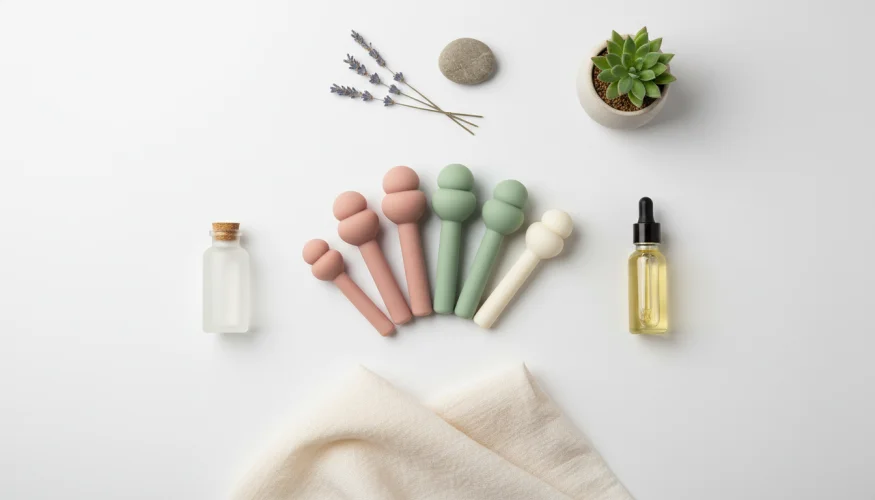
The cornerstone of therapy is collaboration with a physiotherapist specialising in the pelvic floor. Pelvic floor physiotherapy encompasses techniques that help the woman gradually become acquainted with the muscles of the pelvic floor region, learn to consciously relax them, and work with their tension. Therapy often also involves the use of vaginal dilators – a set of aids in various sizes that the woman gradually introduces, at her own pace, so that her body becomes accustomed to the sensation of penetration without pain and without fear. This process requires patience and cannot be rushed. Every small step forward carries enormous psychological significance.
Hand in hand with physiotherapy goes psychological support. Cognitive-behavioural therapy, known as CBT, has proven highly effective in addressing the anxiety, negative beliefs, and conditioned responses associated with vaginismus. A therapist helps the woman identify the thoughts and emotions that trigger the bodily response and gradually reshape them. Some women also benefit from couples therapy, which opens a space for communication about intimate topics in a safe environment.
As sexual therapist and professional author Gina Ogden said: "Sexuality is not just a matter of the body. It is an experience that encompasses the mind, emotions, relationships, and spirit." This perspective is fundamental to understanding vaginismus – it cannot be treated purely physically or purely psychologically. Both dimensions are equally important.
In recent years, complementary approaches that women themselves report as beneficial have also come to the fore. Mindfulness and awareness techniques help develop a conscious connection with one's own body, free from judgement and fear. Yoga focused on the pelvic floor, breathing exercises, or relaxation techniques can reduce overall muscle tension and create favourable conditions for therapeutic progress. These are not a substitute for professional care, but a valuable complement that a woman can also practise at home on her own.
An important part of the entire journey is also education – both for the woman herself and for her partner. Understanding the mechanism of vaginismus, its causes, and the course of treatment reduces the feelings of guilt and shame that unnecessarily complicate the situation. The knowledge that vaginismus is not the result of "poor willpower" or a "weak character", but an involuntary bodily response with its own logic and origin, can in itself bring significant relief.
As regards practical aids, there is a wide range of products on the market that can help women on the path to pain-free intimacy. Water-based lubricating gels reduce friction and discomfort during attempts at penetration. Vaginal dilators, available in various sets and materials, are a key component of physiotherapy protocols. Massage oils and products designed for the vulvar area can contribute to relaxation and improved tissue circulation. When choosing these products, it is advisable to favour those free from fragrances, dyes, and aggressive chemicals that could irritate an already sensitive area.
The dimension of self-care in the broader sense is also not to be overlooked. Women undergoing treatment for vaginismus very often describe how helpful it was to slow down, pay more attention to their body as a whole, enjoy baths with natural ingredients, calming rituals, or simply time alone free from pressure and expectation. This self-care is not a luxury – it is part of the treatment.
The path to pain-free intimacy is neither straight nor quick, but it is real. Women who have experienced vaginismus and successfully overcome it describe the experience as profoundly transformative – not only in relation to sexuality, but also in relation to themselves. They learned to listen to their bodies, to communicate their needs, and to set boundaries. They learned that intimacy is not a performance, but a sharing. And that pain-free sex is a right, not a privilege.
For every woman who has recognised herself in this text, one recommendation stands above all others: speak about it. With a gynaecologist, physiotherapist, psychologist, or sexologist. Vaginismus is a treatable condition, and the sooner one begins, the easier the journey tends to be. Professional care exists, aids exist, support exists. All it takes is the first step.