

# Causes of Cracked Heels and What Really Helps
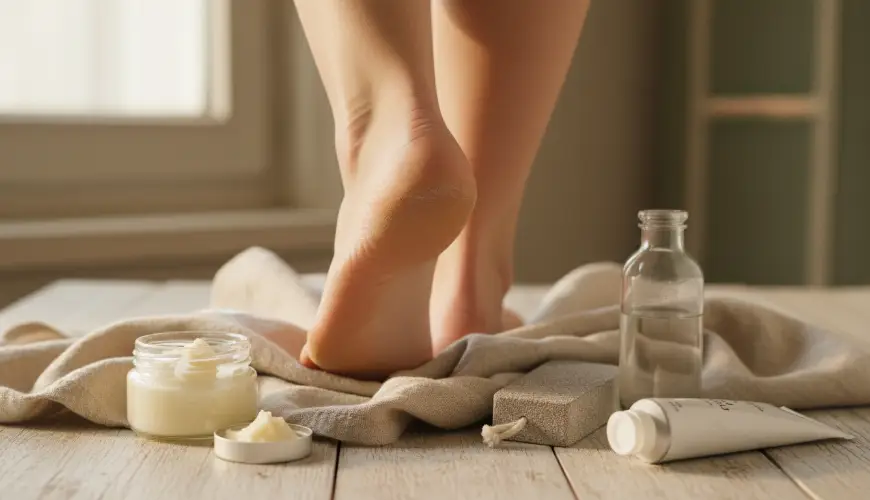
Cracked heels are one of those problems that rarely get talked about, even though they affect millions of people worldwide. You may know them well – fine, barely visible lines on the edge of the heel that gradually deepen until they start to hurt or even bleed. Yet many people are convinced it's merely a cosmetic issue and only pay attention when the problem grows into something more unpleasant. And yet cracked heels can be a signal that something is happening in the body or in daily habits that deserves attention.
The skin on the heels is subjected to greater pressure than anywhere else on the body. It bears the entire weight of the body, every day, every step. It's no wonder that this is where dry and hardened skin manifests most dramatically. According to the American Academy of Dermatology, dry heels are among the most common dermatological complaints of all, with prevalence increasing with age, but certainly not limited to older generations. Young people, athletes, pregnant women – cracked heels don't discriminate.
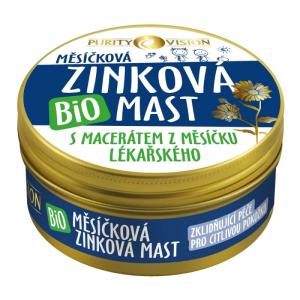
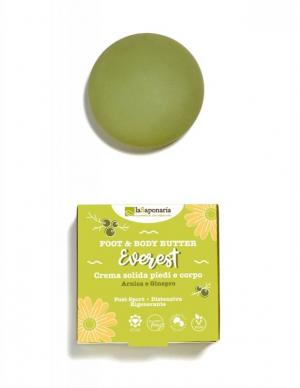
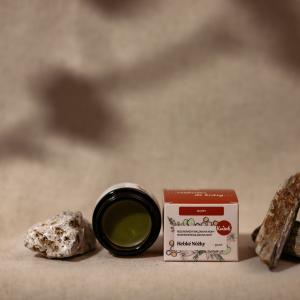
Try our natural products
What actually causes cracked heels?
The answer isn't simple, because there are usually several causes at once. The most common culprit is chronic skin dehydration. The skin on the heels has no sebaceous glands, so it naturally hydrates only with great difficulty. Add to that insufficient fluid intake, dry indoor air during winter, or frequent hot showers, and you have ideal conditions for cracks to develop.
Another underestimated factor is inappropriate footwear. Open-backed sandals or walking barefoot on hard surfaces cause the fatty subcutaneous tissue beneath the heel to spread sideways with every step. If the skin lacks elasticity, it simply cracks. Standing on hard floors all day has a similar effect – cooks, shop assistants, and teachers know this very well.
A less obvious but important cause is nutritional deficiencies. A lack of zinc, vitamin E, omega-3 fatty acids, or vitamin C manifests itself, among other things, in the quality of the skin. The skin loses elasticity, regenerates more poorly, and becomes more prone to cracking. Research repeatedly shows that the condition of the skin is a kind of mirror of overall health – if the skin is sending warning signals, the body may be calling for help at a deeper level.
Hormones are also worth mentioning. Hypothyroidism, meaning reduced thyroid function, leads to decreased production of sweat and oil in the skin, which dries it out. Diabetes impairs blood circulation to peripheral tissues and affects the skin's ability to heal. If cracked heels recur and don't respond to regular care, it may be worth visiting a doctor and having basic blood tests done.
Excess weight also plays a role, as it increases pressure on the heels with every step, and paradoxically so does excessive washing of feet with aggressive soaps that disrupt the skin's natural protective film.
What actually helps and what is just marketing
The market for foot care products is enormous and navigating it is not easy. Advertisements promise miracles overnight, but reality tends to be more sobering. So what actually works?
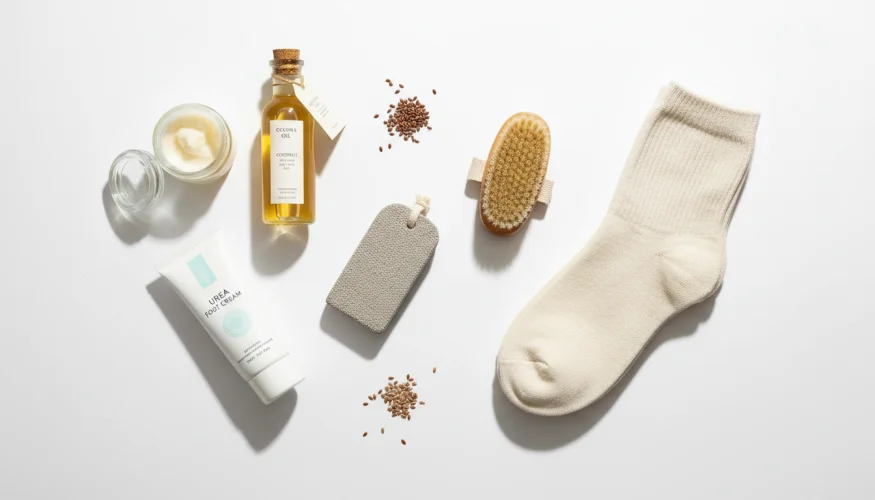
The foundation is regular and consistent hydration. That sounds banal, but consistency is precisely the key. Applying cream to your heels once a week before bed isn't enough – skin needs care every day, ideally right after a shower, while the pores are still open and moisture is absorbed more easily. Products containing urea (at least 10–25%) work best as moisturisers, as it has a proven ability to bind water in the skin while gently breaking down keratinised cells. Dermatologists consider it one of the most effective moisturisers for caring for dry and hardened skin.
Natural butters and oils are also excellent helpers – shea butter, coconut oil, and castor oil are among those with the best regenerative properties. These ingredients are popular not only in conventional cosmetics but also in natural and eco-friendly products, where they are combined without synthetic additives. Their advantage is that they create a protective layer on the skin's surface while also supplying the fatty acids needed to restore the skin barrier.
Exfoliation is the second essential component of care, but it must be done correctly. Mechanically removing keratinised skin with a pumice stone or special file helps, but aggressive or overly frequent exfoliation irritates the skin and can worsen the condition. Experts recommend gentle exfoliation once or twice a week, not every day. Enzymatic peels, which dissolve keratinised cells chemically (for example with lactic acid or glycolic acid), tend to be gentler and more effective than mechanical scrubbing.
A popular tip that genuinely works is the so-called occlusive wrap. After applying a generous layer of cream or oil to the heels, the feet are wrapped in cling film or cotton socks are put on and left overnight. This method significantly increases the penetration of active ingredients into the skin, and results are visible after just a few days. One user, a nurse who spends ten or more hours a day on her feet, described how this simple ritual saved her after months of suffering from painful cracks – using nothing but shea butter and old socks.
Footwear choice is equally important. Switching to closed shoes with good arch support and heel cushioning can work wonders, especially if the cracks are caused by mechanical stress. Orthopaedic insoles can help redistribute pressure and reduce strain in the heel area.
From a nutritional standpoint, it's worth focusing on adequate intake of omega-3 fatty acids, found in oily fish, flaxseed, or chia seeds, as well as vitamin E from nuts and seeds, and zinc from legumes, pumpkin seeds, or whole grains. Internal hydration – meaning adequate water intake – won't cure cracks on its own, but it forms the foundation without which external care cannot achieve its full effect.
It's sometimes forgotten how great an influence overall lifestyle has on skin condition. Smoking impairs blood circulation to the skin and slows its regeneration. Chronic stress raises cortisol levels, which disrupt the skin barrier. Even sufficient sleep plays a role – it is during the night that the greatest part of the body's regenerative processes takes place, skin included.
As dermatologist and skincare author Joshua Zeichner said: "Skin is not just a covering – it is an active organ that responds to everything happening inside and outside the body." This thought is particularly apt in the case of cracked heels, where internal health and external care meet and mutually influence each other.
When it comes to products available in pharmacies or specialist shops, it's wise to avoid preparations with a high alcohol content, synthetic fragrances, or preservatives such as parabens – these ingredients can dry out or irritate the skin even further. Natural and minimally formulated products tend to be gentler while still being sufficiently effective. When choosing, it pays to read the ingredient list and look for products where active ingredients such as urea, lactic acid, or natural oils appear near the top.
It is also worth mentioning that deep cracks that bleed or are painful can serve as an entry point for bacterial or fungal infections. In such cases, self-care is insufficient and a visit to a doctor or podiatrist – a specialist in foot care – is genuinely warranted. Podiatrists can safely remove keratinised skin and advise on individually tailored care.
Cracked heels are neither an inevitable fate nor merely an aesthetic problem. They are a challenge to which the body responds on multiple levels simultaneously – and care for them should respond in the same way. A combination of daily hydration, gentle exfoliation, appropriate footwear, and attention to overall health can, in the vast majority of cases, bring visible and lasting change. The key lies not in any miracle product, but in patience and consistency – just as with most things that truly work in life.