
# How to Make a Homemade Body Scrub
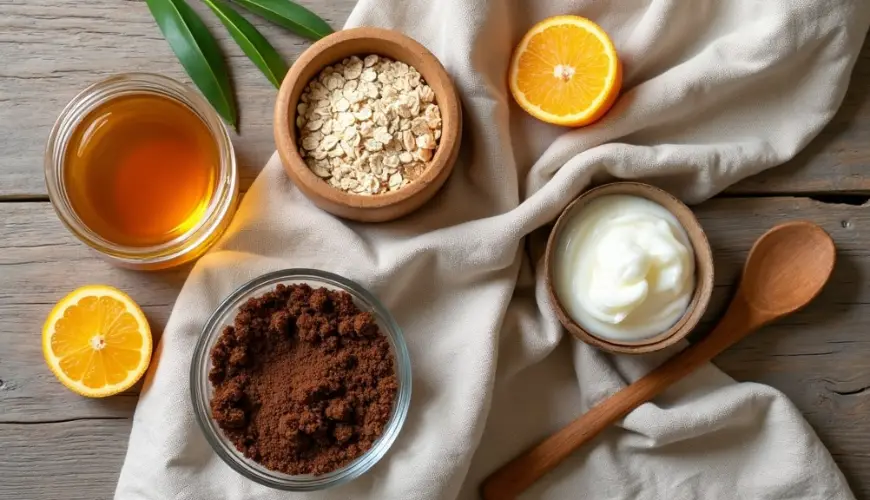
Skin care doesn't have to mean expensive creams full of chemical additives or trips to a beauty salon. All you need to do is look in your own kitchen – and you'll be surprised how quickly it becomes clear that almost everything needed to make an effective body scrub is right there. Sugar, coffee grounds, honey, coconut oil or oatmeal – these are ingredients that most people have at home every day, without ever thinking they could serve as the basis for luxury cosmetics.
Homemade body scrubs have experienced a true renaissance in recent years. Interest in natural cosmetics is growing hand in hand with a greater emphasis on sustainability, transparency of product ingredients and conscious consumption. People are increasingly aware of what they apply to their skin and are looking for alternatives that are not only effective, but also gentle on both the body and the planet. And homemade scrubs meet all these criteria at once.
Try our natural products
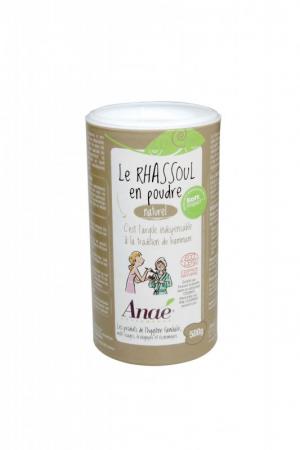
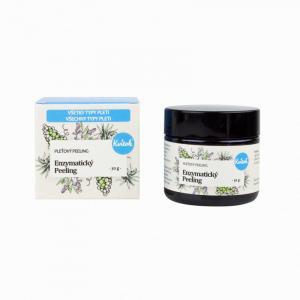
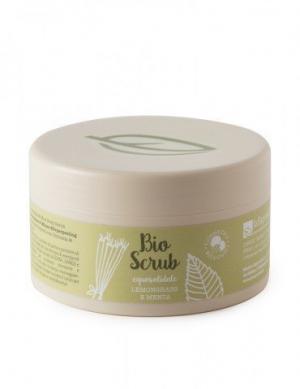
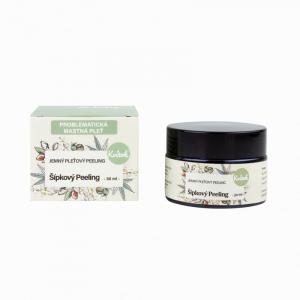
Why exfoliation matters and what happens to your skin
Human skin naturally renews itself approximately every 28 days. During this process, surface cells die and are replaced by new ones. The problem occurs when dead cells remain on the surface for too long – the skin then looks dull, grey and tired, may feel rough to the touch and absorbs moisturising products less effectively. Regular mechanical exfoliation, i.e. scrubbing, accelerates this natural process and helps the skin "breathe".
Dermatologists recommend performing a body scrub approximately once to twice a week, depending on skin type. Sensitive skin can manage with a gentle scrub once a week, while more resilient skin types can apply a scrub even more frequently. It's important not to overdo it – too frequent or too aggressive exfoliation can disrupt the skin's natural protective barrier and lead to irritation.
What happens on the surface of the skin during this process? The mechanical particles in the scrub physically remove the layer of dead cells, which stimulates blood microcirculation. The result is immediately more visible freshness and, in the long term, smoother, softer skin. If we add suitable oils or honey that are absorbed into the skin during the massage, we achieve an effect comparable to a professional treatment.
There is a real-life example that illustrates this well: Jana, a thirty-four-year-old teacher from Brno, started making her own body scrubs from coffee grounds and coconut oil a year ago. Originally, she was motivated by a desire to save money and reduce plastic waste. After a few weeks of regular use, however, she noticed that her skin was significantly smoother and the cellulite on her thighs was visually less noticeable. "I didn't expect it to be so simple and yet so effective," she says. Today she also makes scrubs for her friends.
The best kitchen ingredients for a homemade body scrub
Before we get into specific recipes, it's worth understanding what each ingredient does and why it is so valuable. Each one offers something different to the skin – and by combining them, you can achieve exactly the result you need.
Sugar is one of the most popular base ingredients for homemade scrubs. The crystals partially dissolve on contact with water and heat, making the scrub pleasant and not too coarse. Sugar also naturally contains glycolic acid, which supports skin renewal. Cane sugar is slightly finer than white refined sugar, making it suitable even for more sensitive skin types.
Coffee grounds are a great example of an ingredient that would otherwise end up in the bin. The caffeine in coffee stimulates blood circulation and has proven antioxidant properties. This is precisely why coffee scrubs are recommended for the thighs and buttocks, where they can help reduce the appearance of cellulite. Research published in the Journal of Cosmetic Dermatology, for example, suggests that caffeine applied to the skin can temporarily improve its appearance and elasticity.
Sea salt has a more pronounced exfoliating effect than sugar and also contains minerals such as magnesium, calcium and potassium, which nourish the skin. It is ideal for rougher areas of the body, such as knees, elbows or feet. It is not recommended for the face or sensitive areas.
Oatmeal, on the other hand, is the gentlest option. It has anti-inflammatory properties and is suitable for skin prone to irritation or for children. Oatmeal can be used as is, or first lightly ground in a blender for a finer texture.
Honey is a natural humectant, meaning it attracts and retains moisture. It also has antibacterial properties, making it great for acne-prone or problematic skin. Combined with sugar or oatmeal, honey forms the basis of scrubs that simultaneously provide deep hydration.
Coconut oil serves as an excellent carrier base for scrub ingredients. It absorbs easily, leaves skin feeling soft and has a pleasant scent. Alternatives include olive oil, almond oil or sunflower oil – it depends on what's available at the time.
Lemon juice added in small amounts lightens blemishes and evens out skin tone thanks to the naturally occurring acids. Be careful, however, about using lemon-based scrubs before sun exposure – citrus acids increase the skin's sensitivity to sunlight.
As herbalist and cosmetic advisor Margit Slimáková says: "Nature has given us everything we need. We've just forgotten how to use it."
How to prepare a homemade body scrub step by step
The preparation itself is very simple and takes no more than five minutes. A basic recipe to start with is a sugar and oil scrub. Mix three tablespoons of cane sugar with two tablespoons of coconut oil and add a few drops of your favourite essential oil – lavender for calming, orange for an energy boost or mint for a refreshing effect. The resulting mixture should have the consistency of a thick paste that spreads easily but doesn't run.
For coffee lovers, there is a coffee scrub for cellulite: mix four tablespoons of coffee grounds (ideally still slightly warm from making coffee) with two tablespoons of olive oil and a teaspoon of honey. Apply this mixture to damp skin and massage in circular motions for two to three minutes, then rinse off.
For sensitive skin, an oatmeal and honey scrub is ideal: grind a handful of oats into a coarse flour, mix with two tablespoons of honey and a little warm water or milk. The result is a gentle paste that cleanses, nourishes and doesn't irritate.
When applying any scrub, it's important to follow a few key principles. Scrubs should always be applied to damp skin, ideally in a warm shower or bath when the pores are open. Massage in gentle circular motions, always moving from the extremities towards the heart – that is, from the ankles upwards, from the wrists to the shoulders. After rinsing off, it is recommended to apply a moisturising body lotion or oil, as the skin is very well prepared to absorb active ingredients after a scrub massage.
Homemade scrubs are best prepared fresh, just before use. However, if you want to make a larger batch, dry ingredients (sugar, salt, oatmeal, coffee grounds) can be stored in a sealed jar without adding oil or honey, with the oil added just before use. Wet mixtures spoil quickly and can harbour bacterial growth.
Interestingly, homemade cosmetics are nothing new – we simply forgot about them for a while. In times when commercial cosmetics were not available, women around the world used exactly these ingredients. Egyptian queens bathed in milk and honey, Japanese geishas treated their skin with rice bran, and Mediterranean women swore by olive oil. Modern science backs them up – many of these traditional methods have proven effects confirmed by research.
Another advantage of homemade scrubs is that they are fully customisable to individual needs. Some people are looking for intensive exfoliation for rough skin on their feet, while others need gentle treatment for dry and sensitive skin. By combining different ingredients, you can create exactly the product that your skin needs – and without a single synthetic additive, preservative or microplastic, which are still commonly found in commercial scrubs.
It is worth mentioning that microplastics in cosmetics have been under scrutiny from regulatory bodies in recent years. The European Chemicals Agency (ECHA) is working on gradually restricting their use in cosmetic products, as they enter aquatic ecosystems and cause long-term ecological damage. A homemade scrub made from kitchen ingredients is therefore not only a healthier choice for the skin, but also a conscious decision in favour of the environment.
Body care doesn't have to be complicated or expensive. Sometimes all it takes is opening the cupboard, reaching for some sugar or coffee grounds and taking five minutes for yourself. The result – silky smooth, fresh and radiant skin – then speaks for itself.