
What is clean beauty, how to recognize an honest brand, and what to watch out for
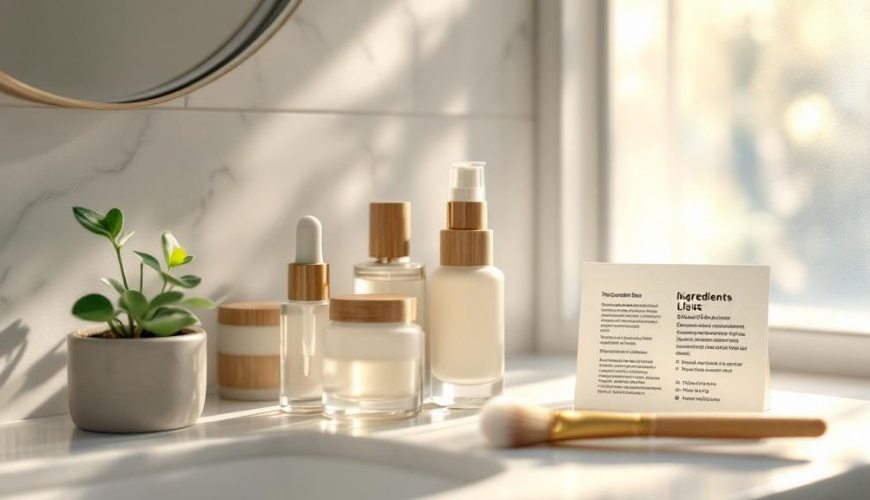
When we talk about "clean" cosmetics today, it often sounds like a simple recipe for uncompromised beauty has finally been discovered. However, clean beauty is not a straightforward label that can just be slapped on a box. It's more of a direction, a conversation, and a response to the question more and more people are asking when looking at their bathroom shelf in the morning: What exactly are we putting on our skin daily—and why?
To be clear right from the start: what is clean beauty cannot be resolved in a single sentence. Nevertheless, it can be explained understandably. Clean beauty usually means cosmetics that strive to be safe, transparent, and gentler—to both humans and the environment. It doesn't always have to be natural, vegan, or organic. At its core, it stands on the brand's open communication about ingredients, avoiding problematic substances, and considering the impact of production and packaging. And that's why it's talked about so much.
Try our natural products
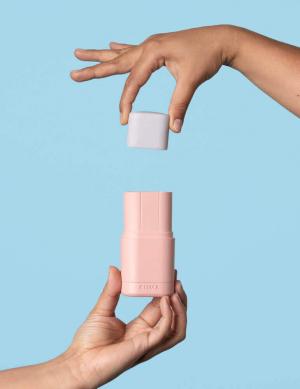
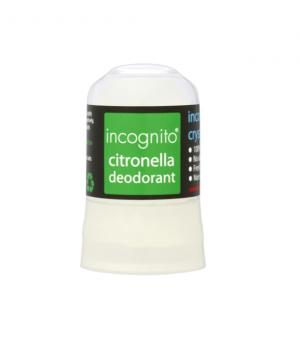
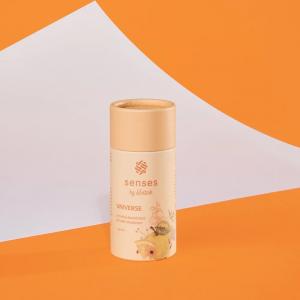
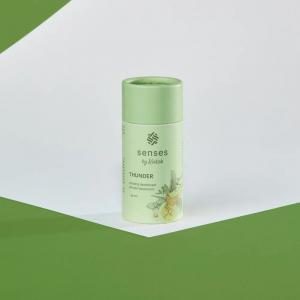
What Clean Beauty Means and Why It's Talked About
There are several reasons, all interconnected. Firstly, people's sensitivity to what they eat is growing—and the same logic is spilling over into cosmetics. The skin is the body's largest organ, and even though it is not a "sponge" that automatically absorbs everything applied to it, it's natural to want to know what exactly is included in the daily routine. At the same time, allergies, eczema, and skin sensitivities are increasing, leading to the search for gentler products and simpler formulations.
The second reason is trust. The cosmetics market is enormous, and sometimes marketing resembles theater: "natural," "clean," "chemical-free"—yet everything is chemistry, including water. The pressure for clearer communication and promise control is one of the driving forces behind clean beauty. People want less smoke and more facts.
And the third reason is the planet. Cosmetics are not just cream—they're also packaging, transport, microplastics, palm oil, water, and energy consumption. Clean beauty often rests on the idea that beauty should not come at the expense of the environment. Not every brand manages this equally well, but even the shift in consumer expectations is changing the rules of the game.
For context, it is worth remembering that cosmetic safety in the EU is among the strictest in the world. European regulations ban or restrict a number of substances and require safety assessments. Those who want to see how the EU approaches ingredients can look into the European Commission's information on cosmetics regulation and ingredient safety within the Cosmetic Products Regulation. Clean beauty didn't emerge because regular cosmetics are automatically "dangerous," but because people want a higher standard of transparency and gentleness than the minimum requirement.
What Clean Beauty Really Is: Less Myth, More Reality
In practice, clean beauty often relies on several principles, which are combined in various ways. The first is understandable and traceable composition. Brands that take it seriously do not hide behind vague phrases and often explain why certain substances are used and what their functions are. The second principle is excluding selected controversial ingredients—typically those where there are long-term debates about irritation, bioaccumulation, or environmental impacts. And the third is broader ethics: no animal testing, vegan composition, sustainable packaging, fair production.
However, this is where confusion arises. Clean beauty is often confused with "natural cosmetics," but they are not synonyms. Natural cosmetics usually emphasize plant-based raw materials and certifications like COSMOS or NATRUE. Clean beauty, on the other hand, can include safe synthetic substances if they have a good profile and help, for example, with product stability or tolerance. It makes sense: some natural ingredients can be allergenic (typically essential oils), while some synthetic ones can be very well tolerated.
Similarly, it's not true that clean beauty automatically means "without preservatives." Preservation in cosmetics is important because a product used in the bathroom is exposed to heat, humidity, and contact with fingers. Without suitable preservation, microbial contamination can be a problem, which is often worse for the skin than the preservative itself. Clean beauty, therefore, seeks gentler and well-documented preservation systems and suitable packaging (such as airless pumps) rather than demonizing preservation.
In one sentence, it could be said: clean beauty is an effort for cosmetics that are thoughtful, transparent, and considerate, without unnecessary fragrance and without ingredients that customers often reject on principle or due to sensitivity.
And sometimes a simple quote helps, which is repeated in the cosmetic world in various forms: "The dose makes the poison." In cosmetics, this means that important is not only what the product contains but also in what quantity and in what combination—and for whom it is intended.
How to Recognize Clean Beauty Cosmetics: A Practical Compass for the Shelf and Online Store
The question "how to recognize clean beauty cosmetics" is perhaps the most common today. Because the word "clean" is not legally uniformly defined, it's good to look at several signals simultaneously. It's not about becoming a chemist but rather acquiring the habit of reading between the lines and looking for specific information.
Let's start with the most visible: packaging and marketing. If a product shouts "chemical-free" or "100% non-toxic," it is more of a warning signal. A serious brand usually communicates more soberly and concretely. Instead of scaremongering, it offers explanations: for whom the product is suitable, what it avoids and why, what raw materials it uses, and how it handles packaging.
The second step is INCI—the list of ingredients. Clean beauty often means a shorter and more understandable composition, but it's not a rule. More important is whether the composition is published, complete, and whether the brand can explain the function of key ingredients. In practice, it helps to notice several groups that appear most often in clean beauty debates:
- Fragrance and allergens: if someone has sensitive skin, they often appreciate unfragranced cosmetics or lightly fragranced ones without a large amount of essential oils. This doesn't mean fragrance is "bad," but it is a common trigger for sensitive skin.
- Silicones and mineral oils: some people avoid them due to the feel on the skin or philosophy. From a safety perspective, they are allowed and commonly used in the EU, but clean beauty often limits them to achieve more "breathable" textures and better biodegradability.
- Microplastics and problematic polymers: this is not just about feeling but also about environmental impact. The EU is gradually limiting intentionally added microplastics; a good overview of the topic can be found in the information from the European Chemicals Agency on microplastics restrictions within ECHA.
- Controversial preservatives: some brands avoid, for example, formaldehyde donors or certain types of preservatives that some people poorly tolerate. Again, context and formulation are key.
The third step: certification and evidence. Clean beauty itself doesn't have a certification, but it often intersects with other standards. If a product carries natural cosmetics certification (such as COSMOS) or has clearly declared cruelty-free principles within European legislation, it can be a plus. For packaging sustainability, it helps if the brand openly states whether the packaging is recyclable, made from recycled materials, refillable, or how it addresses waste minimization.
The fourth step: the brand's approach to "green marketing." Clean beauty is also recognized by not trying to be perfect on paper but rather honest in what it does and doesn't do. For example, it admits that some ingredients are synthetic because they enhance stability and reduce the risk of irritation, or that the packaging is not yet completely plastic-free but is designed to have a smaller footprint.
And now, a real-life example that is suspiciously common. Imagine a household where a quick morning pace alternates with an evening "finally quiet" moment. In the bathroom stands a fragrant body cream, long a favorite, but recently the skin on the shins feels tight and itchy after use. Next to it appears a new cream labeled as clean beauty: fragrance-free, with a simple composition, in a pump that doesn't open with fingers. After a week of use, it turns out not to be a miracle, but a small change that makes sense—the skin is calmer, and there's no longer a need to scratch in front of the TV at night. The point is not that "clean" always wins. The point is that well-chosen, gently formulated cosmetics can be practical and pleasant without promising the impossible.
What to Watch Out For When Clean Beauty Seems Too Perfect
Because clean beauty sells well, there is also "cleanwashing"—a situation where a brand uses clean-sounding words but doesn't change much in reality. Warning signals are simple: vague claims without explanation, scare tactics about "toxins" without context, or conversely, long lists of "without something" that distract from what is actually in the product.
A good test is to ask two questions: Are the main active ingredients clear and why are they there? And is the brand transparent about origin, packaging, and manufacturing? If the answer is "not really," it's more marketing than philosophy.
Clean Beauty and Sensitive Skin: Why It Sometimes Works Better
Clean beauty is often linked with sensitive skin, although it's not a rule. It makes sense: less fragrance, fewer potentially irritating substances, and an emphasis on the skin barrier. Many clean beauty products are based on ingredients like glycerin, squalane, ceramides, panthenol, or gentle plant oils. These are not "trendy miracles," but rather reliable building blocks that help the skin function without unnecessary stress.
At the same time, it's fair to say that even in clean beauty, it's possible to overdo it. Too many essential oils in the name of "natural" can irritate sensitive skin. Conversely, a well-formulated product from regular dermocosmetics might be a better choice for someone than a "clean" cream that smells beautifully of lavender but stings. Clean beauty, therefore, isn't a competition in purity, but rather finding the most sensible option for a specific need.
How to Choose Clean Beauty Without Stress: Less Pursuit of Perfection, More Sense
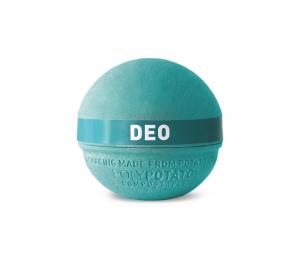
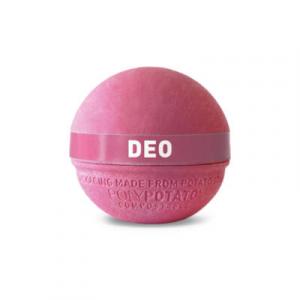
To make decision-making easy, it's worth sticking to a simple framework: what do I need, what do I dislike, and what is important to me additionally (e.g., packaging or vegan composition). Some want to mainly minimize fragrance, others are looking for a gentle deodorant, and others are concerned about not generating unnecessary waste with cosmetics.
If key words were to be arranged into one practical thought, it would be: what clean beauty means and why it is talked about relates to trust, sensitivity, and sustainability; what clean beauty is, is primarily a transparent and thoughtful approach; and how to recognize clean beauty cosmetics is best shown in the composition, brand communication, and real details, not in a flashy slogan.
In the end, what's sympathetic about clean beauty is that it doesn't push for the constant addition of more and more steps. It often leads to the opposite: a smaller but better-chosen cosmetic kit that makes sense every day. And anyone who has ever tried to reduce their bathroom shelf to a few items that really fit knows that it's not just aesthetics. It's also a peculiar kind of tranquility that fits surprisingly easily into both morning and evening routines.