

Cosmetic Labels: How to Easily Read Ingredients to Identify Fragrance and Alcohol
Reading cosmetic labels can be a small test of patience for many people. Tiny print, Latin names, abbreviations that look like they’re from a chemistry textbook... and yet it’s about something so practical: what we put on our skin, hair, or lips every day. The good news is that learning how to read the ingredients of cosmetics without a chemistry degree can be surprisingly quick. It’s not about memorizing the entire periodic table, but understanding a few simple rules about how ingredients are listed on the packaging, why some names look "scary," and when it’s time to pay attention.
It may have happened before: someone reaches for a cream promising "natural care," but finds half a page of words on the back that don’t resemble anything in a herb garden. Should they turn away and look for something "cleaner"? Or is part of the concern just a myth surrounding cosmetics? Cosmetic Labels: How to Read Ingredients Easily is a skill that helps make more informed choices – without panic and without unnecessary extremes.
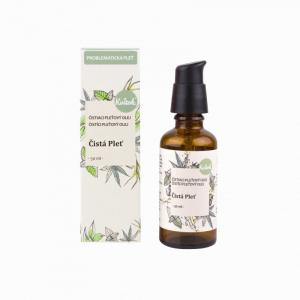
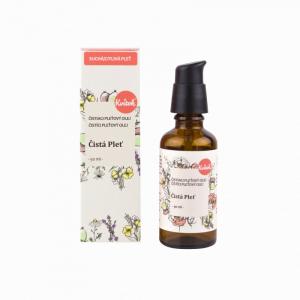
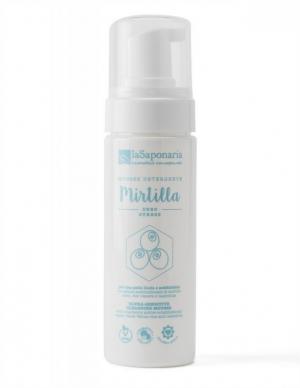
Try our natural products
Why the Ingredients are Written So Strangely (and Why It’s Actually Fair)
Cosmetic ingredients are listed on packaging using the INCI system (International Nomenclature of Cosmetic Ingredients). That’s why you see Latin plant names and English names for chemical compounds on the label. At first glance, it seems distant, but it’s actually an advantage for consumers: INCI standardizes names across countries, so "Aqua" will be water in the Czech Republic and in Spain, and "Butyrospermum Parkii Butter" will be shea butter, even if the product is sold in a different language version.
The order is also important. Ingredients are listed from highest to lowest quantity (typically down to the 1% threshold; below that, they may be listed in any order). Practically, this means that the first five to seven items often tell you the most about what the product is actually made of. If water is at the beginning followed by a few common humectants, that’s normal. If denatured alcohol is at the start and the product is for dry skin, it’s a good idea to pay attention.
And another thing to reassure you: "chemistry" is not automatically a dirty word. Water is a chemical compound, as is vitamin C or hyaluronic acid. It makes more sense than dividing into "chemical vs. natural" to look at the function and tolerability of individual ingredients and how they behave in a specific formulation.
"The dose makes the poison." This well-known phrase attributed to Paracelsus often applies in cosmetics: even a common substance can irritate in high concentrations, while another "scary-sounding" ingredient can actually be very well tolerated.
For those who want to delve deeper, useful and reliable explanations of terms and the safety of cosmetic ingredients are offered by sources such as the European Commission – Cosmetics or the CosIng database (the official European list of cosmetic ingredients and their functions).
How to Read Cosmetic Ingredients Simply: A Short Map for Orientation
When someone says "guide," it can sound technical, but in reality, just a few reference points are needed. The goal isn’t to become a home toxicologist, but rather to gain confidence that the label is no longer a cipher.
The First 5–7 Ingredients Determine the Character of the Product
In creams and shampoos, Aqua (water) is often listed first, sometimes Aloe Barbadensis Leaf Juice (aloe juice), or hydrosols. Immediately following are substances that retain water in the skin: Glycerin, Propanediol, Sodium PCA, Betaine. These names sound "laboratory-like," but they are actually common, often very gentle moisturizing components. Glycerin is, incidentally, one of the best-researched moisturizing agents in cosmetics and does a great job in a well-formulated product.
Then come emollients and oils – the components that give creams their "slip" and prevent drying: Squalane, Caprylic/Capric Triglyceride, Butyrospermum Parkii Butter (shea butter), various plant oils (olive, jojoba, almond). Sometimes people are startled by names like Cetearyl Alcohol – but this isn’t "alcohol" like in disinfectants or drinks. Cetearyl alcohol is a fatty alcohol that helps the cream maintain its consistency and generally doesn’t bother the skin, quite the opposite.
Emulsifiers and stabilizers are added to ensure the product doesn’t fall apart. Here you often see names like Glyceryl Stearate, Cetearyl Glucoside, Xanthan Gum. Again, a "complicated word" doesn’t automatically mean a problem.
Fragrance, Allergens, and "Parfum": When to Pay Attention
If the skin is sensitive, eczema-prone, or reactive, it’s most often troubled not by water and glycerin, but by fragrances and some preservatives. Fragrances are usually hidden under Parfum or Fragrance on the label. Additionally, so-called allergenic fragrance components must be listed separately in the EU (typically Limonene, Linalool, Citral, Geraniol, Eugenol). It doesn’t mean they are "bad" – just that they can cause reactions in some people, especially if the product is intended for the face or is used frequently.
A simple rule is useful in practice: if someone is trying to understand how to read cosmetic ingredients without a chemistry background and has sensitive skin, it’s wise to start by checking if the product contains Parfum and how many fragrance allergens appear on the list. The higher they are, the greater their presence is.
Preservatives: Why They’re There and What’s "Okay"
Preservatives have an unpleasant reputation in cosmetics, but without them, especially water-based products (creams, tonics, shower gels) would quickly become contaminated with bacteria and molds. That’s a risk worth taking seriously. European regulation is strict on this: permitted preservatives and their maximum concentrations are clearly defined.
Common preservative systems include Sodium Benzoate, Potassium Sorbate, Benzyl Alcohol, or modern combinations in low doses. Sometimes Phenoxyethanol is used – there are debates around it, but in permitted concentrations, it’s legal and commonly used in the EU. For sensitive individuals, it might be advisable to monitor individual tolerability, not just rely on internet lists of "banned" substances.
Looking at preservatives pragmatically works well: in a product with water, preservation is a sign of responsibility, not automatically a problem.
Active Ingredients: When the Name Looks Like an Equation But the Effect Makes Sense
In modern cosmetics, ingredients with a specific goal often appear – to hydrate, soothe, or unify skin tone. For example:
- Niacinamide (vitamin B3) – often well-tolerated, suitable for skin barriers and oilier types
- Panthenol – soothing and moisturizing
- Hyaluronic Acid / Sodium Hyaluronate – hydration (various forms, different "sizes" of molecules)
- Ceramides – support for the skin barrier
- Tocopherol (vitamin E) – antioxidant, often protects the oil component from rancidity
Here, a little caution is advisable: sometimes "star" ingredients are listed at the very end, which may indicate they are in low concentrations. It doesn’t mean they don’t work, but it’s good to have realistic expectations. Marketing can be louder than the ingredients list.
Real Example: Two Body Lotions and One Winter Skin
Imagine a common situation in a drugstore: someone is dealing with dry shins in winter that itch after a shower. They pick up two body lotions. The first one smells "like a vacation" and promises coconut and exotic oils on the front. But on the back, among the first ingredients are Alcohol Denat., followed by Parfum and several fragrance allergens. The second lotion smells lightly or not at all, and in the first lines are Aqua, Glycerin, Caprylic/Capric Triglyceride, Shea Butter, along with Panthenol and preservatives.
What can happen? For winter, compromised skin, the first option may feel pleasantly light short-term, but the alcohol and strong fragrance can worsen dryness and itching. The second option might be "less sexy" at first sniff, but thanks to its hydrating and emollient ingredients, it has a better chance of providing relief. This is precisely the moment when it makes sense to know what to watch for and what is okay – not based on impression, but based on the label.
What to Watch Out For (and When It’s More About Context Than Fear)
Cosmetics are individual. What works for one person may not work for another. Nevertheless, there are groups of ingredients where it’s wise to be more cautious – especially if the skin is sensitive, acne-prone, prone to eczema, or if it’s for children’s skin.
One of the common "triggers" is strong fragrance. It’s not that the scent is "toxic" itself, but it can be an unnecessary burden for skin already struggling with dryness or irritation. Similarly, it can be with some essential oils – even though they’re natural, they can be problematic for sensitive people. Nature can be just as intense as the lab.
Another category is denatured alcohol (Alcohol Denat.) in higher positions in the ingredient list. In some products, it makes sense – for example, in light gels for oily skin or in products that need to dry quickly. However, for dry and sensitive skin, it can contribute to tightness and discomfort. Again: it’s the skin type and purpose of the product that matter, not just the presence of one ingredient.
For acne-prone skin, comedogenicity (tendency to clog pores) is often an issue. Internet lists of "comedogenic" ingredients exist, but the reality is more complex: it depends on concentration, combination of ingredients, and whether it’s for the face or body. Even so, it can be useful to check if heavy oils and butters are present in high concentrations in a product meant for the face if the skin already reacts to heavier textures.
Then there are ingredients that have sparked emotion for a long time – such as sulfates in shampoos (Sodium Lauryl Sulfate, Sodium Laureth Sulfate). They work great for some people, helping with oiliness, while others may find they irritate the scalp or dry out hair lengths. Is it necessary to avoid them? Not always. Often, choosing gentler cleansing agents or alternating products according to the season and needs helps.
What’s Okay: "Scary" Names That Do Good Work
One of the biggest traps when reading labels is assuming that the longer and more foreign a name, the worse the ingredient. In reality, it’s often the opposite: some well-tolerated and useful ingredients simply have a standardized name.
A typical example is the aforementioned Cetearyl Alcohol. Many people exclude it just because of the word "alcohol," but it’s a stabilizing and softening ingredient that helps creams avoid being watery and create a comfortable film on the skin. Similarly, Cetyl Alcohol or Stearyl Alcohol.
Another "unpopular" group is silicones (e.g., Dimethicone). In some discussions, they’re talked about as something that "suffocates" the skin or hair. The reality is more balanced: they’re used in cosmetics because they can smooth, protect, and improve spreadability. For some with certain preferences or skin types, they may not be ideal, but as a group, they’re not automatically evil. Plus, in hair care, silicones can reduce friction, thus minimizing breakage.
Also, PEGs and similar emulsifiers raise concerns because they "sound chemical." In reality, they often serve to bind oil and water into a stable cream that doesn’t separate. Those concerned with sustainability or minimalism might prefer other types of emulsifiers, but from a typical usage standpoint, there’s no need to fear them just because of the name.
What’s very useful and common? Glycerin, panthenol, ceramides, niacinamide, squalane. All these ingredients appear in products across "natural" and conventional cosmetics and often contribute to calming the skin and reducing the need to "drink" cream by the liters.
For those who want to rely on authoritative and understandable sources about safety and regulation when reading ingredients, a good context is also offered by the SCCS – Scientific Committee on Consumer Safety at the European Commission, which assesses the risks of cosmetic substances.
How to Take Practical Decisions from the Label, Not Just More Questions
Reading ingredients is best learned based on personal needs. A "good composition" for a shampoo for oily scalp will look different than for a lip balm for the cold. Still, you can adhere to simple logic: first, clarify what the product should do (hydrate, cleanse, soothe), then look at the first lines of ingredients, and finally check for potential triggers – mainly fragrance, or denatured alcohol for sensitive skin.
It also helps to resist the impression that there’s a single "perfect" composition. Cosmetics are a compromise between effectiveness, stability, pleasant usage, and safety. And sometimes between what’s pleasant for a person and what’s gentler for the planet. In this regard, it makes sense to think about packaging, concentrates, solid variants, or refilling – but without pressure for absolute purity, which often exists more on paper than in real life.
In the end, what’s nice about reading labels is that it’s a skill that grows quickly. After a few weeks, you’ll notice that some names repeat, that a "strange" word is often just a standard name for something completely ordinary, and that the most important question isn’t "is it chemistry?" but rather: does it suit my skin type, my values, and how I actually use the product every day?