

Biodiversity on the balcony benefits nature and you
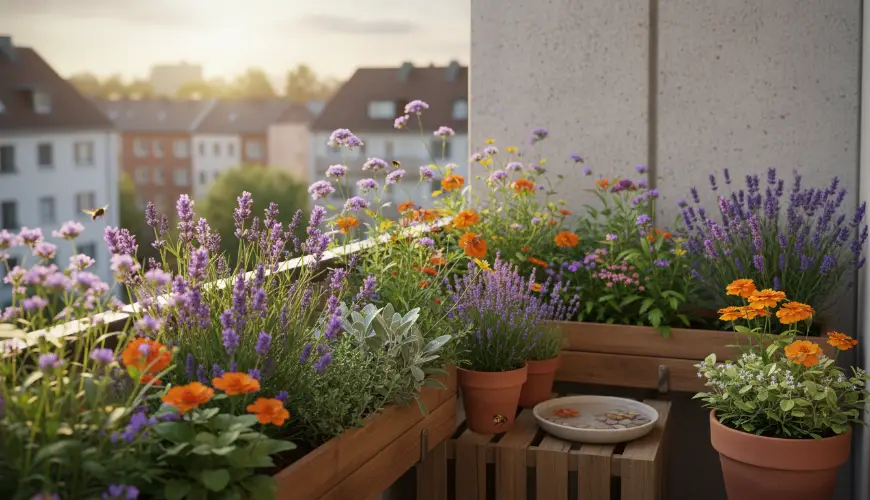
Few people realize that even a few square meters above the ground can play a role in saving nature. A balcony, terrace, or window ledge – seemingly insignificant pieces of urban space – can become small oases of life that contribute to biodiversity far more than they might appear to. And yet it is a pleasure that brings joy not only to nature, but to people themselves.
We are talking about a phenomenon that has been gaining more and more followers in recent years: the deliberate cultivation of biodiversity on the balcony. It is not a complex science, nor does it require owning a large garden. All it takes is a little willingness, the right plants, and a few smart decisions. The result is a space that buzzes, blooms, and breathes – one that reminds you every morning that even in the city, a living world exists.
Try our natural products

Why biodiversity matters even in a block of flats
The numbers are alarming. According to a report by the World Wildlife Fund (WWF), populations of wild animals have declined by more than 60 percent on average since 1970. Pollinators – bees, butterflies, bumblebees, and other insects – are among the most endangered groups, and their decline directly threatens food production and the stability of ecosystems. Urbanisation, chemical agriculture, and the destruction of natural habitats are the main culprits behind this trend.
Cities, however, can be part of the solution. Research repeatedly shows that green spaces in urban environments serve as important refuges for many species. Balconies and rooftop gardens form a network of small habitats that can serve as "transit stops" for pollinators on their journey through the landscape. A single flowering lavender plant on the fifth floor may not look like it is saving the world, but in the context of tens of thousands of similar balconies across a city, it represents an ecologically meaningful contribution.
It is actually similar to what Markéta from Brno did three years ago when she planted her balcony with a mix of herbs and wildflowers. At first it was purely about aesthetics – she wanted a nicer view from her window and fresh herbs at hand. But she soon noticed that bees, bumblebees, and butterflies began visiting her balcony – insects she had barely seen in the area before. "It felt like a small miracle," she says. "Suddenly I had the feeling I was doing something meaningful, even though I live on the third floor."
This experience is pivotal for many people. Contact with nature – even in its most modest form – has been shown to improve mental health, reduce stress, and strengthen a sense of purpose. As noted in a study published in the journal Frontiers in Psychology, regular contact with natural elements in the city positively influences mood and overall well-being. Biodiversity on the balcony is therefore not just an ecological investment – it is an investment in one's own mental health.
Which plants attract pollinators the most
The foundation of any balcony paradise for insects is the right choice of plants. The key word here is "natural" – pollinators prefer simple, single flowers from which they can easily access nectar and pollen. Ornamental varieties with densely double flowers may look impressive, but for bees and butterflies they are practically useless.
Among the best choices for balconies are lavender, thyme, oregano, lemon balm, and sage. These herbs are undemanding to grow, tolerate drought well, and their small flowers are a magnet for pollinators. They can also be used in the kitchen, making them doubly useful. Similarly popular are geraniums in simple varieties, marigolds, pot marigolds, and verbena. Among rock garden plants, stonecrop is an excellent choice, as it blooms even in the hot summer when other nectar sources are scarce.
Those who want to do even more can reach for seed mixes of meadow flowers designed for balconies and window boxes – these have become available in many garden centres and eco-conscious online shops in recent years. Such a mix typically contains dozens of plant species that take turns flowering from spring to autumn, providing a continuous food source for insects.
Variety is also important. Different species of pollinators prefer different plants and different flower shapes. Bumblebees, with their long tongues, can easily reach the nectar in deep, bell-shaped flowers such as foxglove or sage, while smaller species of wild bees prefer flatter, open flowers like chamomile or yarrow. The more plant species you grow on your balcony, the more insect species you will attract – and the richer and more vibrant your small ecosystem will be.
Don't forget water either. A small dish of water with pebbles (so insects don't drown) can be a literal lifesaver for pollinators on hot summer days. It just needs to be topped up occasionally and cleaned from time to time.
A sustainable approach that makes sense
Building biodiversity on a balcony would be incomplete if it were combined with the use of pesticides or synthetic fertilisers. While these may help plants in the short term, they simultaneously destroy the very insects we are trying to attract. Fortunately, there are natural alternatives that are equally effective yet gentle on the surrounding environment.
Composting is one of them. Even on a balcony, a small worm composter – that is, a composter with earthworms – can be used to process kitchen waste and produce nutrient-rich substrate for plants. It is an elegant circular solution that requires neither a garden plot nor significant investment. Equally natural is fertilising with nettle or horsetail extract, which provides plants with the necessary nutrients without any chemicals.
For protecting plants against pests, herbal sprays made from garlic or chilli work excellently, as do simple mechanical methods such as wiping off aphids with a damp cloth. Nature also helps itself in many ways – if you create a sufficiently diverse ecosystem on your balcony, natural predators of pests such as ladybirds or lacewings will follow.
The choice of containers and growing medium also plays a major role. Ecologically conscious growers prefer containers made from natural materials – terracotta, wood, or recycled materials – over plastic window boxes. Peat-free substrates, which avoid the extraction of peat from rare and ecologically valuable peatlands, are now available in many garden centres and are a fully viable alternative. Peatlands are among the most significant carbon stores on the planet, so protecting them has a global dimension.
As British garden writer and naturalist Ken Thompson once observed: "A garden doesn't have to be big to be important. What matters is what happens in it." And this thought applies to balconies twice over.
Connecting with the wider community can multiply the overall effect. If you share your intention to create a nature-friendly balcony with your neighbours, a network of green islands can emerge within a single building or street. Some Czech cities even support such initiatives as part of green infrastructure projects – for example, Prague has its own climate change adaptation strategy, which among other things supports the greening of buildings and public spaces.
Another interesting trend of recent years is the growing popularity of insect hotels and houses for solitary bees, which can easily be placed on balconies. Solitary bees – unlike honeybees – do not live in hives and do not produce honey, but they are extraordinarily effective pollinators. All they need is a cavity of the right size in which to lay their eggs and overwinter. Insect hotels can be made from scraps of wood and hollow stems, or bought ready-made – and installing them takes just minutes.
The entire approach to balcony biodiversity actually reflects a broader philosophy of sustainable living: small, conscious steps that combine into a whole greater than the sum of its parts. There is no need to wait for major political decisions or perfect conditions. Every balcony, every window box of meadow flowers, every dish of water for a thirsty bumblebee – all of this is a concrete act with a real impact.
And perhaps that is where the greatest magic of the balcony garden lies: in the way it reminds you every morning over coffee that nature is resilient, adaptable, and grateful for every opportunity we give it. All you have to do is invite it in – and it will come.