
Seven things in your home that needlessly burden your health without you even noticing
Most people associate their home with safety and rest. It's a place we return to after a demanding day, where we cook, sleep, and spend time with family. Yet it is precisely in this seemingly harmless environment that a surprising number of factors can be lurking that unnecessarily burden our health. And the most insidious part is that we usually don't even notice them because we're used to them. Let's take a look at seven specific things in the household that are worth reducing or replacing entirely.
When people say "healthy lifestyle," most of us picture exercise, a balanced diet, and enough sleep. Few people, however, think about the impact that the environment where we spend most of our day has on our bodies. Yet according to the World Health Organization (WHO), indoor air pollution is among the leading environmental risks to human health. And it's not just about air – it's about chemicals in cleaning products, furniture materials, plastics in the kitchen, and dozens of other small things that together create an invisible burden on the body.
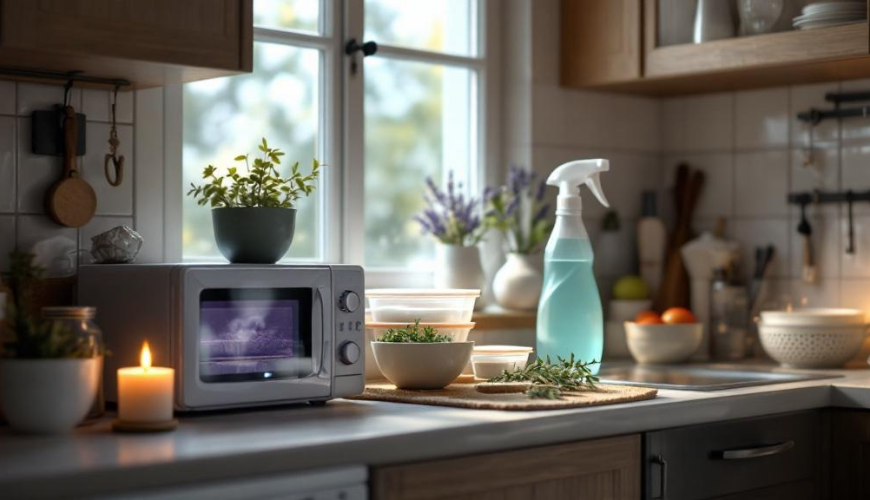
Imagine a typical morning in a Czech household. You get up, light a scented candle to make breakfast more pleasant. Then you wash the dishes with a liquid detergent full of synthetic surfactants, mop the floor with an all-purpose cleaner with a strong "fresh ocean" fragrance, and finally heat up your lunch in a plastic container in the microwave. None of these activities seems dramatic. But that's precisely where the problem lies – it's a cumulative effect, meaning a gradual accumulation of small doses of substances that the body has to process day after day, year after year.
Try our natural products
7 Things in the Household That Unnecessarily Burden Your Health
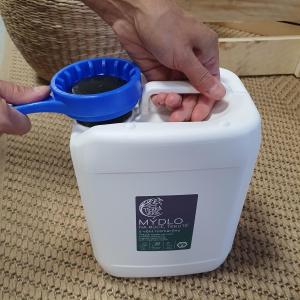
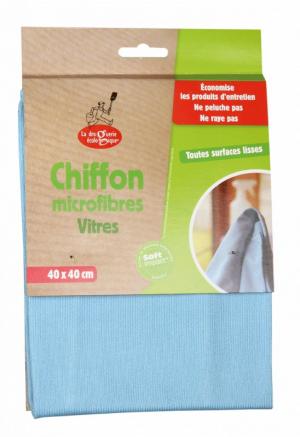
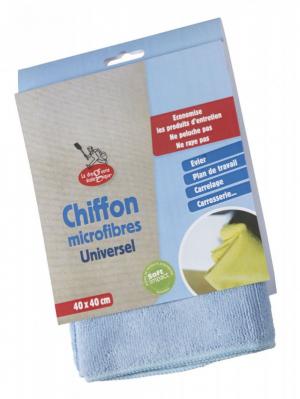
The first of these are conventional cleaning products. Common products for washing, cleaning, and disinfecting contain a whole range of synthetic chemicals – from phosphates to chlorine to aggressive surfactants. These substances don't just evaporate into thin air after use. They remain on surfaces we touch, are released into the air we breathe, and are flushed into water that we then drink again. A study published in the American Journal of Respiratory and Critical Care Medicine showed that regular use of chemical cleaning sprays can have an impact on the lungs comparable to smoking twenty cigarettes a day. This is an alarming finding that should give everyone pause for thought. What can be done about it? Switching to eco-friendly cleaning products with a natural base is easier today than ever before. Many of them work just as effectively while burdening neither health nor the environment.
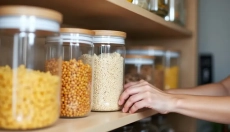
The second major topic is plastics in the kitchen, especially when in contact with heat. Plastic containers, wraps, and disposable packaging are ubiquitous in Czech households. The problem arises when plastic is heated – whether in a microwave, dishwasher, or simply by pouring hot soup into a plastic bowl. When heated, plastics release substances such as bisphenol A (BPA) and phthalates, which function as endocrine disruptors – meaning they interfere with the hormonal system. The European Food Safety Authority (EFSA) significantly tightened safety limits for BPA in 2023, which only confirms the growing concerns of the scientific community. The solution is relatively simple: replace plastic containers with glass or stainless steel ones, swap cling film for beeswax wraps, and replace disposable bags with reusable alternatives.
The third item on the list is synthetic air fresheners and scented candles. The scent of home is important to many people – and there's nothing wrong with that. The problem arises when this scent is provided by products full of synthetic fragrances, phthalates, and in the case of cheap candles, paraffin wax, which releases toluene and benzene when burned. Both of these substances are classified as carcinogenic. Yet there are excellent alternatives – candles made from soy or beeswax, essential oils in a diffuser, or simply fresh herbs on the windowsill. Lavender, rosemary, or mint can naturally fragrance a space and, moreover, have proven relaxation effects.
The fourth thing worth reducing is the excessive use of antibacterial products. It may sound paradoxical, but an exaggerated effort to keep the household sterile can actually harm health. Antibacterial soaps and gels often contain triclosan and similar substances that not only disrupt the skin's natural microflora but also contribute to the development of resistant bacteria. The immune system, especially in children, needs a certain level of contact with microorganisms to develop properly – this principle is known in immunology as the hygiene hypothesis. Quality natural soap and routine hygiene are perfectly sufficient for a healthy household.
The fifth area that is often overlooked is indoor air quality and dust. Household dust is not just an aesthetic problem. It contains a mixture of dead skin cells, dust mites, pollen, but also chemical residues from furniture, carpets, and electronics. Substances such as formaldehyde, which is released from cheap particleboard furniture, or brominated flame retardants from electronics and mattresses, settle precisely in dust. Regular ventilation, using a vacuum cleaner with a HEPA filter, and choosing furniture made from solid wood or certified materials can significantly improve the situation. As the architect and visionary Buckminster Fuller once aptly remarked: "Pollution is nothing but the resources we are not harvesting."
The sixth factor is synthetic bedding and textiles. We spend a third of our lives in bed, yet few people pay attention to what their bedding is made of. Synthetic materials such as polyester can contain residues of chemical dyes and finishing agents, poorly regulate moisture and heat, and in more sensitive individuals can trigger skin reactions or worsen sleep quality. Switching to organic cotton, linen, or bamboo is an investment that pays off in the form of better rest and less strain on the skin. Moreover, natural textiles usually have a longer lifespan, so in the long run, they don't necessarily have to be more expensive.
Finally, the seventh thing that unnecessarily burdens health in households is poor-quality drinking water from the tap – or rather, what gets into it on the way to your cup. Czech tap water is generally high-quality and regularly monitored, but older plumbing systems in buildings can release heavy metals into the water, particularly lead and copper. In addition, residual chlorine used for disinfection is commonly found in tap water. A simple countertop filter or a filtration system attached to the faucet can significantly reduce these unwanted contaminants and improve not only the taste but also the safety of the water you drink every day.
What to Reduce in the Household and Where to Start
The list of seven problematic areas may seem daunting, but the key is to realize that nobody has to change everything at once. It is precisely gradual, thoughtful steps that represent the most sustainable approach to a healthier household. You can start where it's easiest and most visible – for example, by swapping cleaning products for eco-friendly alternatives or getting glass containers for food storage.
An interesting example can be the experience of the Novák family from Brno, who two years ago decided to gradually "cleanse" their household of unnecessary chemicals. They started by replacing their conventional dish soap with a natural alternative and swapping plastic lunch boxes for stainless steel ones. Over the course of several months, they added eco-friendly laundry gel, soy candles, and a water filter. "We weren't expecting any miracles," they describe, "but after a few months, we noticed that the children had fewer colds, slept better, and we stopped being bothered by dry skin on our hands." Of course, this isn't scientific proof, but such personal experiences are valuable motivation for others.
This is also where the economic aspect comes into play, which discourages many from making changes. Eco-friendly and natural products tend to appear more expensive at first glance than their conventional counterparts. But upon closer inspection, it turns out that concentrated natural cleaners last longer, quality textiles don't need to be replaced as often, and preventing health problems is always cheaper than treating them. Moreover, growing demand for sustainable products is driving prices down and expanding the range of options, so today it's no problem to find affordable alternatives in practically all the categories mentioned.
The psychological dimension of the whole matter is also worth considering. The moment a person realizes everything in their household that unnecessarily burdens their health, it can initially trigger anxiety or a feeling of helplessness. But the opposite should be true – it's an opportunity to take control of your environment. Every small change, every replaced product is a step in the right direction. And what's important: it's not about perfection, but about a conscious approach to what we surround ourselves with.
Home should be a place that strengthens us, not weakens us. All it takes is looking around your own kitchen, bathroom, or bedroom with slightly different eyes – and you may find that some changes are simpler than you expected. And who knows, in a few months you might be wondering why you didn't start sooner.