

# When Is Children's Aggression Normal and When to Consider a Specialist
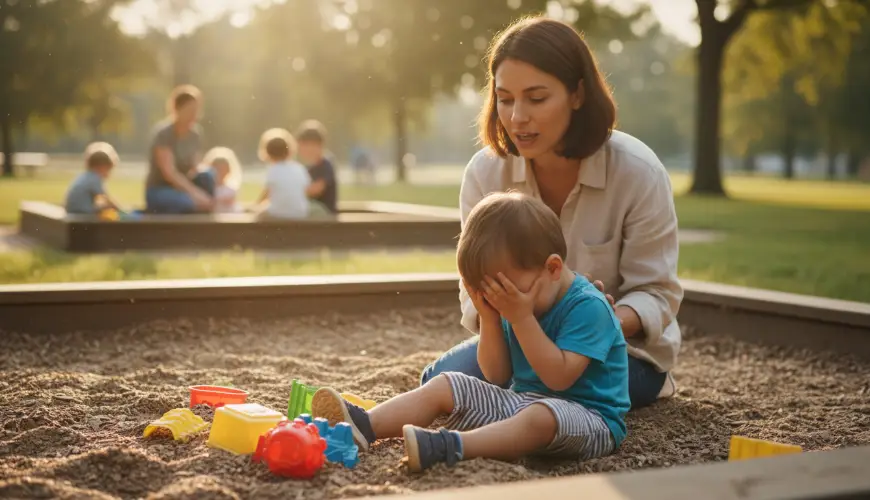
Every parent knows it – that moment when their beloved child unexpectedly hits a friend in the sandbox, throws a toy on the ground, or rolls around on the floor in a fit of rage while passersby cast glances of silent disapproval. Such situations are unpleasant, embarrassing, and exhausting. Yet aggressive behavior in children is one of the most common topics that parents bring to pediatricians and psychologists. The key question, however, is: when is childhood aggression a natural part of development, and when does it signal something that deserves professional attention?
The answer is neither simple nor straightforward. It depends on the child's age, the intensity and frequency of the behavior, and the context in which it occurs. Understanding what lies behind aggressive behavior is the first step toward enabling parents to respond effectively – without unnecessary panic or, conversely, dismissing the problem.
Try our natural products



Aggression as a Natural Part of Child Development
Young children do not have a fully developed ability to regulate emotions. The part of the brain responsible for self-control, planning, and impulse management – the prefrontal cortex – does not fully mature in humans until around the age of twenty-five. This means that from toddlerhood through adolescence, children are literally neurologically ill-equipped to handle frustration, disappointment, or anger the way we adults can. And even we adults sometimes fail at this.
In toddlers between the ages of one and three, aggression is almost inevitable. A child of this age cannot yet name their feelings, lacks sufficient vocabulary, and is unable to understand another person's perspective. Biting, scratching, hitting – these are forms of communication for them, not deliberate attempts to cause harm. Research shows that physical aggression in children peaks between the second and third year of life and naturally declines with age as the child acquires language and social skills. A Canadian study by developmental psychologist Richard Tremblay, for example, demonstrated that most children go through a phase of physical aggression and most of them overcome it without any intervention.
Preschool children between the ages of three and six already understand basic social rules, but still struggle with impulsivity. Conflicts over toys, places in line, or an adult's attention are entirely common. This age also sees the emergence of so-called relational aggression – causing harm through relationships, for example by excluding someone from a play group or saying "I'm not talking to you." This form is more typical of girls, although it naturally occurs in both sexes.
School age brings new challenges. Children encounter competition, evaluation, and peer pressure. Occasional outbursts of anger or verbal conflicts are still part of normal development. What matters is whether the child is able to assess the situation after a conflict, apologize, and learn from it.
Adolescence is then a chapter unto itself. Hormonal changes, the search for identity, the pressure of social media – all of this can lead to increased irritability, conflicts with authority figures, and peer friction. Mild rebellion and defiance are actually healthy at this age – they indicate that the adolescent is building their own identity separate from the family.
When Aggression Ceases to Be Developmental and Becomes a Problem
The boundary between developmentally normal behavior and behavior that deserves attention is not always clear-cut. However, there are certain warning signs that parents should not overlook.
The first is intensity and frequency. If a child explodes several times a day, if their outbursts are disproportionately intense compared to peers, or if the aggression persists longer than is typical for their age, it is worth examining the situation more closely. A one-time incident in the sandbox is something very different from systematically attacking classmates every day.
The second signal is intentionality and targeting. Impulsive aggression born of frustration is different from behavior in which a child plans how to hurt someone or takes pleasure in the pain they have caused. If a child hurts those who are weaker, animals, or younger siblings while showing satisfaction in doing so, this is a serious warning sign.
The third factor is the impact on everyday functioning. If aggressive behavior disrupts school attendance, friendships, family relationships, or the safety of the child and those around them, it is time to act. As child psychiatrist Bruce Perry puts it: "Behavior is always communication. The question is not how to stop the child, but what they are trying to tell us."
Parents sometimes describe situations where their seven-year-old destroys things in their room every morning before school, attacks a younger sibling, or refuses to go to class and responds physically to any attempt to redirect them. Such behavior – unlike an occasional tantrum – clearly signals that the child needs help that parents alone cannot provide.
A wide range of causes can underlie aggressive behavior. Anxiety disorders in children very often manifest precisely as aggression rather than sadness or fear, as many might expect. Attention deficit hyperactivity disorder (ADHD) brings impulsivity that can easily spill over into physical conflicts. Autism spectrum disorders can cause sensory overload and frustration from misunderstanding social situations. Trauma – whether from parental divorce, the loss of a loved one, or bullying – very often manifests as aggressive behavior. And last but not least, the family environment can play a role: children who witness violence or experience highly authoritarian or, conversely, completely inconsistent parenting adopt aggressive patterns as learned strategies.
How to Respond and When to Seek Professional Help
A parent's response to a child's aggressive behavior plays a crucial role in whether the situation improves or worsens. Punishment through physical violence – paradoxically – demonstrably intensifies aggression, because it tells the child that the stronger person has the right to strike the weaker one. Equally ineffective is ignoring repeated aggressive behavior in the hope that it will "pass on its own."
What does work, on the other hand, is consistent, calm boundary-setting with clear consequences. A child needs to know what is and is not acceptable, and they need to hear this repeatedly, predictably, and without hysteria. Naming emotions also helps – teaching a child that "you're angry right now because someone took your toy" is the first step toward the child being able to identify and manage their own feelings. Physical activity, adequate sleep, and a structured daily routine have a greater impact on emotional regulation than many parents realize.
However, if home strategies are not helping, or if aggressive behavior is worsening, seeking professional help is the right step – and there is no reason to be ashamed of it. The first point of contact can be a pediatrician or family doctor for children and adolescents, who can rule out medical causes and refer to another specialist. A child psychologist or psychotherapist can work with the child on developing emotional skills and uncovering deeper causes of the behavior. In cases of more serious difficulties where a psychiatric diagnosis is suspected, a visit to a child psychiatrist is appropriate.
There are situations where action must be taken without delay:
- the child repeatedly physically attacks others or themselves
- the aggression involves the use of weapons or objects to cause harm
- the child talks about wanting to hurt others or themselves
- the behavior escalates despite consistent parenting efforts
- the child shows signs of depression, anxiety, or marked isolation
Early intervention is key. The sooner a child learns to manage emotions in healthy ways, the lower the risk that aggressive patterns will persist into adulthood. Research consistently shows that children who received timely support have significantly better outcomes in terms of relationships, academic performance, and mental health in adulthood. The World Health Organization emphasizes that prevention and early intervention are the most effective tools for addressing aggression problems in children.
It is also important to note that seeking professional help is not an admission of parental failure. On the contrary – it is an expression of responsibility and love. Just as we would not hesitate to take a child to the doctor for a broken leg, we should not hesitate when a child needs help with what is happening on the inside.
Childhood aggression is a topic that deserves attention without stigma and without overreaction. Most children will go through their explosive phases and grow up to be emotionally healthy individuals – especially when they have adults around them who understand them, believe in them, and know when it is time to ask for help.