

Antibacterial cleaning agents are not always necessary, as regular cleaning is often more effective.
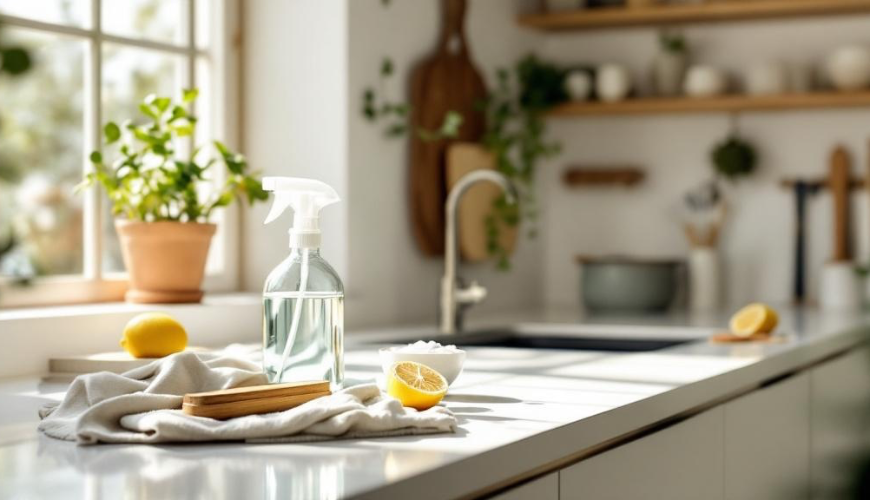
The household is often the last place where people want to take risks. It's no wonder that words like "hygiene," "disinfection," and especially "antibacterial" have become staples in bathrooms and kitchens. Advertisements promise peace of mind: with one press of a spray, the invisible threat disappears, and the home becomes "bacteria-free." But this raises an important question: are antibacterial cleaning agents really necessary at home, or are they becoming a habit that takes more than it gives?
In everyday life, most households don't need to function like an operating room. On the contrary, excessive efforts towards sterility can be unnecessary and even harmful, both for people's health and the environment they live in. This doesn't mean giving up on cleanliness. It means returning to reason: knowing when it makes sense to disinfect, when regular cleaning is enough, and why it's worth opting for gentler solutions.
Try our natural products
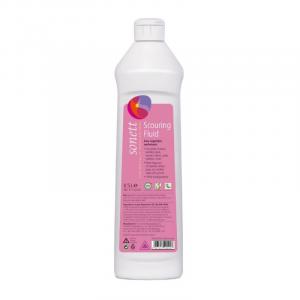
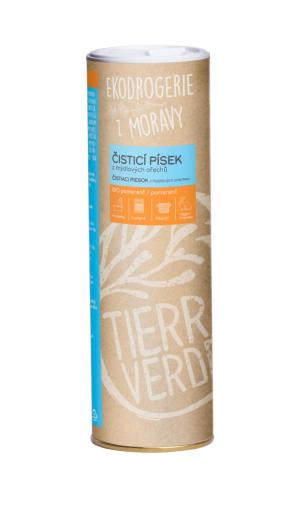
Bacteria in the Household Are Not Automatically the Enemy
Bacteria are often described as something that needs to be eradicated. In reality, the world of microorganisms is much more diverse. Most bacteria are harmless, and many are even beneficial, whether in nature or the human body. Modern views on health increasingly acknowledge that humans are in constant contact with microbes and that natural exposure to common microorganisms is a normal part of life.
This doesn't mean ignoring hygienic practices. It means recognizing the difference between regular cleaning (removing dirt, grease, food residues) and targeted disinfection (eliminating specific pathogens in specific situations). In households, these two approaches are often confused, creating room for the overuse of antibacterial and "strong" agents.
The basic understanding is simple: many infections don't spread from a perfectly cleaned floor, but from hands, touch surfaces, and improper food handling. Therefore, in practice, regular hand washing, proper handling of raw meat, and ventilation are often more effective than daily spraying of the bathroom with an "antibacterial" spray.
Those seeking a quick reference framework may notice that authoritative sources emphasize hand hygiene and targeted disinfection in specific situations. For example, recommendations for home hygiene and disinfection in the context of infections are summarized by the CDC – Centers for Disease Control and Prevention, distinguishing "cleaning" and "disinfecting" as two distinct steps with different purposes.
Why Not Use Antibacterial Cleaning Agents All the Time at Home
Antibacterial cleaning agents sound like a universal certainty, but their widespread and routine use has several caveats that typically don't appear in advertising slogans. Primarily: not every "antibacterial" label means a better outcome, and certainly not for regular cleaning.
One issue is that "stronger" often also means more irritating. Frequent use of aggressive products can worsen indoor air quality, irritate respiratory tracts and skin, and increase the risk of eczema or uncomfortable reactions in more sensitive individuals. In a household where chemically strong products are regularly sprayed and wiped, "cleanliness" can be felt with the first breath – but this feeling sometimes comes at the cost of lingering volatile substances that no one actually wants.
Another dimension is ecological. What gets washed down the drain doesn't end up in a vacuum. Some substances can enter the aquatic environment and burden wastewater treatment plants. Simply put: a household isn't an isolated bubble, and its choices have effects beyond the apartment walls.
Then there's the aspect that's increasingly talked about: microorganism resistance. It's not that every cleaning with an antibacterial spray automatically "creates superbugs." But the widespread use of antimicrobial agents where it's not necessary is generally considered one of the factors contributing to the broader issue of antimicrobial resistance. The World Health Organization has long marked this as one of the greatest risks to public health; the context and connections are summarized by WHO on antimicrobial resistance.
An important practical paradox is that a too "antibacterial" household can lead to a false sense of security. Relying on a spray can make it easy to overlook basic hygiene – like the fact that a dish sponge becomes a "biotope" after a few days of use and needs replacing or washing, or that the most risky items are handles, phones, and cutting boards. A clean home isn't the one that smells most of chemicals, but the one where simple habits are set smartly.
An older but often cited perspective from the field of regulation and safety also reminds us that antibacterial components in some consumer products may not provide any proven benefit over regular washing. For instance, the FDA in the USA addressed the question of effectiveness and safety of antibacterial soaps (a different category than cleaners, but similar logic) and pointed out that regular soap and water are generally sufficient for everyday hygiene.
All of this together explains why using strong cleaning agents as a default choice is unnecessary and even harmful. Not because "chemicals" are automatically bad, but because strength should have a reason.
"Cleanliness is not the same as sterility – and a household doesn't need to be sterile to be safe."
Real Example: When "Antibacterial" Creates More Work
A typical scenario in practice: a family with small children begins to "tighten up" after winter – antibacterial spray for the kitchen counter, another for the bathroom, disinfectant wipes for every little mess. After a few weeks, someone notices that the child has dry hands, and eczema has worsened in an adult. Moreover, there's a mix of scents lingering in the apartment even after airing. And the most ironic part: the rate of illness hasn't significantly changed, because the most common viruses are spread by droplets and contact, not because the floor wasn't "antibacterial" enough.
At this point, it's often found that a simpler regime is more effective (and pleasant): a regular cleaner for grease, mechanically wiping off dirt, regular washing of cloths, occasional targeted disinfection where it makes sense, and above all, thorough hand washing at key moments.
Are Antibacterial Agents Necessary? Yes – but Only Sometimes
A meaningful question isn't whether antibacterial agents exist, but when to use them in the household and when not to. Disinfection is a useful tool when there is a specific risk and a specific goal. In a typical week, it often means less than people think, but in certain situations, it is reasonable not to skip it.
Typically, it makes sense to use a disinfectant/antibacterial product when:
- someone in the household is experiencing an infectious illness (especially diarrheal diseases, vomiting, some respiratory infections) and it's necessary to specifically treat frequently touched surfaces,
- there's contamination with biological material (vomit, blood) and caution is needed,
- dealing with a specific high-risk situation (such as a household with a person with significantly weakened immunity, upon doctor's recommendation),
- there was risky contact with raw meat in the kitchen, and it's necessary to thoroughly treat the cutting board, knife, and surface (often, even here, hot water, detergent, and mechanical washing help; disinfection is more of a supplement in situations where contamination is suspected).
The key word is targeted. Disinfection should be like a fire extinguisher: useful when needed, but there's no reason to "spray" the entire apartment with it preventively.
On the contrary, in most common situations, ordinary products and simple habits suffice. Kitchen counter after cooking? Usually, warm water, a mild dish detergent, and a cloth will do the trick. Bathroom after a shower? Regular ventilation, a water squeegee, and a gentle limescale cleaner often work best, as the problem is usually limescale and mold from moisture, not a "lack of antibacterial power."
Interestingly, even those trying to "disinfect" the entire apartment often miss the mark: disinfection doesn't work well over dirt or grease layers. First, the surface must be cleaned, only then does disinfection make sense. In practice, this means that a "strong antibacterial spray" used in one step may be less effective than thorough regular cleaning.
When It's Better to Skip Antibacterial Products
If the goal is regular household maintenance, antibacterial products are often more marketing than necessity. It's usually unnecessary to:
- disinfect floors, toys, or common surfaces daily without a specific reason,
- use "antibacterial" sprays instead of regular washing of textiles (cloths, towels, rags),
- constantly switch between various "strong" products, creating an aggressive cocktail of scents and fumes.
Naturally, a rhetorical question arises: how much "antibacterial power" is needed for an ordinary crumb on the table? Usually none – just wipe it, wash it, dry it. And by the way, this also denies bacteria what they need most: food leftovers and moisture.
Why Overusing Strong Cleaning Agents Is a Dead-End (and What to Do Instead)
Strong agents have their place – for really stubborn grease, clogged drains, or specific situations. The problem arises when they become the automatic choice. Then several things often happen simultaneously: the household is chemically overburdened, surfaces can suffer (dulling, damaging protective layers, fading), people frequently deal with skin irritation, and paradoxically, more cleaning is done because aggressive agents can "open" some materials, making dirt stick more easily.
It's much more practical to think of cleaning as a combination of three simple principles: mechanics, time, and the right agent. Mechanics means wiping and removing dirt (cloth, brush, sponge). Time means letting the agent work for a while instead of immediate scrubbing. And the right agent means choosing one that addresses a specific problem – grease, limescale, burnt residues – and not "everything always."
In households, even small things that sound banal but work often prove useful: regular ventilation against moisture, drying surfaces in the bathroom, replacing sponges, washing cloths at higher temperatures, separate cutting boards for raw meat and vegetables. These are steps that reduce risk without resorting to heavy artillery.
And when disinfection is needed, it's good to follow the instructions and not overdo it: the correct concentration, the right duration of effect, and above all, not confusing "the scent of cleanliness" with hygiene. A clean home is recognized more by being easy to breathe in and that cleaning isn't a battle, but a routine that makes sense.
In recent years, more and more people are returning to seeking agents that are gentler on the skin and the environment – ones that manage regular operation without burdening the household with unnecessary chemicals. In the context of a healthy lifestyle and an eco-friendly household, this isn't a trend for trend's sake, but a quite rational choice: less aggressive doesn't mean less effective if cleaning is done smartly and regularly.
Ultimately, it comes down to a simple balance. Home should be safe but also livable – a place where cooking, living, playing, and relaxing happen. Sometimes the greatest hygienic victory is surprisingly simple: open a window, wash hands, and not confuse healthy respect with everyday fear of bacteria.