

Beautiful skin as a result of healthy daily habits

Imagine looking in the mirror one morning and seeing, instead of a cosmetic flaw or a tired day, something deeper – a true reflection of how you live. Skin is not merely a surface matter. It is a living, dynamic organ that responds to every decision you make throughout the day – from what you eat for breakfast, to how you handle stress at work, to whether you get enough sleep. In this sense, skin is literally a mirror of your lifestyle: faithful and impartial.
Dermatologists know this well. Experts from the American Academy of Dermatology repeatedly point out that many skin problems patients consider cosmetic actually have deep roots in their way of life. Acne, premature wrinkles, eczema, loss of elasticity – all of these can be signals that the body needs different care than what we are currently giving it.
Try our natural products
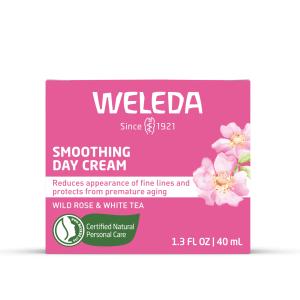
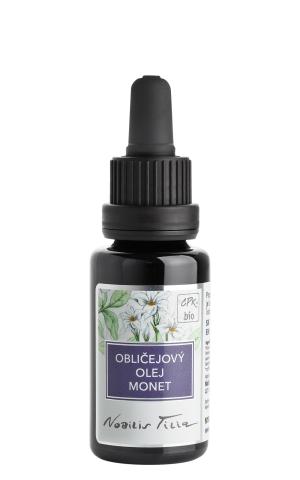


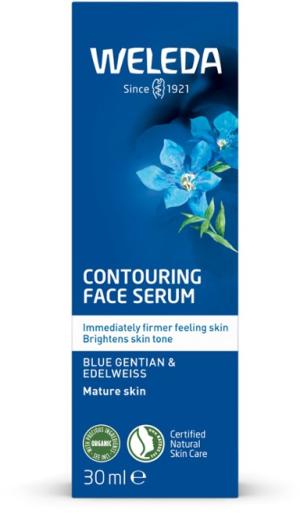
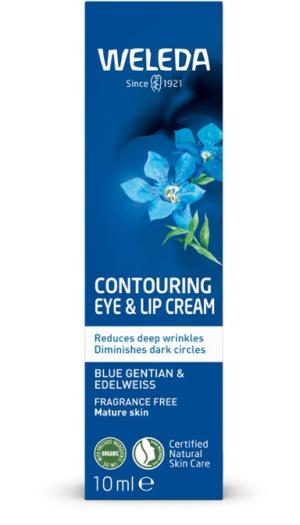
What skin reveals about how we live
Let us start with the most fundamental factor: diet. What we eat shows up on our skin sooner than many people realise. A diet rich in industrially processed foods, refined sugar and saturated fats triggers inflammation in the body, which manifests very quickly on the skin. Research published in the Journal of the Academy of Nutrition and Dietetics confirms a direct link between a high glycaemic index diet and the occurrence of acne – not only in teenagers, but also in adults.
At the other end of the spectrum is a diet full of antioxidants, healthy fats and vitamins. Omega-3 fatty acids found in fish, flaxseed or chia seeds help keep the skin barrier firm and hydrated. Vitamin C, found in peppers, citrus fruits or broccoli, is essential for collagen synthesis – the protein that gives skin its firmness and elasticity. It is no coincidence that people who follow a varied, plant-based diet over the long term tend to have more balanced and radiant skin. Their skin simply gives it away.
Equally telling is the effect of hydration. Skin makes up approximately 15% of body weight and needs sufficient fluids to function properly. Chronic dehydration manifests as fine lines, loss of elasticity and a dull complexion. Interestingly, many people reach for expensive moisturising creams without drinking enough water. Yet no cosmetic product can fully replace what the body is lacking from within.
Sleep is another factor that skin does nothing to conceal. During deep sleep, the body produces growth hormone, which triggers cell renewal and the repair of damaged tissue. If a person sleeps fewer than seven hours a night, this process is shortened and the skin does not have enough time to regenerate. The result is visible dark circles under the eyes, pallor, and slower healing of minor injuries. As neuroscientist and author of Why We Sleep, Matthew Walker, aptly put it: "Sleep is the most effective medicine we have available, and yet most of us ignore it."
Stress, environment and the hidden causes of skin problems
Modern life brings with it chronic stress, and skin responds to it very sensitively. When a person is under pressure, the body releases cortisol – the stress hormone – which, among other things, increases sebum production, disrupts the skin barrier and slows healing. People with chronic stress suffer more frequently from acne, psoriasis or eczema. This is not a weakness or a coincidence – it is physiology.
Consider an example from everyday life: a young woman working in a demanding corporate environment notices that every month, before an important presentation or project deadline, spots break out on her face. She visits a dermatologist, receives a cream, but the problem recurs. It is only when she starts practising yoga regularly, cuts back on overtime and incorporates a short meditation into her day that her skin calms down. The cream was merely a plaster – the real change came from within.
Movement and physical activity play an irreplaceable role in this context. Regular exercise improves circulation, and with it the supply of oxygen and nutrients to the skin. It also helps regulate stress hormone levels and supports sleep quality. Research shows that in people who exercise regularly, skin is biologically younger than in their sedentary peers – and this is evident not only to the naked eye, but also under microscopic examination of skin cells.
We must not overlook the influence of the environment in which we live. Polluted air, UV radiation, cigarette smoke and chemicals in everyday products – all of these leave their mark on the skin. Free radicals generated by pollution damage collagen and elastin, accelerate ageing and can contribute to the development of skin conditions. Studies published in the Journal of Investigative Dermatology show that residents of cities with higher levels of air pollution demonstrably have more wrinkles and pigmentation spots than people living in rural areas.
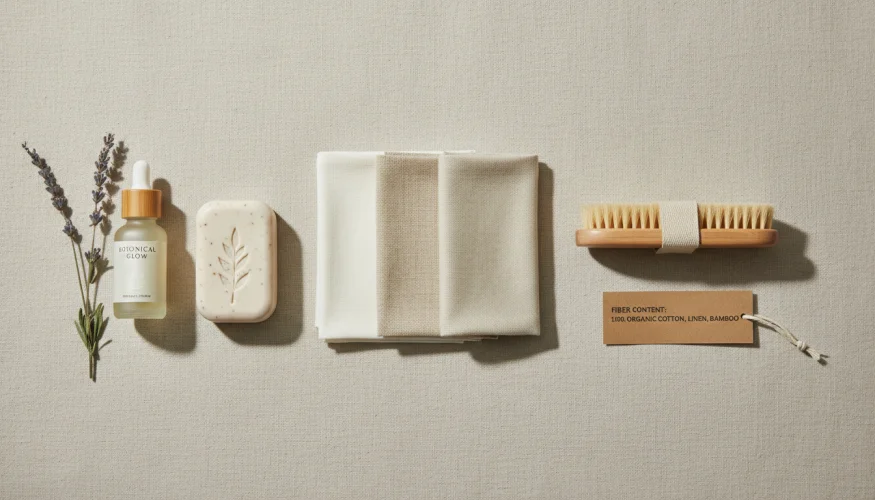
This is precisely where the choice of products we use comes into play. Conventional cosmetics contain a range of substances – parabens, synthetic fragrances, phthalates – whose long-term impact on health is still the subject of research. Switching to natural and ecological cosmetics is not merely a fashion trend; for many people with sensitive or reactive skin, it brings genuine relief. Skin as a mirror of lifestyle shows us that it matters not only what we eat and how we sleep, but also what we use to care for our complexion.
The choice of clothing is similarly important. Synthetic fibres such as polyester or nylon can impede natural air circulation, cause irritation and overheat the skin. Natural materials, on the other hand – cotton, linen, bamboo or wool – are gentler on the skin and allow it to breathe. Sustainable fashion made from natural materials is therefore not merely a matter of ecology, but also of everyday comfort and skin health.
How to start listening to your skin's signals
Skin speaks – you simply need to learn to listen to it. Dry, flaky skin may signal a lack of healthy fats or vitamin D. A yellowish tinge can be a sign of liver problems. Sudden rashes or hives may point to a food intolerance or allergy. Of course, not every skin problem is a direct consequence of a poor lifestyle – genetics, hormonal changes and the immune system also play their part. But in many cases, skin is the first place where the body makes itself heard.
A practical approach to better skin therefore does not begin at the pharmacy or the dermatologist's office, but with everyday decisions. It is worth reflecting on several areas:
- Diet: Include more vegetables, fruit and healthy fats, and reduce sugar and industrially processed foods.
- Hydration: Drink at least 1.5 to 2 litres of plain water daily, ideally more during physical activity.
- Sleep: Allow yourself 7 to 9 hours of quality sleep and maintain a regular rhythm.
- Movement: Regular physical activity at least three times a week has demonstrable benefits for skin and overall health.
- Skincare: Choose natural cosmetics free of unnecessary chemicals, suited to your skin type.
- Clothing: Prefer natural materials that allow the skin to breathe.
These steps are not a revolution – they are a natural return to what our bodies need. And the results will follow. Not overnight, but gradually and lastingly.
It is also important to mention the role of solar radiation. Ultraviolet radiation is one of the most powerful external factors in premature skin ageing. Regular use of SPF protection – even during winter months or on overcast days – is among the most effective steps anyone can take for their skin. And it is a step that is accessible to everyone and requires no significant investment.
A holistic view of skin that connects nutrition, movement, sleep, mental wellbeing and the choice of products is not alternative medicine. It is an approach that is increasingly being adopted by conventional dermatology under the term "holistic dermatology". Experts such as Dr. Whitney Bowe, an American dermatologist and author of The Beauty of Dirty Skin, argue that the future of skincare lies precisely in understanding these interconnections.
Skin as a mirror of lifestyle thus invites us to care for ourselves in a comprehensive way – not in order to look good in photographs, but because healthy skin is the natural result of a healthy and balanced life. Every day we have the opportunity to either deplete or nourish our skin. And it will always faithfully reflect that back to us.