

Find out why it pays to invest in quality cookware
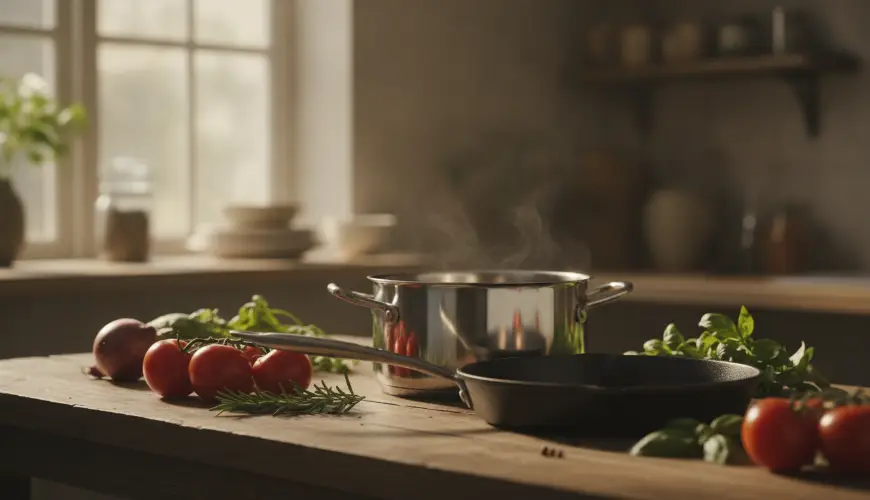
Every person who has ever experienced a cheap pan cracking in the middle of cooking Sunday lunch, or scraping burnt food from a surface that promised to be non-stick, knows exactly what this is about. Cookware is one of those items where the temptation to save money is enormous – after all, it's just pots and pans, right? Yet this very logic leads many households to repeatedly waste money on cheap pieces that barely last a season. Investing in quality cookware is one of the smartest decisions you can make in the kitchen – and the benefits extend far beyond mere durability.
Take Markéta, a thirty-year-old teacher from Brno, as an example. Every two years she would buy a new set of pots from a chain store for a few hundred crowns. After five years, she calculated that she had spent over four thousand crowns on cookware in total – and had never been satisfied with her cooking results. Food would burn, lids wouldn't fit properly, and the handle on one pot came so loose it nearly caused an accident. When she finally decided to invest in a quality stainless steel set with a multi-layer base, she found that she cooked better, faster, and with greater pleasure. She is still using the pots today – and this is already the fifth year.
Try our natural products


The economics of common sense: what cheap cookware really costs you
The seemingly low price of cheap cookware is one of the greatest illusions of the consumer world. When you buy a pan for two hundred crowns, it may seem like you've saved money. But what happens after a year when the surface starts to peel, after two years when the pan stops distributing heat evenly, or after three years when you simply throw it away and buy a new one? The cost per kilogram of waste plastic and metal grows with each such replacement – and that's not even mentioning the environmental footprint that such manufacturing leaves behind.
Quality cookware from reputable manufacturers, such as De Buyer, Le Creuset or Fissler, falls into a different price category, but its lifespan is measured in decades, not seasons. A well-maintained cast iron pan can literally last a lifetime – and be passed down from generation to generation. This approach is entirely in line with the philosophy of slow consumption, which is the foundation of a sustainable lifestyle. Instead of repeatedly buying and discarding, you invest once and invest well.
Economists call this phenomenon "cost per use." If you throw away a 200-crown pan after a hundred uses, you paid 2 crowns for each cooking session. If you use a 2,000-crown pan a thousand times, each cooking session also costs you 2 crowns – except that the quality pan actually works properly throughout its entire lifespan and doesn't burden the environment with repeated manufacturing.
The natural question is: where is the line between a sensible investment and unnecessary extravagance? The answer is not straightforward and depends on how often you cook, what you cook, and what type of stove you have. However, a general rule applies: the more you use your cookware, the more worthwhile it is to invest in its quality.
Even heat distribution is one of the most important properties that determines the outcome of cooking. Cheap pots with thin bases create so-called hot spots – areas where heat concentrates and where food burns, while the rest of the base remains cooler. Quality cookware with a multi-layer or sandwich base distributes heat evenly across the entire surface, which means sauces don't stick, rice doesn't cook unevenly, and meat fries without the risk of burning. For anyone trying to cook healthily and deliciously, this is a fundamental difference.
Health, safety, and the materials that matter
The topic of health is increasingly relevant in connection with cookware. In recent years, the attention of experts and consumers has turned to the materials from which cookware is made – and the results are not always reassuring. Cheap non-stick pans may contain chemical substances from the PFAS group (per- and polyfluoroalkyl substances), which are associated with various health risks. The European Chemicals Agency (ECHA) has been intensively monitoring the presence of these substances in common consumer products in recent years, and discussions about their regulation are growing stronger.
In contrast, materials such as stainless steel, cast iron, enamelled cast iron, or ceramics are considered safe and neutral – they do not transfer any undesirable substances into food. Quality manufacturers also comply with strict European standards and certify their products. When you buy cookware from a reputable brand, you can be certain that you know what it is made of and how it has been tested.
Cast iron deserves special mention. This material was the foundation of kitchen equipment for centuries, and its popularity has been returning in recent years – for good reasons. Cast iron excellently accumulates and distributes heat, is virtually indestructible, and with proper care its surface naturally becomes non-stick over time. "A well-seasoned cast iron pan is better than any Teflon surface," say chefs who work with it every day. Moreover, it can be used both on the stovetop and in the oven, making it a versatile tool for a wide range of recipes.
Enamelled cookware combines the advantages of cast iron with easier maintenance – the enamel-coated surface requires no "seasoning" and is easier to clean. Brands such as Le Creuset or Staub offer enamelled cast iron pots that are both aesthetically beautiful and functionally perfect. Their price is admittedly on the higher end, but customers who own them would generally not part with them for anything in the world.
Stainless steel, in turn, is an ideal choice for those seeking a lighter alternative with a long lifespan. A well-made stainless steel pan or pot with a multi-layer base can handle virtually everything – from sautéing vegetables to cooking soups and sauces. Stainless steel cookware is also resistant to acids, making it suitable for preparing tomato sauces or citrus desserts, where other materials might react with the food.
The choice of the right material naturally also depends on the type of stove. Induction hobs require cookware with a magnetic base – and not every cheap pot meets this requirement. Quality manufacturers routinely state the compatibility of their products with different types of stoves, so customers have clear information before making a purchase.
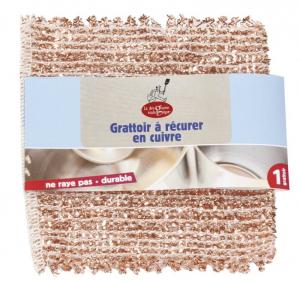
Caring for quality cookware is simpler than it might seem. Most stainless steel and cast iron cookware requires no special products – warm water, a mild washing-up liquid, and a soft sponge are sufficient. Avoiding aggressive steel wool and abrasive cleaning products is a basic rule that applies to almost all types of cookware. Cast iron also benefits from occasional treatment with oil, which maintains its natural non-stick surface.
Sustainable living and conscious consumption are topics that have been resonating ever more strongly in recent years – and the choice of cookware fits naturally into them. The decision to buy less but better is a concrete step towards a smaller ecological footprint. Fewer discarded pots means less waste, less manufacturing means fewer emissions and fewer raw materials consumed. This approach is summarised by philosophies advocated by organisations such as the Ellen MacArthur Foundation, which promotes the principles of the circular economy – a model of production and consumption that minimises waste and maximises product lifespan.
When we look at cookware through this lens, it ceases to be a mere kitchen tool and becomes part of a conscious decision about how we want to live and what we want to support. Choosing quality cookware from a manufacturer that adheres to ethical production standards, uses recyclable materials, and offers guarantees on their product is a small but meaningful step.
There is yet another aspect that is often overlooked in discussions about cookware: the joy of cooking. A good cook – whether a professional or an enthusiastic amateur – knows that the tools they work with influence not only the result but the process itself. Cooking with quality cookware is simply more enjoyable. A pan that feels good in the hand, heats evenly, and is easy to clean contributes to looking forward to being in the kitchen rather than avoiding it. And that is a value that is difficult to express in monetary terms.
It is no coincidence that experienced cooks – whether in professional restaurants or at home – regard investing in good cookware as an absolute given. Just as a painter doesn't work with poor brushes or a carpenter with blunt chisels, a good cook cannot achieve the best results with unsuitable equipment. Cookware is the fundamental working tool of the kitchen – and as such, it deserves appropriate attention and investment.
When selecting quality cookware, it is worth focusing on several key parameters:
- Material and its properties – stainless steel, cast iron, enamelled cast iron, and ceramics each have their specific advantages
- Thickness of the base and walls – a thicker base means more even heat distribution
- Compatibility with your stove – particularly important for owners of induction hobs
- Warranty and service – quality manufacturers stand behind their products and offer long warranties
- Material certifications – verify that the cookware meets European standards for food contact
Quality cookware is not a luxury for the privileged few – it is a smart choice for everyone who cooks regularly and wants to get the most out of every meal. It is a decision that is reflected in everyday cooking, in the health of the whole family, in the state of the household budget over the long term, and in the degree to which we burden the planet. Markéta from Brno would confirm this – and her pots, which are still going strong, are the best proof of all.