
Learn how to manage allergies in young children
Every parent wants their child to grow up healthy and without unnecessary suffering. But when the first signs of allergy appear – red eyes, a runny nose without a cold, a rash after eating, or persistent coughing – many families enter a challenging period full of questions, concerns, and searching for answers. Allergies in young children are today one of the most common health problems that paediatricians encounter, and their prevalence has been rising significantly in recent decades. According to data from the World Allergy Organization (WAO), approximately 30–40% of the world's population suffers from allergic diseases, with children being an increasingly affected group.
Why is this? The answers are complex and scientists are still searching for the precise causes, but one thing is clear: modern lifestyle, environment, and diet play a crucial role in the development of allergies. And that is precisely why it makes sense to think not only about treatment, but also about the family's overall approach to life.
Try our natural products
What childhood allergies actually are and how to recognise them
An allergy is a reaction of the immune system to substances that are completely harmless to most people. In young children, we most commonly encounter food allergies, allergies to pollen, dust mites, animal fur or moulds, and contact allergies manifesting on the skin. Food allergies are most common in early childhood – the most frequent triggers include cow's milk, eggs, peanuts, wheat, soy, tree nuts, and fish.
Parents often confuse an allergy with an intolerance or a common cold, which is understandable – the symptoms can overlap. The key difference is that an allergic reaction involves the immune system and can, in extreme cases, be life-threatening. Symptoms such as recurring runny nose without fever, itchy eyes, skin eczema, diarrhoea or vomiting after certain foods, wheezing, or hives should prompt parents to visit a doctor, ideally an allergist or a paediatrician with experience in this area.
Consider an example from everyday life: the mother of three-year-old Jakub noticed that every time her son ate yoghurt or drank a glass of milk, he complained of stomach aches and had diarrhoea. At first, she attributed it to overeating or a viral infection. Only after the situation repeated itself and she visited a doctor did it become clear that Jakub had an allergy to cow's milk protein – a condition that is fairly common in young children and can be well managed with the right approach.
Allergy diagnosis is established through a combination of medical examination, skin tests, or blood tests for specific IgE antibodies. Parents should not attempt self-diagnosis or unnecessarily eliminate entire food groups from their child's diet without professional guidance – this can lead to nutritional deficiencies, especially in a growing organism.
How to manage allergies in young children in everyday life
Once an allergy is confirmed, the real work begins – learning to live with it in a way that restricts the child and the whole family as little as possible. And this is not always easy. As world-renowned allergist and immunologist Professor Hugh Sampson has said: "The goal of allergy treatment is not just to suppress symptoms, but to help the child live a full life."
The first and most fundamental step is eliminating the allergen – the substance that triggers the reaction. For food allergies, this means carefully reading product labels, communicating with staff at nurseries and schools, and adjusting the family's diet. Modern health food shops, such as Ferwer, offer a wide range of products free from the most common allergens – gluten-free, lactose-free, or vegan alternatives that can significantly ease everyday cooking for a child with allergies.
For respiratory allergies – those caused by pollen, dust mites, or moulds – the situation is somewhat different, as it is not always possible to avoid the allergen entirely. Here, measures within the home environment play a key role. Regular ventilation, the use of anti-allergen bedding, reducing carpets and soft toys in the child's bedroom, or purchasing a quality air purifier with a HEPA filter can significantly reduce allergen exposure and improve the child's sleep quality and overall wellbeing. Choosing eco-friendly cleaning products without aggressive chemicals and synthetic fragrances is another worthwhile step – conventional cleaning products can further aggravate irritants.
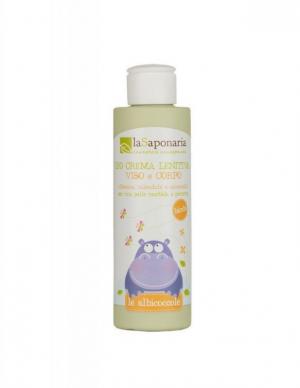
Proper skin care is also an important part of managing allergies. Children with atopic eczema, one of the most common forms of allergic disease in infants and toddlers, need regular skin moisturisation using hypoallergenic creams and ointments. Baths should not be too hot or too long, the water should be lukewarm, and soap should be replaced with gentle syndet bars free of fragrances. Clothing made from natural materials, such as organic cotton or bamboo, is tolerated much better by allergic skin than synthetics or materials treated with chemical additives.
Feeding an allergic child need not be restrictive – on the contrary, it can be an opportunity to discover new flavours and a healthier approach to food. If a child cannot have cow's milk, it can be replaced with quality oat, rice, or coconut milk. Instead of wheat flour, alternatives made from buckwheat, sorghum, or tapioca starch can be used. The key is a varied and balanced diet that ensures an adequate intake of all nutrients – and a nutritional counsellor or paediatric dietitian can help with this.
Nature, environment, and prevention: what matters in the long term
Managing allergies in children is not just about responding to acute symptoms. A growing body of research shows that the environment in which a child grows up and the family's overall lifestyle have a fundamental influence on how allergies develop and whether they develop at all. The hygiene hypothesis, which is today one of the most discussed theories in allergology, suggests that excessive hygiene and limited contact with natural microorganisms in early childhood may contribute to the development of allergies, because the immune system does not receive enough stimuli to calibrate correctly.
This does not, of course, mean that children should live in unhealthy environments. Rather, the point is that contact with nature, outdoor play, animals, and diverse environments is irreplaceable for a child's immune system. Walks in the forest, gardening, contact with soil and plants – all of these naturally stimulate immunity. Parents of allergic children should therefore not be afraid of nature, but should instead seek it out – naturally with regard to the specific allergens affecting the child and outside the main pollen seasons.
A mother's nutrition during pregnancy and breastfeeding also plays a demonstrable role. Research published in the medical journal The Lancet suggests that a varied diet rich in omega-3 fatty acids, probiotics, and fibre during pregnancy may reduce the risk of a child developing allergies. Breastfeeding is still considered one of the best ways to support the healthy development of a newborn's immune system.
When it comes to the home, choosing natural and eco-friendly products for child and household care as a whole makes great sense in the context of allergies. Synthetic fragrances, preservatives, and aggressive chemicals found in conventional washing powders, fabric softeners, or cleaning products can be a real problem for allergic children. Switching to natural alternatives – whether soap nuts, washing nuts, or certified eco-friendly products – is often one of the first steps taken by parents of children with eczema or asthma, and very often with positive results.
The psychological dimension is also significant. A child with allergies may experience frustration, a sense of being different, or fear – especially in a group setting where other children can eat things they cannot, or participate in activities that cause them difficulties. Open communication, age-appropriate explanations of the situation, and support from both parents and teachers are key in this regard. Many nurseries and schools today are very accommodating towards allergic children and are able to provide alternative meals or adapt the environment.
Parents should also remember to schedule regular medical check-ups. Allergies can change throughout childhood – some children outgrow food allergies (for example, allergies to cow's milk or eggs often resolve by school age in many children), while other allergies persist or new ones develop. Immunotherapy – treating the condition by gradually accustoming the immune system to the allergen – is today an available and, in appropriately selected patients, highly effective method worth discussing with an allergist.
Living with an allergy – whether as a parent or as a child – is certainly not easy. But with good information, the support of specialists, and thoughtful changes to everyday life, it is possible to significantly improve the quality of life for the whole family. Allergies need not be an obstacle to a happy and healthy childhood – they can instead serve as an impetus for a more mindful approach to diet, environment, and overall lifestyle that benefits every member of the family.