

How to easily reduce morning puffy eyes
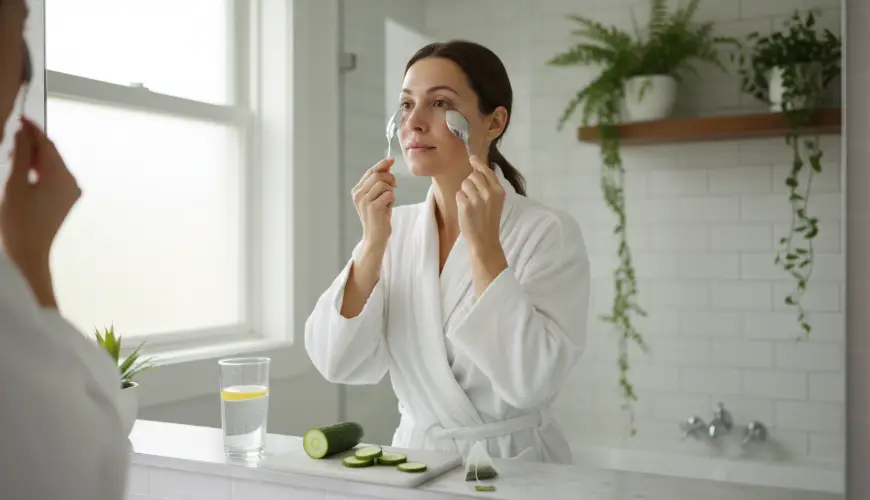
Getting out of bed in the morning and seeing puffy, tired eyes in the mirror – that's something almost everyone knows. Sometimes all it takes is one restless night, an extra glass of wine, or a little more salt in the evening meal, and the next morning your face looks like it's been through a tough boxing match. Although in most cases this is a completely harmless and temporary phenomenon, many people look for ways to reduce morning eye puffiness as quickly as possible or to prevent it altogether. The good news is that there are numerous tried-and-tested approaches – from simple home remedies to lifestyle changes that can have a long-term effect.
Before we dive into solutions, however, it's worth understanding why morning puffiness occurs in the first place. The skin around the eyes is one of the thinnest and most sensitive areas on the entire body – it is approximately four times thinner than the skin on the rest of the face. That is precisely why it is so prone to fluid retention. During sleep, the body rests and the lymphatic system, which under normal circumstances drains excess fluid from the tissues, works more slowly. The result is that fluid accumulates around the eyes and manifests as visible puffiness in the morning. Body position also plays a role – if we lie flat all night, gravity cannot drain fluids as effectively as when we are upright.
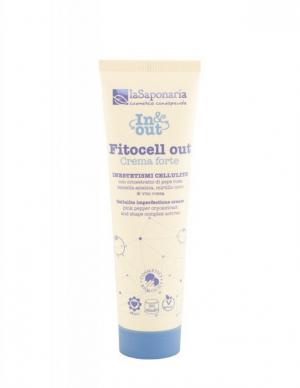
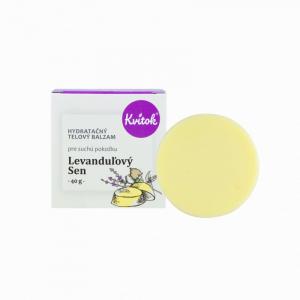
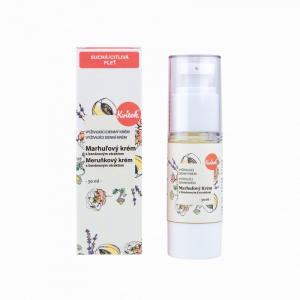
Try our natural products


What most commonly causes morning puffiness
There are many causes of morning puffy eyes, and poor sleep is not always the culprit. Excessive salt intake is one of the most common offenders – sodium retains water in the body, which then accumulates in soft tissues, including those around the eyes. Alcohol has a similar effect, dehydrating the body and disrupting fluid balance. The body then tries to compensate for the lack of water by retaining it, which paradoxically leads to puffiness.
Another common cause is allergies. Pollen season, dust, mites, or pet dander can trigger an inflammatory reaction in which the blood vessels around the eyes dilate and the tissues fill with fluid. The result is not only puffiness, but also redness and itching. According to the American Academy of Ophthalmology, allergic reactions are among the most common causes of recurring morning puffiness, and if the problem returns regularly at the same time of year, it is worth visiting an allergist.
We must not forget genetics. Some people naturally have thinner skin or a less firm subcutaneous structure around the eyes, making them more prone to puffiness regardless of what they did the day before. This problem also deepens with age – the skin loses elasticity and the fatty tissue that previously held firmly in place begins to loosen and sag. This creates the characteristic "bags" under the eyes, which differ from fluid-related morning puffiness in that they persist throughout the day.
Stress, crying, or long hours in front of a computer screen also contribute to morning puffiness. When crying, tear fluid and inflammatory substances enter the tissues, causing temporary redness and swelling. When working at a monitor, the eyes dry out and become tired, blood vessels dilate, and the surrounding tissues can respond with puffiness. Interestingly, both too little sleep and too much sleep can have a similar effect – the body needs adequate, quality rest, not just quantity.
Take Markéta, a thirty-year-old project manager from Brno, as an example. Every Monday morning she arrives at the office with noticeably puffy eyes – over the weekend she enjoys later evenings, a glass of wine with friends, and salty foods that she limits during the working week. It is precisely this combination of factors that makes Monday morning the most visually challenging day of the week for her. Once she became aware of this connection and began to slightly adjust her weekend eating habits, the puffiness reduced significantly.

How to quickly and naturally reduce morning puffy eyes
There are several quick ways to reduce puffiness around the eyes in the morning before you head off to work. The simplest and most accessible method is cold. Cold water, cool spoons left in the fridge for a few minutes, or a special cooling eye mask cause blood vessels to constrict, helping to reduce visible puffiness. The principle is straightforward – cold has an anti-inflammatory effect and slows blood flow to the affected area.
A classic home remedy is cucumber slices placed on closed eyes. Cucumber contains antioxidants, flavonoids, and vitamin C, which have mild anti-inflammatory effects, but its natural coolness and high water content are the main factors at work here. Chilled used tea bags work in a similar way – particularly green or black tea, which contain tannins and caffeine. Caffeine constricts blood vessels and tannins have an astringent effect, so this combination can be surprisingly effective.
Another natural helper is massage. Gentle tapping with the fingers around the eyes, or a light pressure massage movement from the inner corner of the eye towards the temple, helps to kick-start the lymphatic circulation and drain excess fluid. This approach is particularly popular in Asian countries, where lymphatic facial massage is part of everyday skincare. Just a few minutes is enough and the results can be visible relatively quickly.
The words of dermatologist and skincare author Dr. Anna Guanche serve as a wise foundation for any eye care routine: "The best care for the sensitive area around the eyes starts from within – with adequate hydration, sleep, and a balanced diet. Everything else is just support."
Hydration is truly key. Many people drink coffee as the very first thing in the morning, which has a dehydrating effect, while forgetting about water. Yet adequate fluid intake actually helps the body eliminate excess water more effectively – a well-hydrated body has no reason to retain fluids. It is recommended to drink a glass of lukewarm water on an empty stomach in the morning, ideally with a little lemon juice, which also supports the body's detoxification.
In the world of natural cosmetics and skincare, there are also a wide range of products that can help with morning puffiness. Eye creams and serums containing caffeine, retinol, hyaluronic acid, or peptides help to firm the skin, improve microcirculation, and reduce the visibility of puffiness and dark circles. When choosing such a product, it is advisable to look for those with a natural composition, free from unnecessary chemicals and parabens – this will be particularly appreciated by those who prefer a more eco-friendly approach to self-care.
When it comes to long-term prevention, diet plays a crucial role. Reducing salt and processed foods, getting enough potassium (which helps regulate fluid balance in the body), and consuming foods rich in antioxidants – such as blueberries, spinach, or nuts – can significantly contribute to a healthier-looking complexion, including the area around the eyes. Research published in the specialist journal Nutrients repeatedly confirms that a diet rich in antioxidants and anti-inflammatory substances has a direct impact on the condition of the skin.
Sleep – both its quality and position during it – is another factor worth paying attention to. Sleeping on your back with your head slightly elevated helps gravity drain fluids away from the face, while sleeping on your stomach or on your side (especially if you always sleep on the same side) can contribute to asymmetrical puffiness. Investing in a quality pillow or a special anatomical pillow can therefore have a surprisingly positive effect on your morning appearance.
A separate topic is silk pillowcases, which have become increasingly popular in recent years not only for their luxurious feel but also for their practical benefits. Unlike cotton pillowcases, silk is less irritating to the sensitive skin of the face, does not cause pressure marks, and thanks to its smooth surface reduces friction, which can contribute to puffiness and wrinkles. This is one of those small everyday details that may seem insignificant, but which can add up to make a real difference.
If puffiness persists throughout the day, is very pronounced, or is accompanied by other symptoms such as pain, redness, or deteriorating vision, it is always advisable to consult a doctor. In rare cases, puffy eyes can be a symptom of a health problem – such as kidney disease, thyroid issues, or inflammation. The vast majority of morning puffiness, however, is completely harmless and manageable through simple changes to everyday habits.
Morning puffy eyes are therefore not a cause for panic, but rather a signal that the body is sending – and one that is worth paying attention to. Whether they are caused by a late dinner, stress, or simply a genetic predisposition, there is always a way to improve the situation. Sometimes all it takes is an extra glass of water, a moment of self-care, or a little cold at the right time – and the morning can look completely different.