

# How to Recognize Water Retention in the Body and What to Do About It Water retention in the body
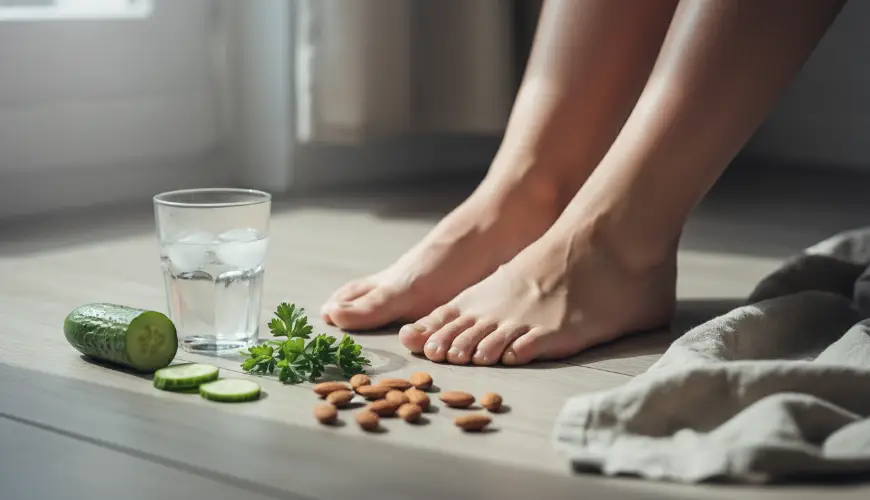
Swollen feet after a long day at work, a ring that suddenly won't come off your finger, or the feeling of heavy, tired legs – these are situations that many people know from personal experience. Few people suspect, however, that these seemingly trivial complaints may conceal water retention in the body, medically known as oedema or fluid retention. This is a condition in which excess fluid accumulates in the tissues and intercellular spaces of the body, instead of being naturally drained away. And although it may not seem like a major problem at first glance, long-term neglect of this condition can have unpleasant consequences for both health and the quality of everyday life.
Water retention is not a disease in itself, but rather a symptom that can have a whole range of different causes. Understanding why it occurs and how to recognise it is the first step towards being able to deal with it effectively. The human body is composed of more than sixty percent water, which performs irreplaceable functions – it transports nutrients, regulates temperature, removes waste substances and maintains the correct environment for cellular functioning. Problems arise when this balance is disrupted and the body begins to retain more fluid than is healthy.
Try our natural products
Symptoms by which you can recognise water retention
The most common and most noticeable symptom is swelling of various parts of the body – most often the ankles, feet, calves, but also the hands, face or abdomen. A characteristic test that both doctors and laypeople commonly use is the so-called pitting test: simply press a finger onto the swollen area and hold the pressure for approximately five to ten seconds. If a visible indentation remains in the skin after releasing the finger and slowly levels out, this is a strong indicator that excess fluid has accumulated in the tissue.
Another reliable signal is rapid fluctuations in body weight that are unrelated to food intake. If the scales jump by a kilogram or more overnight or within a single day, it is very likely that fat is not responsible, but rather retained water. Women notice this phenomenon particularly during the menstrual cycle, when hormonal changes cause the body to naturally retain more fluid – especially in the second half of the cycle before the onset of menstruation.
A less obvious but equally important symptom is a feeling of bloating and heaviness, particularly in the abdominal area and lower limbs. Clothing that normally fits suddenly feels tight or constricting, shoes feel snug even though they were comfortable just a week ago. The skin may appear taut or have a shiny appearance, and in some cases may feel warm or sensitive to the touch. Fatigue and general sluggishness that cannot be explained by lack of sleep are further accompanying symptoms worth paying attention to.
There are numerous causes of water retention. Among the most common is an inappropriate diet rich in sodium, i.e. salt, which causes the body to bind a greater amount of water to maintain the correct osmotic balance. Lack of exercise and a sedentary lifestyle slow down lymphatic circulation and blood flow, leading to the accumulation of fluid in the lower parts of the body. Hormonal fluctuations, pregnancy, certain medications – such as corticosteroids, antihypertensives or diabetes medications – or insufficient protein intake can be further triggers. In more serious cases, fluid retention may be a symptom of heart, kidney or liver disease, which is why it is important to seek medical attention for persistent or sudden significant swelling.
What to do about it: natural ways to reduce fluid retention
The good news is that in many cases it is possible to significantly reduce water retention through natural means – adjusting your diet, changing your lifestyle and providing targeted support to the body. "The body is not an enemy, it is a partner that responds to how we treat it," say holistically oriented doctors, and this is doubly true when it comes to fluid retention.
The first and fundamental step is reducing salt intake. The World Health Organisation recommends not exceeding five grams of salt per day, while the average European consumes significantly more – often even double the recommended amount. Salt is not only found in the salt shaker on the table, but also in industrially processed foods, cured meats, canned goods, fast food and salted baked goods. Limiting these foods can produce a visible effect within just a few days.
Paradoxically, one of the most effective ways to get rid of retained water is to drink more water. This sounds like a contradiction, but it has its logic: if the body receives sufficient fluids, it has no reason to retain them. Chronic mild dehydration, on the other hand, sends a signal to the body to conserve and accumulate fluids. The recommended daily intake is around two litres of plain water, with physically active people or those living in warmer environments needing to drink even more.
The composition of the diet also plays a major role. Foods rich in potassium help to counterbalance the effects of sodium and support the excretion of excess water by the kidneys. Bananas, avocados, sweet potatoes, spinach and beans are excellent sources of this mineral. Magnesium, found in nuts, seeds, dark chocolate and wholegrains, has similar effects – studies published in specialist medical journals suggest that adequate intake can help reduce water retention, particularly in women during the premenstrual phase of the cycle, as described for example in a research overview on PubMed.
Natural helpers also include certain herbs and foods with a naturally diuretic effect. Dandelion, nettle, green tea, parsley and cucumber are among those that folk medicine has used for centuries and that modern research confirms to a certain extent. Nettle tea or dandelion tincture are accessible and gentle ways to support the kidneys in their natural function of draining excess fluids. However, it is advisable to exercise reasonable moderation when using them, and to consult a pharmacist or doctor if in any doubt.
Exercise is another key factor. Regular physical activity stimulates the lymphatic system, which, unlike the circulatory system, has no pump of its own and depends precisely on muscle movement. Walking, swimming, yoga or simple home exercise – all of these help fluids to circulate and leave the body naturally. An interesting practical example: people who work in offices and spend most of the day sitting very often complain of swollen ankles and heavy legs by the end of the working day. A simple change – getting up every hour, taking a short walk or doing calf exercises right at the desk – can bring surprisingly quick relief.
Elevation of the lower limbs, i.e. positioning them above the level of the heart, can also help. Lying with your legs resting on a pillow or against a wall for twenty minutes speeds up the drainage of fluid from the feet and ankles back into the circulation. This simple technique is used both in home care and in rehabilitation or in the treatment of venous insufficiency.
Compression stockings or knee-highs are another practical tool that is particularly appreciated by people with a tendency towards leg swelling, travellers, or those who spend many hours on their feet. Compression garments create gentle pressure on the tissues and help fluids flow in the right direction. They are now available in many forms – from medical aids to sportswear or fashionable pieces that can be worn every day without attracting attention.
The influence of stress and sleep on fluid retention is also worth mentioning. Chronic stress increases levels of cortisol, a hormone that, among other things, affects the body's fluid balance. A lack of quality sleep disrupts hormonal regulation and can contribute to swelling – it is no coincidence that after a restless night the face tends to be puffy and the eyes swollen. Taking care of psychological wellbeing and sleep hygiene are therefore not merely clichés from the pages of wellness magazines, but have a real physiological impact.
When it comes to dietary supplements, there is a wide range of products on the market aimed at supporting drainage and the lymphatic system. When selecting them, it is important to opt for high-quality, transparent products with a clear composition and verified origin. Natural products from certified sources, such as those available in e-shops focused on a healthy lifestyle, can be a suitable complement to the changes described above – but not a replacement for them.
It is important to distinguish between temporary, situational water retention – which is a normal bodily response to fatigue, heat, hormonal fluctuations or a salty dinner – and a chronic condition that persists for weeks or worsens. Sudden, significant swelling of one limb, swelling accompanied by pain, shortness of breath or other alarming symptoms is always a reason to seek medical attention without delay, as it may signal a serious condition such as thrombosis or heart failure.
The natural path to reducing fluid retention therefore requires no miraculous solution or drastic steps. It is rather a combination of small, everyday decisions – about what we eat, how we move, how much we drink and how we care for our body as a whole. The body has a remarkable ability to self-regulate and return to balance, provided we give it the right conditions.