
# What to Do When Sports Clothes Still Smell After Washing ## Why Does Sports Clothing Retain Odor?
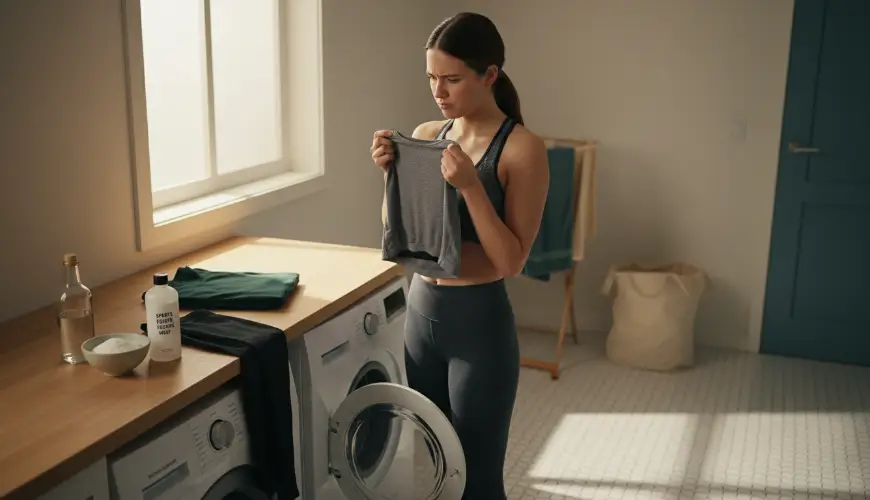
Every athlete knows it. You pull your favorite shirt out of the washing machine, give it a sniff, and discover that despite all your efforts, it still smells... exactly the way it smelled before washing. This phenomenon, where odor simply won't wash out of sports clothing, plagues recreational runners and elite athletes alike around the world. It's not about laziness or poor hygiene – it's about chemistry, materials, and bacteria that have learned to survive even in an environment full of detergent.
Why does this actually happen? Modern sports clothing is made primarily from synthetic fibers – polyester, nylon, or elastane. These fibers are excellent at wicking moisture away from the body, they dry quickly and hold their shape. But they have one fundamental disadvantage: synthetic fibers are literally magnets for bacteria and odor molecules. Their structure is full of tiny crevices and pockets at the microscopic level, where sweat, sebum, and organic residue settle. A standard wash cycle with regular detergent simply can't reach these molecules – and so they remain inside the fiber, wash after wash.
Try our natural products
Why Synthetics Smell Worse Than Cotton
A cotton shirt after an intense workout may be wet and heavy, but after washing it will be clean. Why? Cotton is a natural fiber with an open structure that allows detergents to penetrate deeper and effectively remove dirt. Synthetics work differently. Research published in the scientific journal Applied and Environmental Microbiology showed that bacteria of the genus Micrococcus – the main culprit behind sweat odor – multiply significantly faster on polyester fibers than on cotton. This bacterium breaks down lipids from sebum and produces volatile organic compounds that are the source of that unpleasant smell.
Another problem compounds this: over-washing. It sounds paradoxical, but the more you wash sports clothing with too much detergent, the worse the situation becomes. Excess detergent doesn't rinse out of densely woven synthetic fibers and creates a layer that itself traps odors and provides bacteria with a breeding ground. The result is clothing that appears clean, but at the first contact with body heat starts to smell before you've even made it to the end of the street.
Take Markéta, for example, an enthusiastic CrossFit enthusiast from Brno who bought a set of expensive compression leggings and performance shirts. After half a year of regular wear and washing, she found that even new pieces didn't smell the way they should. She added more washing powder, tried various fabric softeners, washed at higher temperatures – nothing helped. It was only when she changed her entire approach to caring for sports clothing that she began to see results.
How to Actually Get Rid of the Odor
The good news is that the situation isn't hopeless. There are several proven ways to permanently remove odor from sports clothing – and to prevent it in the future. The key is understanding that synthetic fibers require a different approach than regular laundry.
The first step is changing your washing habits. Less detergent, not more – that's rule number one. Sports clothing only needs to be washed with half the amount of detergent compared to the recommended dose, ideally with a product specifically formulated for sports textiles. These specialized products contain enzymes that break down organic compounds trapped in synthetic fibers without damaging the material's structure. Fabric softener, on the other hand, is the enemy – it creates a hydrophobic layer on the fibers that prevents moisture wicking and simultaneously seals odors inside.
Washing temperature also plays an important role, but not in the way you might think. High temperatures do kill bacteria, but they also damage elastic fibers and can cause odor molecules to become even more "baked in" to the material. Most sports clothing manufacturers recommend washing at 30–40 °C, with the length of the wash cycle and the mechanical action of the water being more important than the temperature.
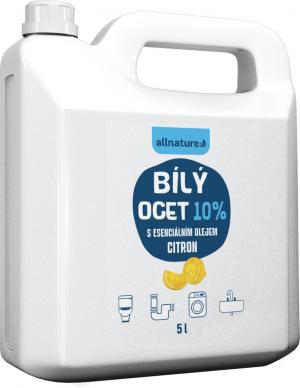
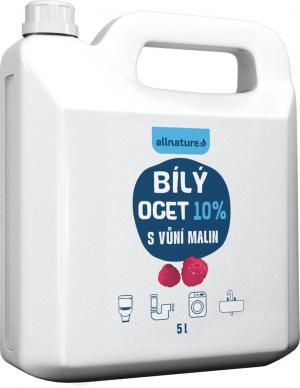
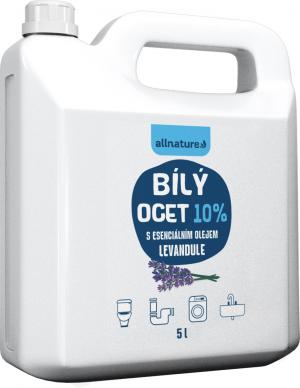
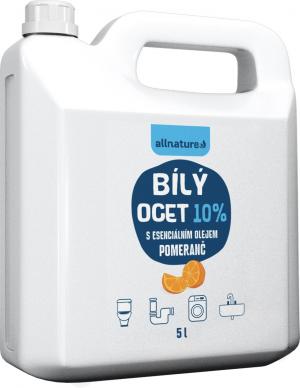
One of the most effective home remedies is vinegar. Adding half a cup of white vinegar to the fabric softener compartment or directly into the washing machine drum helps neutralize alkaline detergent residue and break down odor molecules. Vinegar is gentle on fibers and environmentally friendly – after washing, even its own scent completely disappears from the clothing. Baking soda works similarly and can be added directly to the washing powder or used to pre-soak clothing.
Pre-soaking is another technique that many people forget about. Soaking heavily odorous sports clothing for 30 minutes in cold water with a little vinegar or a specialized enzymatic product before the actual wash can work wonders. Cold water is a better choice than warm, because it doesn't bake proteins from sweat into the fibers.
The power of sunlight is also worth mentioning. UV radiation is a natural disinfectant and direct sunlight can effectively kill the bacteria responsible for odor. Drying sports clothing in direct sunlight – rather than in a dryer – is a simple and completely free method of eliminating persistent odors while also extending the life of the clothing.
If home methods aren't enough, there are professional products on the market designed specifically for eliminating odor from sports textiles. They work on the principle of enzymatic breakdown – the enzymes literally "eat" the organic molecules trapped in the material. These products are typically used for pre-soaking or added directly to the wash cycle. Eco-friendly versions of these products are also available for those who care about environmental impact – unlike aggressive chemical odor removers, they contain no harmful substances and are biodegradable.
As ecologist and writer Yvon Chouinard, founder of the Patagonia brand, once noted: "The most environmentally friendly clothing is the clothing you already own." This thought applies doubly to sports textiles – proper care for them is not just a matter of hygiene, but also of sustainability. Extending the life of performance clothing by several years means less waste, less production, and less strain on the planet.
Prevention Is Always Better Than Cure
The best strategy is, of course, to prevent odor from setting in in the first place. And that starts before the first wash – in fact, immediately after training. Wet sports clothing should never be left crumpled in a bag or laundry basket for longer than necessary. A damp, warm environment is an ideal incubator for bacteria, and the longer clothing sits there, the deeper and more persistent the odor becomes.
Ideally, clothing should be hung up to air out immediately after training – even when dirty, before washing. Airing stops bacterial growth and prevents the most stubborn odors from forming. Only then should washing follow, preferably as soon as possible.
The choice of clothing itself also plays a role. Not all synthetic materials are equal – merino wool, for example, is a natural fiber with inherent antibacterial properties that significantly limits the growth of odor-causing bacteria. This is why a merino shirt can be worn for several days without significant odor, while a polyester shirt starts to smell after just one workout. Merino clothing is more expensive and requires more careful care, but from a hygiene and sustainability perspective, it's an investment that pays off.
Washing frequency is another factor. It might seem logical to wash sports clothing after every use, but for less intense activities this can be counterproductive – too-frequent washing wears out the fibers. On the other hand, after a truly intense workout where clothing is saturated with sweat, immediate washing is essential.
It's also worth noting that diet and hydration affect the intensity of sweat odor. Foods rich in garlic, onion, or spices cause sweat to contain more volatile sulfur compounds, which are an excellent nutrient source for bacteria. Adequate water intake, on the other hand, dilutes sweat and reduces the concentration of substances from which bacteria produce odor. It is therefore a complex problem whose solution extends from the washing machine all the way to your diet.
Odor from sports clothing that seemingly won't wash out is not the inevitable fate of every athlete. It's a problem with specific causes and specific solutions – you just need to know where to look. A combination of proper washing habits, suitable products, natural helpers like vinegar or sunlight, and thoughtful prevention can rescue even seemingly "dead" clothing and restore its freshness. And if you reach for environmentally friendly products in the process, you'll be doing something good not just for your clothing, but for the planet as well.