

# Why Gallstones Affect Mainly Women Gallstones are a very common digestive system disorder, and st
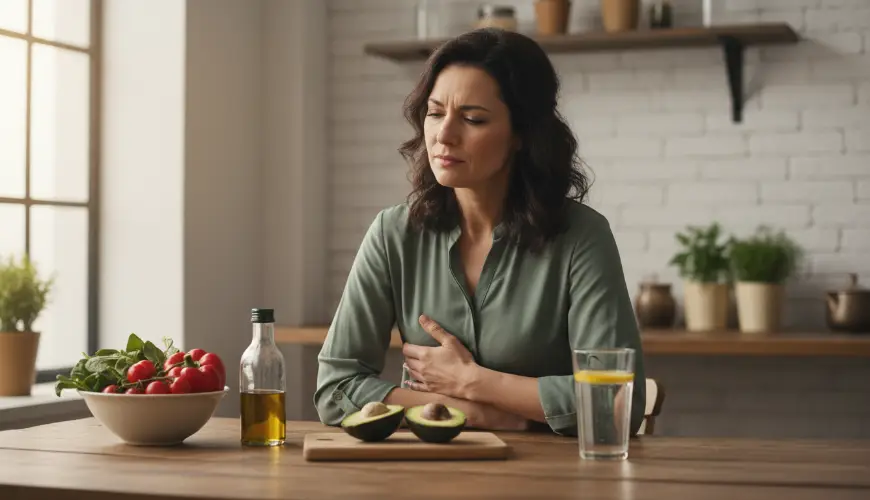
Pain in the right upper abdomen that strikes suddenly and without warning – most often after a fatty meal or at night – is one of the most characteristic symptoms of gallstones. Although anyone can develop them, statistics repeatedly show that women suffer from this condition significantly more often than men. Why is this, and what lies behind this gender disparity? The answer is hidden deep in the biology, hormonal makeup of the female body, and everyday lifestyle habits.
Gallstones, medically known as cholelithiasis, are solid deposits that form in the gallbladder – a small sac located beneath the liver. The gallbladder serves an important function: it stores bile, a digestive fluid produced by the liver, and releases it into the small intestine to help break down fats. Problems arise when the composition of bile becomes disrupted and solid crystals begin to precipitate within it. These gradually grow and form stones, ranging in size from a tiny grain of sand to a structure the size of a golf ball.
Try our natural products
Why Women Are More Prone to Developing Gallstones
The key factor is oestrogen, the female sex hormone. It increases cholesterol levels in bile while simultaneously slowing gallbladder motility – that is, its ability to empty sufficiently. The result is cholesterol-supersaturated bile that stagnates and creates ideal conditions for stone formation. This is precisely why pregnancy, the use of hormonal contraceptives, or hormone replacement therapy during menopause are high-risk periods – situations in which oestrogen levels in the body rise significantly.
This is not mere theory. Studies published in journals such as Gastroenterology have repeatedly confirmed that women have approximately twice the likelihood of developing gallstones compared to men of the same age. The risk is highest between the ages of thirty and sixty, during the period when hormonal fluctuations are most intense.
Consider Kateřina, a forty-four-year-old accountant from Brno who decided to lose weight after her second pregnancy. She follows a strict diet, restricts her calorie intake to a minimum, and avoids fats. After several months, however, she began suffering from bouts of pain in the right upper abdomen. The diagnosis: gallstones. Kateřina did not know that rapid weight loss is one of the triggers for their formation – during fasting, the liver secretes excessive amounts of cholesterol into bile, which then begins to crystallise. Her story is very typical, and doctors encounter similar cases regularly.
In addition to hormones, body weight also plays a role. Obesity is among the most significant risk factors, with overweight women facing up to three times the risk of stone formation compared to women of normal weight. Adipose tissue produces oestrogens on its own, thereby further deepening the hormonal imbalance. At the other end of the spectrum, paradoxically, is excessively rapid weight loss – as Kateřina's example shows, extreme caloric restriction or fasting can be just as dangerous as overeating.
Another factor that receives less attention is genetic predisposition. If a mother or grandmother had gallstones, the likelihood of the same problem appearing in their daughters is significantly higher. Scientists have identified several genes that influence bile composition and gallbladder function, and these genes are inherited. Family history should therefore always be part of preventive care.
Diet and lifestyle also play a considerable role. A diet rich in refined carbohydrates, saturated fats, and processed foods increases cholesterol levels in bile. Conversely, adequate fibre intake, healthy fats, and regular physical activity protect the gallbladder. A sedentary lifestyle slows digestion and gallbladder motility, which again favours stone formation. The World Health Organization (WHO) has long warned that lifestyle-related diseases, of which cholelithiasis is one, are on the rise across Europe.
How to Recognise Gallstones and What to Do About Them
The insidious nature of gallstones lies in the fact that they may cause no symptoms for a long time. It is estimated that approximately 80% of people with stones are completely unaware of them – the stones are discovered incidentally during an ultrasound examination performed for another reason. These are referred to as silent stones, which require no treatment, only regular monitoring.
The situation changes, however, once a stone begins to migrate. If it enters the bile duct and blocks the flow of bile, a so-called biliary colic occurs – intense, cramping pain in the right upper abdomen or the centre of the epigastrium, which may radiate to the back or right shoulder. The pain is typically accompanied by nausea, vomiting, and sweating. It characteristically occurs after a fatty meal, which stimulates the gallbladder to contract, or at night. An attack lasts from a few minutes to several hours and can be extremely intense – many patients describe it as one of the worst pains they have ever experienced.
If a stone blocks the bile duct for a prolonged period, it can lead to inflammation of the gallbladder (cholecystitis), inflammation of the bile ducts, or even inflammation of the pancreas (pancreatitis) – all of which are serious conditions requiring immediate medical attention. Warning signs include fever, jaundice (yellowing of the skin and whites of the eyes), or severe abdominal pain that does not subside.
Diagnosis is relatively straightforward. The cornerstone is an abdominal ultrasound examination, which detects stones with high reliability. In more complex cases, this is supplemented by blood tests, CT scanning, or endoscopic examination of the bile ducts (ERCP).
Regarding treatment, the gold standard today is laparoscopic cholecystectomy – removal of the gallbladder via minimally invasive surgery. This is one of the most commonly performed surgical procedures, and patients typically return home within one to two days. Life without a gallbladder is perfectly normal – the liver continues to produce bile, which simply flows directly into the intestine rather than being stored. Some people need to be cautious about very fatty foods after surgery, but otherwise their quality of life is not impaired.
For those who cannot or do not wish to undergo surgery, there is the option of dissolving stones using medications based on ursodeoxycholic acid. This method works only for certain types of stones (cholesterol stones, not pigment stones), and treatment takes months to years, with stones potentially reforming after the medication is discontinued. It is therefore used only in specific situations.
As a leading Czech gastroenterologist once noted: "The gallbladder is an organ that most people only remember when it starts to hurt. Yet prevention is very simple and accessible to everyone." These words capture the essence of the problem – gallstones are largely a disease that can be prevented.
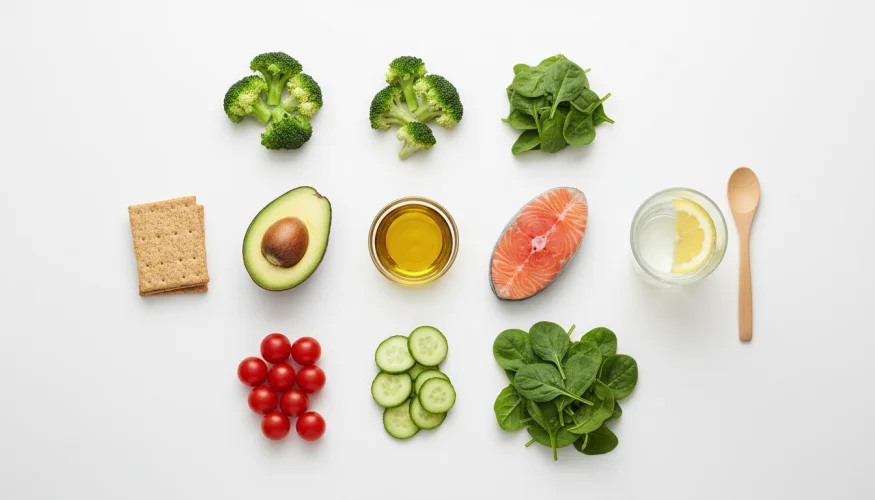
Prevention is genuinely not complicated. The foundation is a balanced diet with plenty of vegetables, fruit, wholegrains, and healthy fats, such as those found in olive oil, avocado, or fish. It is important to eat regularly and not skip meals – long gaps between meals cause the gallbladder to stop emptying sufficiently. Regular physical activity, maintaining a healthy body weight, and adequate fluid intake are further pillars of prevention. If the goal is to lose weight, it is sensible to do so slowly and sustainably – no more than half a kilogram per week – and never to resort to fasting or very restrictive diets without medical supervision.
Women who are planning a pregnancy, using hormonal contraceptives, or approaching menopause should pay particular attention to prevention. During these phases of life, it is advisable to undergo regular preventive abdominal ultrasound examinations, which can detect any stones before they cause problems. Gynaecologists and general practitioners should inform their patients about this risk, although unfortunately this does not always happen.
An interesting dietary supplement for supporting liver and gallbladder health is products containing milk thistle extract, whose flavonoid silymarin demonstrably supports liver function and aids natural bile production. Dandelion root and artichoke leaves act similarly, forming the basis of many herbal teas and dietary supplements available in health food shops. This support should, however, never replace professional medical care, but rather complement it appropriately.
Gallstones are therefore the result of an interplay of many factors – from the hormonal makeup of the female body through genetics to everyday decisions about what we eat and how we move. The fact that women are affected significantly more often is no coincidence, but a direct consequence of biological processes that are part of female life. The good news is that awareness of the risks provides the tools to minimise them. And that is the foundation from which everything else follows.