

What collecting colostrum before birth will bring you

Pregnancy brings a whole range of decisions that can affect the health of both mother and child for many years to come. One topic that has been discussed increasingly in recent years is collecting colostrum before birth – a practice that until recently was considered a marginal matter, but is now gaining support from experts around the world. For many expectant mothers, it is an entirely new concept, and it is therefore worth exploring in detail.
Colostrum, also known as first milk, is the first milk that the female body produces during pregnancy and immediately after birth. It is a thick, yellowish fluid packed with antibodies, growth factors, proteins and nutrients that are absolutely essential for newborns. It is sometimes called "liquid gold" – and quite rightly so. While mature breast milk does not arrive until several days after birth, colostrum is the first thing a baby receives, and its composition is perfectly suited to this purpose.
Try our natural products
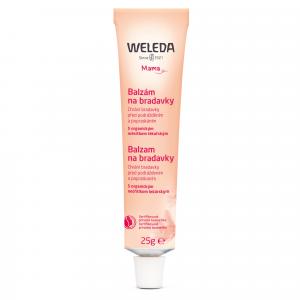
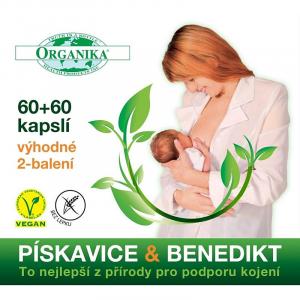
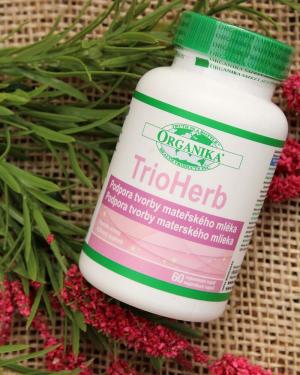
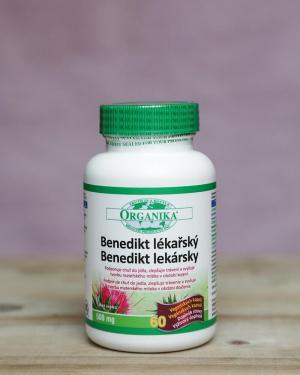
Why is colostrum collected before birth?
The ability to manually express and store colostrum during pregnancy – typically from week 36 to 37 – is referred to in the professional literature as antenatal colostrum or prenatal colostrum harvesting. The reason is simple: breastfeeding does not always get off to a smooth start in the first hours after birth. A caesarean section, birth complications, a premature arrival, or the mother's health issues can temporarily prevent or significantly hinder breastfeeding. In such moments, colostrum collected in advance is literally a safety net.
The World Health Organization (WHO) and UNICEF have long emphasised that exclusive breastfeeding in the first six months of life is ideal for a child's healthy development. But reality is often different. Many mothers struggle with stress, pain or simply a lack of information after birth, and breastfeeding does not begin as smoothly as they would wish. Having a supply of colostrum on hand in such a situation means the baby receives the very best – even when circumstances are not favourable.
Consider the situation of Klára, a thirty-year-old first-time mother from Prague, whose son was born in week 38 with a low birth weight. Due to the need for medical supervision, she was unable to be in contact with her baby immediately after birth, and breastfeeding got off to a difficult start. Thanks to having collected colostrum into small syringes in the final weeks of pregnancy, healthcare staff were able to administer this precious liquid directly in the incubator. Klára's story is not exceptional – thousands of families experience similar situations every year.
Colostrum collection before birth is also suitable for women planning a natural birth without complications. Women with diabetes, gestational diabetes or mothers expecting a larger baby have an increased risk that their newborn will need blood sugar supplementation after birth. Instead of a glucose solution or formula, colostrum can serve as a natural and significantly gentler alternative.
Colostrum contains natural sugars that help stabilise the newborn's blood glucose levels, while also acting as a first vaccination – providing the baby with antibodies and immunoglobulins that protect against infections in the first days of life, when the baby's own immune system is still in its infancy. As the American Academy of Pediatrics notes, colostrum contains high concentrations of immunoglobulin IgA, lactoferrin and white blood cells, which form the foundation of newborn immunity.
How does colostrum collection work in practice?
The process is surprisingly straightforward, although many mothers initially find it mysterious or even a little daunting. The entire process consists of hand expression – gently massaging and compressing the breast so that colostrum is released and can be collected into a small container or syringe. In the first attempts, the amount is really minimal – perhaps just a few drops – but this is completely normal and natural. The body is only just producing colostrum at this stage, and supplies build up gradually.
Before beginning collection, it is always important to consult a midwife or gynaecologist. Hand expression during pregnancy can trigger uterine contractions, and it is therefore not recommended for women at risk of premature birth, with a shortened cervix or other complications. For healthy pregnant women after week 36, however, it is generally completely safe.
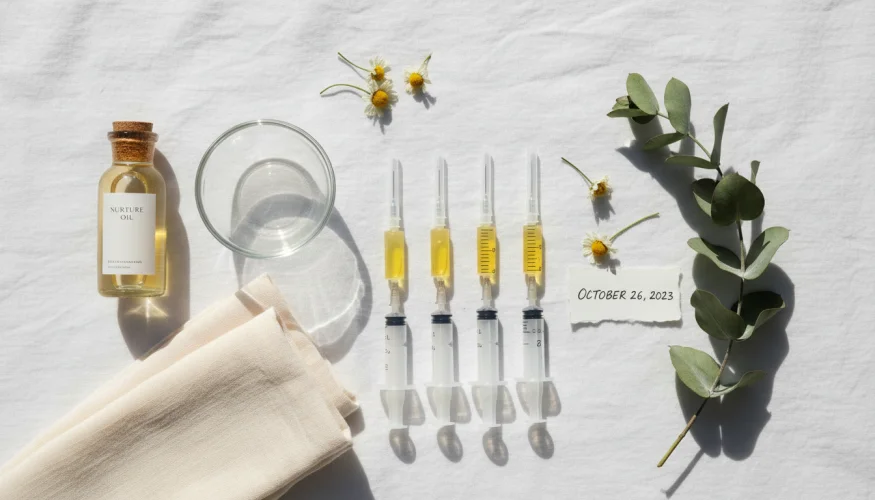
Collected colostrum is most commonly stored in small syringes of 1 to 2 ml capacity, which can be purchased at a pharmacy. The syringes are labelled with the date and name and stored in the freezer, where they will keep for up to three months. They are then brought to the maternity hospital in a cool bag, and staff store them in the hospital refrigerator or freezer until they are needed.
Many maternity hospitals today respond very positively to this approach, and midwives actively assist mothers who arrive with pre-collected colostrum. If you are interested in collecting colostrum, it is worth enquiring directly with the hospital where you plan to give birth to find out their specific procedures and recommendations.
The practical procedure for hand expressing colostrum can be summarised as follows:
- Wash your hands and sit or lie down comfortably
- Gently massage the breast in circular movements from the base towards the nipple
- Place your thumb and index finger approximately 2–3 cm behind the nipple and rhythmically compress and release
- Catch the drops of colostrum in a small spoon or directly into a syringe
- Repeat on both breasts; the whole procedure should take no longer than 5–10 minutes
Initially, the yield may be truly symbolic. It is not uncommon for the first attempts to produce only one or two drops. This is no reason for frustration, however – colostrum is extraordinarily concentrated, and even a small amount is of immense value to a newborn.
As lactation consultant Petra Janečková aptly puts it: "Every drop of colostrum is like a golden treasure. Mothers sometimes apologise for having collected so little, but I always tell them – what they are holding in that syringe is the most precious thing they can give their child."
Collecting colostrum before birth is also an excellent opportunity to learn the technique of hand expression before the stress of the first hours after birth arrives. Many women report that, thanks to practising before birth, breastfeeding came much more naturally after delivery, because their hands and body already knew what to do. It is a bit like practising an emergency drill – you hope you will never need it, but when the moment comes, you are prepared.
It is worth knowing that collecting colostrum before birth is not just a recent development. In many cultures, it was natural for older women in the family to pass on knowledge about breast care and preparation for breastfeeding long before the birth itself. Modern medicine has essentially rediscovered this practice and scientifically verified its safety and benefits.
For women who are considering supporting breastfeeding and general self-care during pregnancy, it may also be useful to reflect on other lifestyle aspects that influence breastfeeding – from a diet rich in healthy fats and proteins, to adequate hydration, to caring for breast skin using natural products. Body oils and balms based on lanolin or shea butter, available for example in eco-focused online shops, can help keep the skin supple and ready for breastfeeding.
It is also worth mentioning that research published in the journal Midwifery confirmed that women who engaged in antenatal colostrum collection showed greater confidence in breastfeeding and a shorter time to the establishment of lactation after birth. These are results that speak for themselves.
Whether you are at the beginning of your third trimester or still planning a pregnancy, the topic of colostrum collection is worth adding to your store of information to consider. A conversation with a midwife or lactation consultant will help you determine whether this practice is right for you, and can guide you through the first steps. Preparation for breastfeeding begins long before birth – and prenatal colostrum collection is one of the most concrete and meaningful steps an expectant mother can take for her child's healthy start in life.