

Cotton, satin or linen and what bedding material to choose
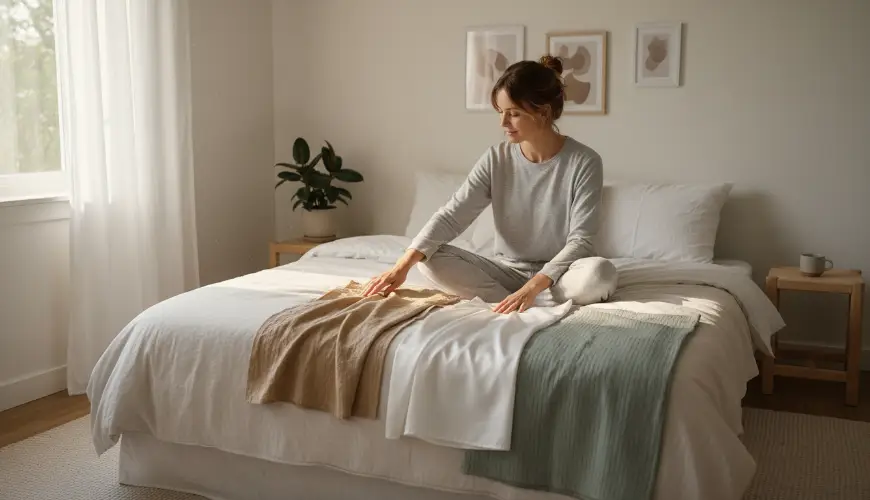
Good sleep begins long before a person closes their eyes. It depends on the temperature in the room, the darkness, the quiet – but also on what the skin feels with every touch of the bedding. Yet most people devote only a fraction of the attention to choosing duvet covers and sheets that they truly deserve. The material they are made from determines whether you wake up in the morning feeling rested, or sweaty and irritated.
The bedding market offers dozens of options, and navigating them can seem confusing at first glance. Egyptian cotton, bamboo, linen, microfibre, sateen, flannel – every material has its advocates and critics, its advantages and disadvantages. And what works for one person may not suit another. The key is to understand the basic properties of individual fabrics and tailor your choice to your own needs, the season, and your sleeping style.
---group-
Cotton: a classic that stands the test of time
Cotton is undoubtedly the most widespread material for bedding in the world, and for good reason. The natural fibres of cotton are breathable, soft and absorb moisture well, making them an ideal choice for most sleepers throughout the year. Cotton bedding is easy to wash, dries quickly, and tolerates higher washing temperatures, making it suitable for households with young children or allergy sufferers.
Not all cotton is the same, however. A significant difference is made by the so-called thread count per square inch. Generally speaking, the higher the number, the finer and more durable the fabric – yet even this rule is not absolute. Quality also depends on fibre length and the method of processing. Egyptian cotton and Pima cotton are considered premium varieties thanks to their exceptionally long fibres, which ensure a smooth surface and resistance to wear. Cheap cotton products with short fibres, on the other hand, pill quickly and lose quality after just a few wash cycles.
A special category is cotton sateen, which is woven using a special weave that provides a silky smooth surface. Sateen looks luxurious, is pleasant to the touch, and gives the bedroom an elegant appearance. Its disadvantage is somewhat lower durability compared to classic cotton fabric and a tendency to slip. Flannel cotton, by contrast, sits at the opposite end of the spectrum – thick, warm and cosy, ideal for winter months or for those who feel the cold easily.
Interestingly, according to surveys by the Sleep Foundation, cotton sheets are among the most popular precisely because they combine an accessible price with sufficient quality and versatility. For most households, they represent a reliable and tried-and-tested choice.
Natural alternatives: linen, bamboo and silk
Cotton is excellent, but it is not the only option. In recent years, interest has grown in alternative natural materials that offer specific properties while also better reflecting the values of sustainable consumption.
Linen is one of the oldest textile materials in the world, and its popularity in bedrooms is experiencing a genuine renaissance. Linen bedding is exceptionally breathable and thermoregulating – it pleasantly cools in summer and retains warmth in winter. Linen naturally repels bacteria and dust, making it an excellent choice for allergy sufferers. Its characteristic slightly coarser surface softens with every wash, so linen bedding improves with age rather than deteriorating. The downsides may be a higher purchase price and more pronounced creasing, which for many linen bedding owners becomes an aesthetic quality – the informal, natural look of linen is part of its charm.
Bamboo has established itself in the bedding sector as a modern ecological alternative. Bamboo fibres are exceptionally soft, silky smooth, and excel in thermoregulating properties. Bamboo naturally wicks moisture away from the body, is antibacterial and hypoallergenic, making it a popular choice for people with sensitive skin or those who sweat at night. It is important, however, to pay attention to the manufacturing process – bamboo viscose is produced through chemical processing, while bamboo lyocell is more environmentally friendly. For a truly ecological choice, it is worth looking for certifications such as OEKO-TEX or FSC, which guarantee responsible production.
Silk stands at the very top of the bedding hierarchy. The natural protein from which silk is composed is exceptionally gentle on skin and hair – silk bedding is even recommended by dermatologists as a preventive measure against pressure marks and hair breakage. Silk is naturally thermoregulating and hypoallergenic. Its disadvantages are the high price and demanding care – silk bedding generally requires hand washing or a gentle machine cycle at low temperatures. Nevertheless, for those who can afford this investment, silk bedding represents genuine luxury every night.
Imagine, for example, someone who has struggled for years with night sweats and constantly wakes up. They try various cotton bedding options, but the result is always the same. Then they switch to bamboo sheets and linen bedding – and suddenly the situation changes. The bamboo wicks away moisture, the linen regulates temperature, and waking up in the morning is, for the first time in many months, truly restful. Experiences like these show what a fundamental difference the right choice of material can make.
Synthetic fibres and blended fabrics
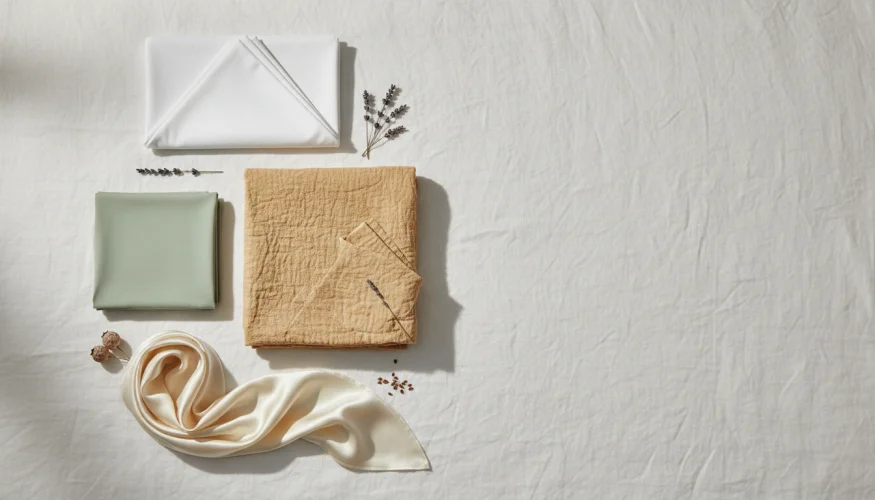
Alongside natural materials, there is a whole range of synthetic and blended fabrics that have a firm place in the bedding market. Microfibre is the most widespread synthetic material used in the production of duvet covers and sheets. It is inexpensive, soft, resistant to creasing, and dries quickly. For many households, microfibre is a practical everyday choice, particularly where easy care and low cost are important.
Its disadvantage, however, is limited breathability. Synthetic fibres do not absorb moisture as well as natural materials, which can cause sweating and discomfort during sleep. Moreover, they release microplastics during washing, which burden the environment – this consideration is an increasingly important factor in the purchasing decisions of environmentally conscious consumers.
Blended fabrics, most commonly combinations of cotton and polyester, attempt to combine the advantages of both worlds. They are less prone to creasing than pure cotton, more durable, and affordably priced. Their breathability is lower than that of purely natural materials, however. As a compromise choice they can work well, but if comfort and sustainability are the priority, natural materials generally come out ahead.
As the writer and sleep researcher Matthew Walker aptly noted: "Sleep is the most effective medicine that people have available to them – and yet they systematically underestimate it." If sleep is medicine, then bedding is its packaging – and packaging matters more than it might seem.
What to keep in mind when choosing
Choosing the right material for sheets and bedding is not merely a matter of personal taste. Several practical factors are worth considering.
The type of fabric should correspond to the season and the climate in the bedroom – light, breathable cotton or bamboo are ideal for summer, while flannel or heavier linen are better suited to winter. For those who sweat at night, natural materials with good thermoregulating properties, such as bamboo or linen, are the best choice. Sensitive skin or allergies call for hypoallergenic materials – bamboo, silk, or quality cotton with OEKO-TEX certification are safe options.
It is also important to consider the method of production and certifications. The GOTS label (Global Organic Textile Standard) guarantees that cotton was grown without pesticides and processed using ecologically responsible methods. OEKO-TEX Standard 100 confirms that the product contains no harmful substances. These certification labels are not merely a marketing trick – they are a guarantee that the product is safe for both the user and the planet.
Sheets and bedding are an investment in sleep quality, and therefore in overall health and wellbeing. The average person spends approximately one third of their life in bed – and that is reason enough to pay genuine attention to choosing bedding. Whether the choice falls on classic cotton, airy linen, silky soft bamboo, or luxurious silk, the right material is worth it. You will feel the difference every morning.