

Chapped lips are bothersome in both winter and summer when they lack protection and hydration.
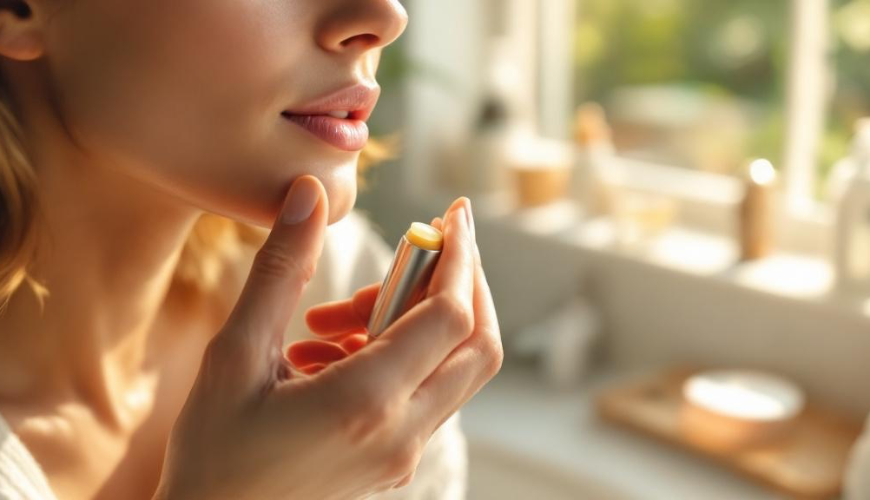
Cracked lips can be troublesome in winter and summer, at the office or in the mountains. Sometimes it's "just" an unpleasant tightness and flakes, other times there's burning, small cuts at the corners, or even bleeding. And because lips are an unmistakable feature on the face, people tend to deal with them quickly and often hastily—licking them, applying the first balm they find, and hoping it goes away. However, with lips, it's crucial to understand what causes lips to crack and choose accordingly how to prevent cracked lips and how and with what to treat cracked lips when the problem arises.
Lips are unique in that they have a very thin protective layer and virtually no sebaceous glands. Unlike the rest of the skin, they can't "lubricate" themselves and lose water more quickly. A few days of dry air, wind, sun, less hydration, or an unsuitable balm—and small flakes appear. When the habit of licking the lips is added, a vicious cycle occurs: short-term relief alternates with even more drying.
Try our natural products
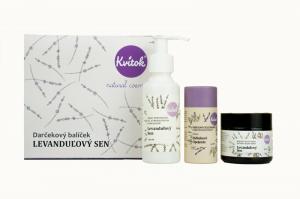
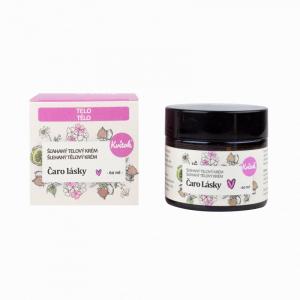
Why Lips Crack: Common Overlooked Causes
There is no single universal answer to what causes lips to crack. It often involves a combination of environment, habits, and skin sensitivity. In winter, frost and wind are the main culprits, but surprisingly also overheated interiors. Dry air in an apartment or office acts as a subtle "sponge" on moisture—and lips feel it quickly. In summer, the sun adds to the mix: lips can burn like shoulders, but many don't expect it and underestimate protection. As a general guideline, recommendations for UV protection can be found on the World Health Organization (WHO) website—lips fit this logic more than it seems.
A very common trigger is licking the lips. Saliva evaporates quickly but disrupts the lip surface and removes additional moisture in the meantime. The result? Lips become even drier after a while, and there's a temptation to lick them again. Similarly problematic can be "picking" at flakes—the small cracks can easily deepen, and inflammation has an open door.
Then there are less noticeable causes: certain lipsticks, balms, or toothpastes can irritate sensitive lips (for example, due to fragrances, menthol, or certain flavors). Sometimes there's even a reaction to certain foods or long-term mouth breathing during a cold. And we must not forget the corners of the mouth—if they crack mainly there, it could be so-called angular cheilitis, where moisture, yeast, or bacteria play a role, but also perhaps an iron deficiency or B vitamins deficiency. If problems recur, consulting a doctor or pharmacist is advisable.
Overall hydration and nutrition status can also play a role. It doesn't mean that every dry lip is a "signal of vitamin deficiency," but if the problem persists despite care, it's worth checking hydration, sleep, and whether the body has a long-term increased load. Finally, some skin conditions (atopic eczema, contact dermatitis) can manifest significantly on the lips.
"Lips are one of the first places where one notices a combination of dryness, wind, and inappropriate care—because they don't have a natural sebum film like the rest of the skin."
That's why it makes sense to think of lipstick or balm not as "extra" cosmetics but as simple protection with a clear purpose.
How to Prevent Cracked Lips: Prevention That Works Even in Everyday Life
Prevention sounds dull, but for lips, it's surprisingly effective. When addressing how to prevent cracked lips, it's not about complex rituals—just a few small changes that can be naturally integrated into the day.
A lot is achieved by not using a balm only when lips burn, but preventively. Ideally, apply a thin layer before going outside (wind, cold, sun) and also in the evening. For nighttime, a thicker protective layer is suitable, which "locks" the lips and gives them time to recover.
The home atmosphere is also important. During the heating season, a humidifier or at least a bowl of water near the heater, drying laundry indoors, or more houseplants can help. It's not a miracle overnight, but lips and airways often appreciate the change. Add to this the fundamental, but often overlooked point: hydration. It's not about forcing extremes, but rather continuously replenishing fluids—lips are often a sensitive indicator that the body is "running dry."
A big chapter is the sun. In summer, in the mountains, and by the water, a balm with SPF is worthwhile. Lips can burn quickly, and subsequent peeling can be pronounced. If someone returns from a weekend in the mountains feeling like they suddenly have "completely different lips," it's often the UV radiation combined with the wind.
And what about bad habits? Licking lips is so common that a person often doesn't even realize it. Having a balm handy helps replace the reflex to lick with the reflex to gently apply. It's even more pronounced in children—in winter, a red "ring" can form around the mouth from irritation. Here, prevention is mainly about protecting the barrier and patience, not scolding.
For a better understanding, here's a simple real-life example: in an open-plan office, the air conditioning is running, a colleague drinks coffee, not enough water, and focuses so much all day that she unconsciously breathes through her mouth. In the evening at home, she rubs her lips with a towel after removing makeup and applies a menthol balm that "feels pleasantly cool." In the morning, the lips are tight, and a crack appears on the lower lip. In such a situation, changing a few details often suffices: more water on the desk, gentler makeup removal, a balm without irritating ingredients, and a thicker layer at night. In two or three days, the condition visibly improves—not because there is a magic trick, but because the triggers are removed.
From a practical perspective, it's worth choosing products that protect and soothe the lips and don't promote further irritation. Simple formulations without unnecessary fragrances often work well. In the realm of natural cosmetics, plant oils and butters are commonly used, forming a protective film on the lips and aiding comfort. Consistency is also key: regularity does more than ten balms in a drawer.
How and With What to Treat Cracked Lips When They Appear: Gentleness, Barrier, and Proper Timing
When addressing how and with what to treat cracked lips, it's good to proceed according to the stage the lips are in. If they are just dry and flaky, the goal is to supplement protection and prevent further water evaporation. If they are already cracked to the point of bleeding, burning, or forming sores, it's worth switching to a "maximum gentleness" regimen and avoiding unnecessary irritation.
The basic principle is simple: lips need to be soothed and sealed. In practice, this means applying a protective layer more frequently, but in a thin layer to avoid burdening the lips with unnecessary friction. At night, a thicker layer is suitable—like a "mask" for the lips. If it's freezing or windy outside, it makes sense to apply balm before going out, not when already outside, where the lips are exposed.
A very common mistake is aggressive peeling. Yes, peeling skin tempts one to "quickly remove it," but mechanical scrubbing often worsens the situation. If it's necessary to soften flakes, it's better to first warm the lips (perhaps after a shower), apply balm, and let it sit for a while. The skin then releases more gently and without microtears.
What is applied to the lips during treatment also plays an important role. If the balm stings, burns, or makes the lips "tighten," it may contain ingredients problematic for sensitive skin. Menthol, strong fragrances, or certain essential oils can be more harmful at certain times, even if they are otherwise suitable. With cracked lips, moderation and simplicity usually work better.
When cracks persist, a yellowish crust appears, significant redness, oozing, or pain, caution is advised. Sometimes it is no longer just dryness but inflammation or infection. If the issues do not improve within a few days or recur at short intervals, it's wise to consult a professional. Similarly, if mainly the corners of the mouth crack—there, more targeted care may be needed. Basic medical information and recommendations on when to seek help can also be found on sites like NHS, which clearly describe common issues and warning signs (not a substitute for a doctor, more of an orientation compass).
In regular home care, this simple approach often proves effective: during the day, protect lips with a thin layer of balm, avoid licking and irritating products, apply a thicker layer in the evening, and give the lips rest. Add gentle makeup removal (without rough rubbing) and control the environment—a dry bedroom can thwart even the best balm.
When discussing how to treat cracked lips, many are interested in "what's best." In reality, the best is what a person can tolerate long-term and what truly soothes the lips. Generally, it's good to look for products that support the skin barrier while being comfortable to wear. In the selection of more sustainable and gentle cosmetics, lip balms based on plant butters and oils often appear, protecting lips without unnecessary burden on sensitive skin and the environment. In the context of e-shops focused on a healthy lifestyle, like Ferwer, it's worth considering not only marketing promises but also whether the composition is clear and if the packaging makes sense from a waste perspective—because even a small balm is something a person buys repeatedly.
And one more small thing that sounds banal, but often makes a difference: lips heal faster when given a chance. This means fewer lipsticks on days when lips are cracked, less "testing" if it's over, and more rest. Who would repeatedly scratch a healing scratch on their hand every hour—so why do it to the lips?
Finally, it's good to remember that cracked lips are not a failure of care nor necessarily a signal of a serious problem. Often they are just a sensitive reaction to the season, stress, environment, or minor habits. But once a person learns to recognize what causes their lips to crack, prevention and treatment become simpler: fewer experiments, more regular protection, gentler products, and a bit more attention to what's happening around. And lips that don't stick together in the morning and don't burn when smiling throughout the day are a surprisingly pleasant reward for a few small changes.