
Zero waste is a direction that anyone can manage by starting with small changes at home.
The term zero waste has become almost synonymous with "living with less waste" in recent years. Sometimes, it sounds like a challenge for enthusiasts who have a set of jars at home, sew their own bags, and never forget their own mug. However, the question of what zero waste is and why to start is not just for a narrow group of people—it concerns anyone who has ever taken out an overflowing trash can and wondered: Did all this really have to be created?
In reality, zero waste is more of a direction than a competition. It's not about perfection or stopping all waste from one day to the next. It's about gradual changes that make sense at home, at work, and in your wallet. And the good news is that how to start with zero waste step by step can be done without major investments and without feeling like you have to turn your life upside down.
Try our natural products

What is zero waste and why start with it (even if you don't want to live "100% eco")
Zero waste literally means "zero waste," but in practice, it's about minimizing waste and smarter resource management. The focus is not just on recycling, but mainly on prevention: to avoid creating waste in the first place. Often, the well-known "5R" approach (refuse, reduce, reuse, recycle, rot) is mentioned, but for the average household, something else is more important: to start where it hurts the most and where change is easiest.
There are more reasons than just ecology to start with zero waste. For many people, a surprisingly strong motivation is saving money—fewer impulsive purchases, fewer disposable items, fewer "trinkets" that accumulate at home. The second reason is tidiness. When the amount of packaging and unnecessary items is reduced, the household becomes simpler, and cleaning stops being an endless project. And the third reason is peace of mind: knowing that daily choices are not just automatic routines but make sense.
When it comes to waste, plastic is often mentioned. It's the most visible, but zero waste also concerns food waste, fast fashion, household chemicals, or unnecessary purchases. For those who want to get a solid context, they can start on the pages of the United Nations Environment Programme (UNEP), which has long summarized the impacts of consumption and waste on the environment. For practical grasp of "circular" thinking, the Ellen MacArthur Foundation framework is also useful, explaining why it's best not to create waste at all.
You might wonder: since there are trash bins and recycling, isn't that enough? But recycling is the last resort. Zero waste starts much earlier—with what is brought home in the first place.
How to start with zero waste step by step: less revolution, more smart habits
The biggest mistake at the beginning is often the effort to replace "everything": throwing away plastic containers, buying new glass ones, getting bamboo toothbrushes, cloth napkins, stainless steel straws... and after a week, realizing there are more things at home than before. Zero waste is not about shopping but about shopping less and better.
A simple rule works well: use up what you already have at home first, and only then consider replacing. This is often the most sustainable step of all.
Start with an audit week (subtly, without spreadsheets)
Just one week of observing what ends up in the trash is enough. Not for guilt, but for a map of the terrain. For most households, similar items repeat: snack wrappers, disposable bottles, plastic bags, paper towels, cleaning product packaging, food scraps.
And this is where the biggest leap can be made most quickly. Changes that save time and nerves are paradoxically the simplest.
Simple tips for starting with zero waste that won't hurt
Instead of trying to be "zero" right away, it's better to aim to be a little better than yesterday. Whether in a small apartment, with children, or with a demanding work schedule.
A real-life example: a family dealing with daily school snacks found that most waste came from aluminum foil, plastic bags, and disposable snack wrappers. The solution wasn't to "buy ten eco gadgets," but to make two changes: get a set of containers and add a few reusable bread bags. Within a month, the volume of snack waste visibly decreased, and morning stress lessened, as the containers had their place, and the routine simplified. The trick is that this wasn't a big ecological revolution—just a small setup that's maintainable.
And that's the key: gradual steps for a zero waste household aren't about heroic feats, but about habits that last.
Shopping: the biggest lever, how to do it without excessive effort
Most waste enters the household through shopping. If shopping routines change, the rest becomes much easier. Simple preparation helps: have a bag, a few bread bags, and one container "just in case" by the door. Not to look eco-friendly, but to avoid dealing with disposable packaging again.
It's also worth thinking about what is bought most often. If a household regularly consumes rice, legumes, oats, or nuts, it makes sense to look for options with less packaging—larger packages, returnable packaging, bulk stores, or local suppliers. There's no need to have a zero waste store around the corner. Even changing two or three items makes a big difference overall.
An important "unpopular" truth is that the most sustainable purchase is often the one that doesn't happen at all. When meal planning starts at least roughly at home, the amount of wasted food significantly decreases. And food waste is a topic with a big impact—not just ecological but also economic. For context, FAO and their overviews on food losses and waste can be useful.
Household "single-use items": replace them only when they wear out
For many items, you can proceed naturally: when a sponge wears out, choose a more sustainable alternative; when dish soap runs out, buy a larger package or with a better composition; when a plastic bottle breaks, replace it with a more durable one. This pace is realistic for most households—and that's why it's sustainable.
Many people start with the kitchen because waste is most visible there. Replacing paper towels with cloth, reusable bags for single-use ones, and gradually learning to use leftovers (broth from vegetable scraps, croutons from older bread, "rescue" recipes like risotto or soup) helps. It's not about eating the same thing all the time, but giving food a chance not to end up in the trash just because it's not "Instagram perfect."
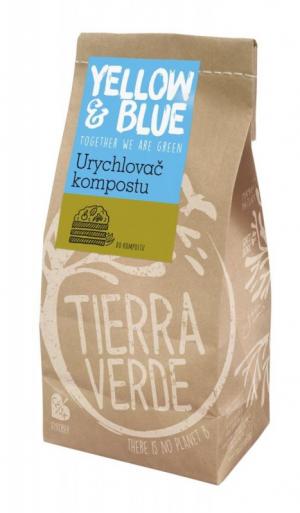
And if one thing can make a big difference, it's often composting—whether home, community, or through organic waste collection. Organic waste makes up a significant part of the mixed trash bin, and it's a shame when it ends up in a landfill where it can produce methane without access to oxygen. It's worth finding out how it works in the city or town, or using community composters.
"The best waste is the one that doesn't exist."
This sentence is often repeated in the zero waste environment because it reminds us of the essential: it's not about perfect sorting, but about prevention.
Gradual steps for a truly sustainable zero waste household
Sustainability is not just about materials but also about psychology. When changes are exhausting, they don't last long. That's why the approach "one area, one habit" works. Once a new habit becomes automatic, add another.
To make it concrete, here is a single list—as an orientation map, not a mandatory task list:
- Start with the waste that bothers you the most (typically snack wrappers, disposable bottles, food scraps) and choose one replacement or new habit.
- Use up supplies first and only then replace—throwing out "non-eco" items and buying new often doesn't make sense.
- Establish a simple shopping routine: bag + bags + container by the door, so you don't have to think about them at the last minute.
- Adjust grocery shopping: less impulsively, more planned, focusing on what will actually be eaten.
- Gradually reduce single-use items in the kitchen and bathroom (towels, pads/menstruation, shaving, cleaning) based on what disappears fastest at home.
- Try to handle organic waste smartly: collection, composter, community solutions—based on housing options.
At first glance, this may seem like a lot of points, but in reality, it's enough to choose one and stick to it for a month. Only then add another. How to do it in practice often means just one thing: make the change simple enough to repeat even in a hurry.
A big difference is made when the household stops chasing the "eco-ideal" and starts looking at things through longevity. For example, with clothing, zero waste meets sustainable fashion: fewer pieces, better quality, repairs, second-hand. With cleaning products, it helps to choose more eco-friendly compositions and packaging that can be returned or recycled, and not to buy five different products when one can do more.
And what if sometimes someone "goes back"—buys something in disposable packaging or forgets the bag? That happens to everyone. Zero waste isn't a test to pass or fail. It's a direction. Much more important than 100% purity is consistency: making slightly better choices long-term that make sense in real life.
When it comes down to it, a zero waste household doesn't arise from glass containers and bamboo accessories appearing at home. It arises from the disappearance of unnecessary items from everyday life—leaving only what is actually used. And perhaps that's the biggest bonus: less waste, less chaos, less "must," and more space for things that have value.