

You can easily manage brunch at home by combining sweet, savory, and one warm item that fills you up
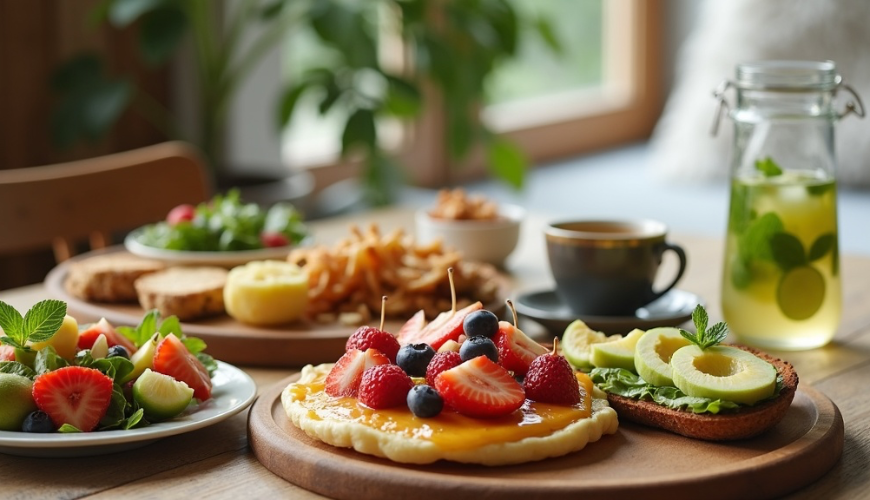
In recent years, brunch has found its place in cafes and everyday conversation, but there remains a slight haze around it: what exactly is brunch, when is it "allowed" to be eaten, and is it just a more expensive breakfast with better marketing? In reality, brunch is mainly a pleasant concept that combines the best of breakfast and lunch – and most importantly, it allows you not to rush. This is why it fits so well at home too. If someone is wondering whether they can prepare brunch at home, the answer is simple: yes, and often even better than in a cafe, because you can tailor the flavors to your liking, avoid unnecessary waste, and choose quality ingredients.
Brunch is usually served between late morning and early afternoon, typically on weekends when the alarm clock isn't pressing. It's a social meal – somewhat festive, yet informal. Some might have coffee and something sweet, others want eggs, salad, and something "substantial." This freedom is the most enjoyable part of it. And if the goal is how to make a homemade brunch, you don't need a professional kitchen or ten courses. All you need is a smart composition, a few proven recipes, and an atmosphere where guests (or family) feel welcome.
Try our natural products

What is brunch and why does it make sense at home
The word brunch originated from the combination of "breakfast" and "lunch," which perfectly captures its essence: a late breakfast with the ambitions of a lunch. It's not just about the time. Brunch is also about the mood – a slower pace, more flavors on the table, the option to nibble and mix. In practice, this means that pancakes with fruit, a bowl of salad, bread with spread, eggs in various styles, and perhaps even soup or a simple savory tart can all stand side by side. And no one finds it strange.
Moreover, brunch at home makes surprisingly good sense. It often consists of items that are already in the kitchen: bread (fresh or toasted), eggs, vegetables, yogurt, fruit, something to spread. When you add one "star" – like homemade spread, quick granola, or a tray of roasted vegetables – you get a table that looks rich without spending half a day at the stove. And the question "can I prepare brunch at home?" turns into "why not do it more often?"
Interestingly, brunch aligns well with a more sustainable approach to food. It's a type of meal where leftovers are naturally used up: yesterday's roasted vegetables turn into an omelet filling, stale bread into croutons or French toast, overripe bananas into pancake batter. And if someone is trying for a more eco-friendly household, it's the perfect moment to have cloth napkins instead of disposable ones, glass containers for prepping in advance, or quality cleaning products that are gentle on the environment, because brunch usually results in more dishes to wash than a regular breakfast.
To avoid just theory, here's a short example from everyday life: on a Sunday morning, a group of friends gathers, each bringing something small – someone brings fruit, someone bread, someone homemade hummus. The host prepares just two hot items: scrambled eggs and a tray of roasted tomatoes. A pitcher of water with lemon and mint, coffee, and tea are added to the table. The result? No one feels "served," but everyone eats well and for a long time. And that's exactly how a homemade brunch is often best.
How to prepare a great brunch at home without stress
When you say how to prepare a great brunch at home, many people imagine complicated recipes and perfect arrangements. But brunch relies more on smart organization than culinary acrobatics. The biggest trick is to balance the table so that it has something sweet, something savory, something fresh, and one warm item that "elevates" the whole meal. After that, it almost assembles itself.
In practice, it works when some things are prepared in advance. A spread can last in the fridge until the next day, pancake batter can be mixed in five minutes in the morning, and vegetables can be chopped the night before. And mainly: brunch doesn't have to mean everything is homemade. You can buy good sourdough bread or quality croissants and just add what gives it a personal touch at home – like herb quark, seasonal salad, or quick homemade granola.
It's also helpful to think about drinks. Coffee and tea are classics, but brunch suddenly looks more festive when there's a pitcher of water flavored with fruit, homemade iced tea, or even a kefir drink on the table. And if a healthier angle is considered, it's good to have proteins (eggs, yogurt, legume spread) alongside bread and sweets so you don't feel hungry again an hour later.
The "invisible" part of a homemade brunch comes into play: atmosphere. Just open a window, play soft music, place a simple vase with a branch or flower on the table, and use cloth napkins instead of paper ones. It's a small detail, but it makes a big difference overall. As one favorite saying goes, which applies to brunch more than anything else: "It's not just about what's on the plate, but how you feel while eating it."
And one more practical note: with homemade brunch, it's easy to overdo it with quantity. It's better to prepare fewer items, but make them high quality. When there are three to five items on the table that complement each other, it looks clear and inviting. When there are fifteen, often half goes uneaten and guests don't know what to reach for first.
For inspiration, you can also look at the general principles of a balanced plate and healthier eating, which are well summarized, for example, by the World Health Organization (WHO) – it's not a brunch manual, but it helps maintain a balance between taste and what makes sense for the body.
Tips and recipes: what to serve at a homemade brunch
The most common question is simple: what to serve at a homemade brunch to make it fun, filling, and not too complicated. It works well to stick to a few "pillars" and choose a specific combination based on the season and taste. The following tips and recipes for a homemade brunch are arranged so they can be mixed and matched – and so that most things can be prepared even in a regular kitchen without special equipment.
1) Eggs as a quick warm certainty (scrambled or omelet)
Eggs are almost a symbol of brunch. Quickly prepared, nutritious, and can be combined with anything. For a homemade brunch, scrambled eggs in butter or olive oil, or a simple omelet, are suitable.
Tip: Scrambled eggs are best when cooked slowly over low heat and only lightly salted at the end. Just add chives, pepper, and place a bowl of tomatoes or avocado on the table. Those who want a plant-based version can try "scramble" from tofu with turmeric and black salt, which mimics the egg taste.
2) One distinctive spread: hummus or herb quark
Brunch is built on spreads. And the spread is something people remember because they often get just "some" in a cafe. At home, it can be made in a few minutes.
- Quick hummus: chickpeas (even from a can), tahini, lemon, garlic, olive oil, salt. Blend and adjust with water until creamy.
- Herb quark: quark or thick yogurt, chives, dill, lemon zest, salt, pepper. Great even with grated cucumber.
Spreads pair well with sourdough bread, crispy toasts, or vegetable sticks. Plus, they can be made in advance, leaving the morning calm.
3) Something sweet, but not too much: banana pancakes or yogurt with fruit
The sweet part of brunch doesn't have to mean cake. Often, something simple that looks nice and smells like the weekend is enough. If brunch is to be a bit healthier, banana pancakes or a bowl of thick yogurt with fruit and nuts work well.
Banana pancakes (simple version): mashed banana, two eggs, a few tablespoons of oat flour (or finely blended oats), a pinch of cinnamon. Fry on a pan and serve with fruit. For a vegan version, use blended banana with plant milk and flour, and instead of eggs, add a tablespoon of ground flaxseed with water.
Yogurt bowl: thick plain yogurt, seasonal fruit, a tablespoon of nuts or seeds, a drop of honey or maple syrup. When you add homemade granola, it becomes a brunch classic.
4) Freshness on the table: a large bowl of salad or roasted vegetables
Homemade brunch often leans towards bread and carbohydrates. Therefore, it's worth adding something green and juicy to lighten the plate. It doesn't have to be complicated: arugula, lamb's lettuce, cucumber, tomatoes, olive oil, lemon, salt. Done.
When it's cooler outside, roasted vegetables are great: carrots, zucchini, peppers, red onion, a bit of oil, salt, thyme. The tray does most of the work, and it looks rich on the table. Plus, leftovers can be added to a sandwich or pasta the next day.
5) Bread and "crunch": sourdough bread, toasts, homemade croutons
Bread is so obvious at brunch that it sometimes gets overlooked. Yet it's what holds the whole table together. A combination of one quality bread and something softer (like buttery pastry) works great. And if there's leftover older bread, it can be turned into croutons in a pan with a splash of oil and garlic – it's excellent with salad or eggs.
6) Drinks that make an impression: citrus water or homemade iced tea
Brunch is social, so drinks do more than just hydrate. When there's a pitcher of water with lemon and a few mint leaves on the table, it feels like a café detail – yet it's the simplest thing in the world. Similarly, homemade iced tea (black or green, chilled, with lemon) works. And for those who want, a non-alcoholic version of "mimosa": orange juice with soda can be added.
When it all comes together, a homemade brunch doesn't have to be a feat, but rather a well-planned morning. Just choose one warm item (eggs), one spread (hummus), one sweet item (pancakes or yogurt), something green (salad), and good bread. Then let things sit on the table for a while so everyone can help themselves according to their taste – because brunch is not about precise serving but about being able to linger over the meal longer than usual. Perhaps that's why it so easily becomes a small weekend ritual with a surprisingly big impact on the mood of the whole day.