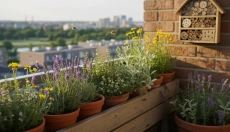

Bet on natural home fragrances without chemicals
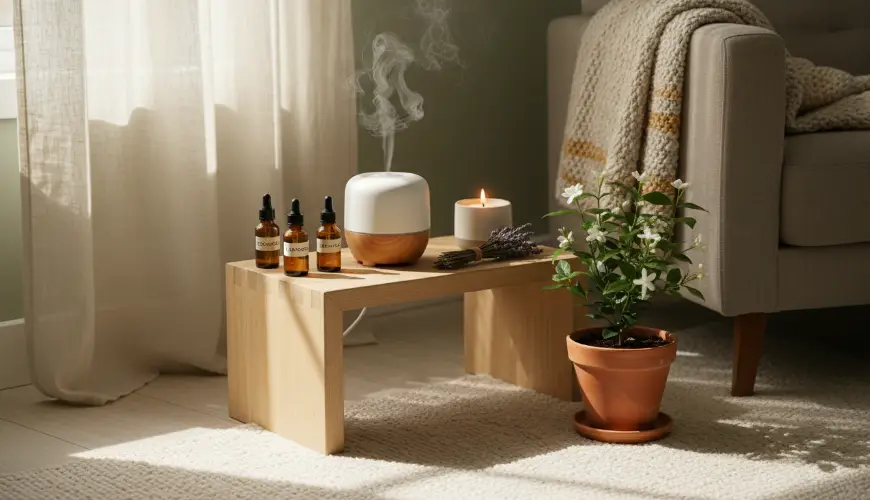
Imagine walking into your home and being greeted by the gentle scent of orange peel mixed with cloves, or a fresh breath of lavender from the living room. No artificial spray, no plastic box tucked behind the sofa — just pure, natural aroma that you breathe in without worry. For many people this sounds like a distant ideal, but in reality it is an entirely achievable everyday experience. You just need to know where to look and how to go about it.
Chemical air fresheners are among the most widespread household products of all. You will find them in every drugstore, in dozens of scents and formats — from aerosols to gel blocks to electric diffusers with refill cartridges. Yet it is precisely this familiarity that is somewhat deceptive. Few people stop to read the ingredients on the back of the packaging. And if they did, they would likely encounter terms such as phthalates, formaldehyde, benzene, or synthetic musks — substances that the American Lung Association classifies as volatile organic compounds (VOCs) with a potentially negative impact on the respiratory tract, the hormonal system, and the overall quality of indoor air.
Yet home fragrances serve an important function. The scent of a space directly influences mood, a sense of wellbeing, and even productivity. Research in the psychology of scent repeatedly shows that a pleasant and natural aromatic experience lowers cortisol levels and promotes feelings of safety and calm. The question, therefore, is not whether to fragrance your home, but how to do so in a way that is safe, sustainable, and aesthetically appealing.
Try our natural products
Why natural alternatives are the better choice
Switching from chemical air fresheners to natural alternatives is not merely a fashionable trend among eco-minded households. It is a decision with a real impact on the health of everyone living in the home — including children, elderly people, and pets, who are more sensitive to air quality than a healthy adult.
Natural fragrance substances — whether essential oils, dried herbs, spices, or natural candles — do not produce toxic by-products during burning or evaporation. Their molecules are evolutionarily familiar to the human body, because they are compounds that humans have encountered throughout their entire history. Lavender, eucalyptus, citrus, cedar — these are not merely pleasant scents; they are substances with proven aromatherapeutic effects that modern science is increasingly understanding and documenting.
Take, for example, a family with a young child. The parents notice that their two-year-old daughter has recurring mucous membrane irritation and a runny nose that never seems to fully clear up. After visiting an allergist, they discover that one possible trigger is the synthetic fragrance from an electric air freshener that is plugged in almost continuously in the child's bedroom. After removing it and replacing it with a diffuser using pure lavender oil, the child's condition improves significantly within a few weeks. Such stories are not exceptional — they are part of a growing conversation about indoor air quality, to which the World Health Organization is also paying attention.
As the writer and philosopher Henry David Thoreau once remarked: "Simplify, simplify." This very idea underpins the entire approach to naturally fragrancing a home — fewer ingredients, more naturalness.
Natural alternatives also generally come with a smaller ecological footprint. They do not originate in the petrochemical industry, their packaging is often glass or paper, and their production is gentler on the environment. For those interested in a sustainable lifestyle, this is therefore a win-win solution — for health and for the planet alike.
How to naturally fragrance every corner of your home
There are surprisingly many specific ways to achieve a pleasant scent in your home without chemicals, and most of them are easily accessible and inexpensive.
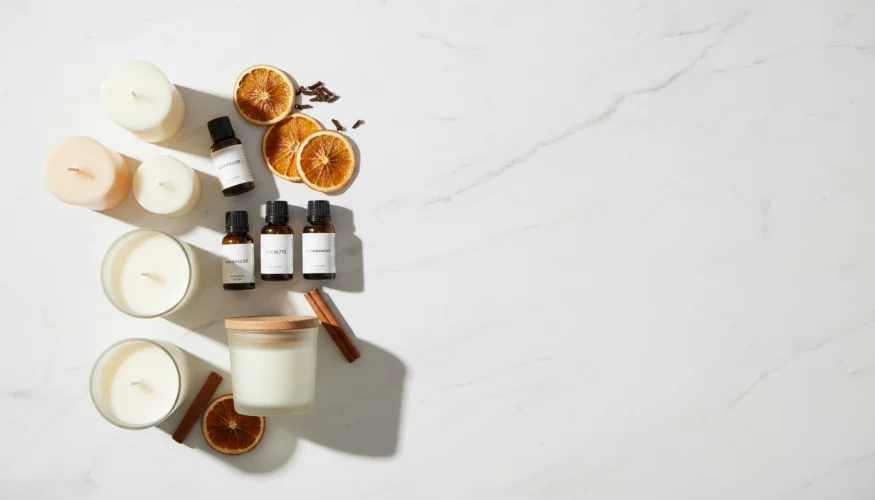
One of the most popular and versatile tools is the aroma diffuser with essential oils. Ultrasonic diffusers disperse a fine mist of water mixed with a few drops of pure essential oil into the air. The result is even and gentle fragrance throughout the room without any combustion. The key is to choose genuinely natural essential oils — that is, one hundred percent pure, without synthetic additives. Lavender calms, citrus oils invigorate and refresh, eucalyptus purifies the air and helps with colds, while patchouli and sandalwood evoke a sense of warmth and harmony. Combining these oils also makes it possible to create your own unique fragrances tailored to the season or your mood.
A second excellent method is simmering aromatic blends on the stovetop — the so-called simmer pot. Simply place slices of citrus, a few sprigs of rosemary, cinnamon sticks, cloves, or fresh ginger into a pot of water and let everything gently bubble over low heat. The scent that drifts through the home is entirely natural, does not burden the air with any chemical compounds, and also humidifies the dry air found in centrally heated apartments. In the pre-Christmas period this method becomes almost a ritual — the scent of cinnamon and oranges is one of the most powerful olfactory triggers of pleasant memories and a sense of wellbeing.
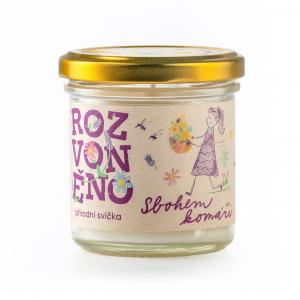
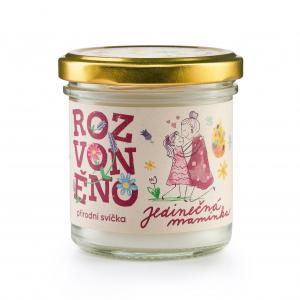
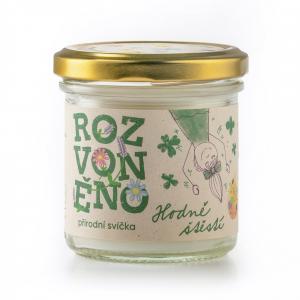
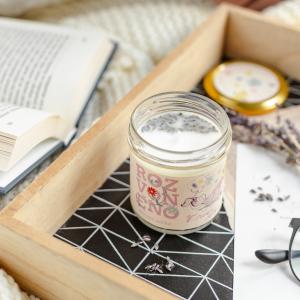
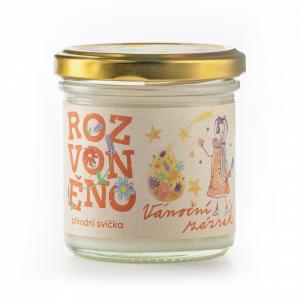
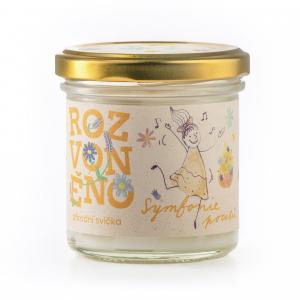
Natural candles are another tool that deserves special attention. Paraffin candles — the standard inexpensive candles found in drugstores — release benzene and toluene when burning, substances we certainly do not want to breathe in an enclosed space. The alternative is candles made from soy wax, coconut wax, or beeswax, which burn more cleanly and for longer. If they are also scented with natural essential oils rather than synthetic fragrances, they represent a completely safe and highly atmospheric choice for any home.
Let us not forget dried herbs and flowers, which are one of the oldest methods of fragrancing living spaces. Lavender sachets in the wardrobe, bundles of dried rosemary or eucalyptus hung in the bathroom, fragrant cushions filled with chamomile or mint — all of these bring a gentle, natural scent that slowly releases over many weeks. This method is also decorative — dried herbs and flowers make a beautiful addition to any interior, and their aesthetic value is undeniable.
A highly effective but less well-known method involves natural scent stones or plaster diffusers. These are porous materials that absorb essential oils and gradually release them into the surrounding air. They can be placed in wardrobes, bathrooms, dressing rooms, or hallways — places where an electric diffuser is not always practical. Their production is moreover so simple that they can easily be made at home — from plaster, cornstarch, or clay.
Try our natural products




For those who want to fragrance their home in a way that is also visually interesting, an excellent choice is orange or lemon candles made directly from citrus fruits. The inside of the fruit is scooped out, filled with soy wax containing a natural essential oil, and the resulting natural "bowl" serves as a candleholder. The result is not only fragrant but also beautiful — and entirely compostable after use.
Caring for houseplants is a chapter in its own right. Certain species have a natural ability to purify the air while also emitting a gentle, pleasant aroma. Jasmine, gardenia, pelargonium, and fragrant geraniums are examples of plants that can fragrance an entire room in a completely natural way and without any intervention. They also contribute to air humidification and psychologically improve the atmosphere of an interior — the NASA Clean Air Study demonstrated years ago that certain houseplants genuinely contribute to improving indoor air quality.
In practice, it is advisable to combine several approaches at once — a diffuser in the living room, lavender sachets in the bedroom, a simmer pot in the kitchen while cooking, a natural candle in the bathroom. The result is a layered, harmonious scent throughout the entire home that feels neither artificial nor overpowering, but natural and alive.
When selecting products, it is important to pay attention to their composition and origin. There are many products on the market that present themselves as natural but contain synthetic fragrances or other undesirable additives. Certifications such as ECOCERT, COSMOS, or the label "100% pure essential oil" are useful guides when making a purchase. It is equally advisable to favour manufacturers who transparently list the composition of their products and take care to source their raw materials ethically and sustainably.
The transition to natural ways of fragrancing your home does not have to happen overnight. A sensible approach is to start gradually — replace one chemical product with a natural alternative, try it out, and continue from there. Most people who set out on this path find that they simply do not want to return to chemical air fresheners — because the difference in scent, in feeling, and in the quality of the home environment becomes apparent very quickly. They also discover that natural fragrancing is not only healthier and more ecological, but also more creative and personal — because your own combinations of scents, handmade scent stones, or a simmer pot with your favourite spices are something that no industrial air freshener can ever replicate.