

How to Reduce Single-Use Plastics to Save Money, Time, and Space in the Trash Bin
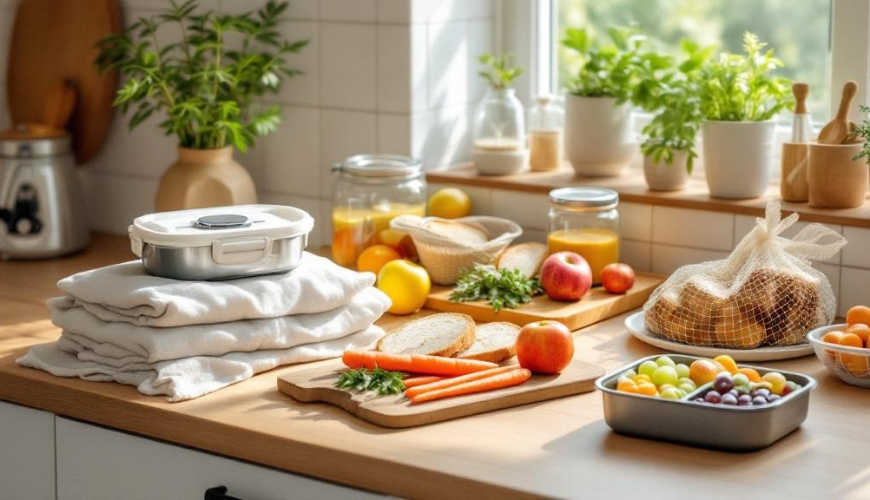
The idea that a household could manage without single-use plastics might initially sound like something for enthusiastic minimalists who grow their own cotton at home and never forget their reusable bags. However, the reality is often much more ordinary: most single-use plastics sneak into our lives not out of conviction but out of habit and convenience. That's why it makes sense to conduct a small "test" experiment—like what a week without single-use plastics looks like. Not as a competition for perfection, but as a mirror reflecting where things leak the most at home.
Single-use packaging and tools have one peculiar characteristic: they are almost invisible until they start piling up in the trash. A bag for bread, a yogurt cup, plastic wrap, cheese packaging, coffee machine capsules, a water bottle "just for the road." Each item seems innocent, but collectively they make up a surprisingly large bundle of waste—and money. It's not about throwing everything away and replacing it with new "eco" items. Often, it's enough to change a few steps in shopping and in the kitchen to make reducing single-use plastics a natural part of the routine.
And there's another reason why it makes sense to focus on this: plastics break down into smaller parts in the environment, creating microplastics that enter the water, soil, and food chain. For those who want to understand the broader context, they can start with the overviews published by the United Nations Environment Programme (UNEP) or the European Union's information on plastic waste and prevention. It's not about panicking over plastics, but rather understanding that single-use plastics are often the least necessary part of the entire equation.
Try our natural products


What a Week Without Single-Use Plastics Looks Like: A Small Experiment in Real Life
A week without single-use plastics usually doesn't result in a dramatic "before and after," but rather a series of small moments when a person automatically reaches for something they previously didn't even notice. Typically, it starts on Monday morning: the coffee runs out, and the quickest option is a capsule or instant mix in plastic. But when the goal is to reduce single-use plastics, it suddenly makes sense to buy coffee to put in your own container at a package-free store, or choose packaging that is more recyclable, or switch to classic preparation without "portions."
Then comes lunch at work. A salad in a plastic container, single-use cutlery, a cup for soup—everything seems like a necessity, but often it's just about having your own container and cutlery on hand. A simple rule really works: whatever can be reused is worth carrying with you. Not to look "eco," but because it's convenient and financially sensible.
By Wednesday, it usually becomes apparent that the biggest challenge isn't in what is bought, but how it is bought. For example, bakery products: in many stores, a plastic bag is automatically used. But a mesh bag or paper bag, or your own fabric one, will suffice. It's similar with fruits and vegetables. Especially when shopping more frequently and in smaller quantities, a household without single-use plastics suddenly becomes more realistic—because there is no need to package everything "for stock," and food is consumed more quickly.
And on Friday comes the typical moment: an evening with friends, something to drink, something to snack on. Single-use cups and straws are classic, appearing even where you would expect more consideration. Yet the solution is trivially simple—glasses, mugs, or if it's an outdoor event, a few durable cups that can be washed. It's one of those details that seem small but make a huge difference in practice.
To make this experiment as "lifelike" as possible, it helps to have a specific situation that almost everyone knows: a family with two children, a typical workweek, no extra time. On Monday, the decision is made at home not to buy bottled water and soft drinks in PET bottles. Instead, a jug of water with lemon and mint is prepared, and reusable bottles are packed for school. On Tuesday, single-use snack bags are replaced with containers. On Wednesday, toiletries are purchased—instead of three plastic bottles, refill packs or solid versions (soap, shampoo) are chosen. On Thursday, the first "crisis" occurs: a child wants their favorite yogurt, which is only available in plastic. A compromise is made—the yogurt is bought, but it is also planned to try a larger glass package or homemade preparation over the weekend. The week ends not with perfection but with a sense that change is real and that it's not about everything, but about the most common things.
This is the most valuable insight: reducing single-use plastics isn't about heroics, but about setting up a system that "pushes" a person in the right direction even when they don't have the energy to think.
"The biggest changes often don't arise from big gestures, but from small decisions repeated every day."
Household Without Single-Use Plastics: Where It's Easy and Where It Requires Patience
When people hear about a household without single-use plastics, they often imagine a kitchen full of jars and a bathroom with bamboo toothbrushes. In reality, it's more useful to look at the household as several "zones" where single-use plastics most frequently appear: kitchen, bathroom, cleaning, and shopping outside the home.
In the kitchen, the largest source of waste is usually food packaging and storage-related items. Plastic wrap and bags are typical examples: they are used briefly but bought repeatedly. Yet there are simple alternatives—containers, jars, waxed wraps, fabric bags. It's not about having everything immediately, but rather gradually replacing single-use items as they run out. In practice, it's often best to start with what is used daily: snacks, bread, vegetables, leftovers. The more frequently something is used, the quicker the savings and reduced waste become apparent.
The bathroom is interesting because a relatively large change can be made quickly without much pain. Solid soap instead of liquid in a plastic bottle, solid shampoo or conditioner, refill packs, washable cotton pads. For dental hygiene and shaving, it can be individual—some quickly get used to a reusable razor, others stick to their own. The key is to start with what is pleasant and functional, as habits then tend to maintain themselves.
Household cleaning is a chapter in itself. Single-use plastic packaging from cleaning products is everywhere, but there are often concentrated versions that last longer, or the option for refilling. Those who want an even simpler route often manage with a few basic products (like soap, soda, vinegar)—it's just important to stick to proven methods to avoid mixing something inappropriate at home. For those looking to rely on authoritative sources for waste prevention and reuse, public institutions and waste management organizations often have very useful materials; generally, it's sensible to follow the principles of "reduce, reuse," and then "recycle," which appear repeatedly in international recommendations.
Paradoxically, "the world outside" is often the toughest: takeaway food, quick shopping, events, travel. There, one most frequently encounters single-use plastic as the default. And here, a small kit helps: a bottle, a container, cutlery, a bread bag. Not as an obligation, but as a backup. When it's on hand, it reduces the likelihood of ending up with another lid, cup, or bag in the trash.
How to Reduce Single-Use Plastics: Simple Tips That Work Even in a Busy Pace
When it comes to how to reduce single-use plastics, it's tempting to seek a "perfect list," but it's more useful to find a few tips that fit a specific household. Still, there are steps that repeat across experiences and almost always work—mainly because they save time and hassle. And when combined with a little planning, it's surprisingly easy.
Simple Tips to Reduce Plastics (Without Major Sacrifices)
- Always carry a reusable bag and a bread bag (ideally keep them in your backpack or car), because most plastics result from "forgetfulness."
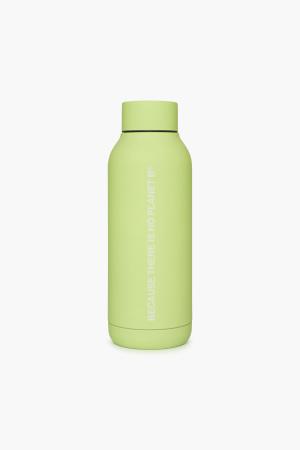
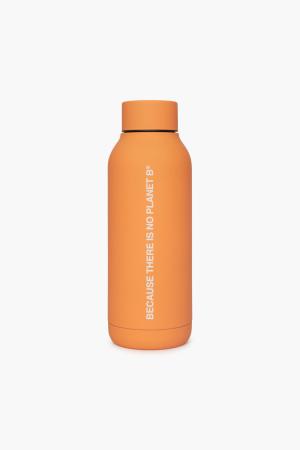
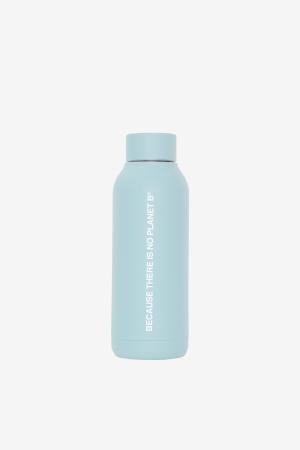
- Replace single-use bottles with one quality water bottle and have a jug or filter at home as per your taste; it also saves repeated "quick" purchases.
- Shop more frequently and in smaller amounts to avoid needing to package and store as much; it also reduces food waste, which is closely linked to packaging.
- Give package-free or refill options a chance with at least a few items (rice, oats, nuts, laundry detergent); start with two items and gradually add more.
- Replace wrap and bags with containers and jars that are often already at home; ideally, use jars from sauces or preserves that would otherwise end up in the glass.
- Have one "emergency" container for work or school—when leftovers appear, they don't need to be packed in single-use packaging.
- Don't handle it dogmatically: if plastic is sometimes the only reasonable option, it's better to continue rather than give up entirely.
Behind these tips is a simple logic: single-use plastics most often appear in moments of haste. Those who truly want to reduce consumption won't win by reading ten articles but by making decision-making in a real day easier. That's the magic of the "week without single-use plastics"—it shows where the weak spots are and where, on the contrary, change happens almost by itself.
A major topic is also grocery shopping. Sometimes it's said that package-free is the only right way, but reality is more diverse. Occasionally, it's ecologically and practically sensible to buy a larger package that lasts, other times a local product in packaging that can be well sorted. The important thing is not to succumb to the impression that if it can't be done 100%, it doesn't matter. On the contrary: the biggest impact often comes from changes that are sustainable in the long term because they become part of everyday life.
In this regard, it's good to think about what is already at home. Some people feel that for a "plastic-free" household, they need to buy new containers, new bags, new brushes. Yet often, the most sustainable start is to fully utilize existing items. A jar from pickles becomes a container for legumes, an old cotton t-shirt becomes a cleaning cloth, an ordinary box becomes a snack container. Sustainability isn't just about material, but also about longevity and reuse.
And what if the question arises that almost everyone thinks of: does all this even make sense when plastics are mass-produced in industry? It does, because demand shapes supply and because habits spread. When someone starts bringing their own cup or container, others often follow—a colleague at work, a friend, kids at school. Moreover, a household that learns to reduce single-use plastics usually also simplifies shopping, improves kitchen organization, and reduces waste overall. It's not just an "eco project," but a practical change in everyday life.
Perhaps that's why the most pleasant part of it all is that gradually the relationship with things changes too. Instead of the quick "buy-use-dispose," ordinary care returns to life: wash, store, reuse. And when, after a week, a person looks in the trash, it's surprisingly visible. Not as a perfect picture, but as silent proof that even in the regular rhythm of city, work, and school life, it's possible to live a bit lighter—with fewer packages, less chaos in the kitchen, and the feeling that some things just don't need to be single-use anymore.