

# What Does Ringing in the Ears Mean and Why Does It Get Worse in the Evening ## What Is Tinnitus?
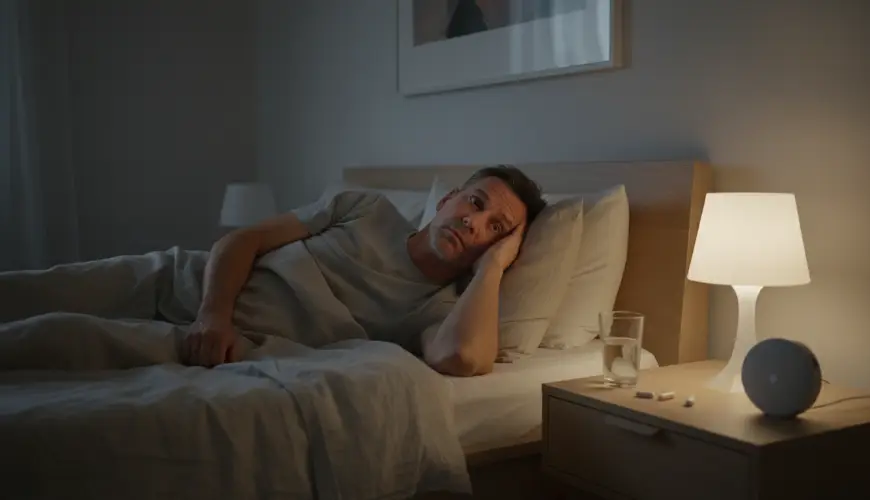
Most people have experienced it at least once – they lie down in bed, close their eyes, and suddenly become aware of an unpleasant sound. Ringing, buzzing, or whistling in the ears that they may not have noticed at all during the day. But why does this phenomenon appear so prominently in the evening, and what does it actually tell us about our health? The answers are surprisingly complex and touch not only on the state of our hearing, but also on our overall lifestyle, stress levels, and the quality of the environment we live in.
This condition is medically known as tinnitus – the perception of sound that has no external source. According to the World Health Organization, over 1.5 billion people worldwide suffer from various forms of hearing problems, with tinnitus being one of the most widespread hearing complaints of all. Yet many people have no idea why the ringing in their ears gets worse in the evening, or why it appears in the first place.
Try our natural products






Why is the ringing in the ears louder in the evening?
The answer lies in one seemingly simple fact: during the day, we are surrounded by noise. Street sounds, conversations at work, music, television – all of these sounds unconsciously mask tinnitus, and the brain simply does not perceive it. But as soon as the evening quiet arrives, the acoustic background disappears, and the ringing that was present all day suddenly comes to the foreground. It is not that tinnitus is objectively louder in the evening – it is simply that there is finally nothing to compete with it.
This is also why people suffering from tinnitus so often report that their biggest problem is not the sound itself, but the inability to fall asleep. In the quiet and darkness, the brain has nothing else to focus on, and so it concentrates on this internal noise. A vicious cycle emerges: the more a person focuses on the ringing, the more they perceive it, the more stressed it makes them – and stress itself further amplifies tinnitus.
There is also a physiological dimension to consider. In the evening, changes in blood pressure and blood flow occur, the body shifts into regenerative mode, and the nervous system recalibrates. In some people, these very changes cause pulsating or rhythmic ringing in the ears to be more pronounced in the evening than during the day. This type of tinnitus, known as pulsatile tinnitus, can be a symptom of changes in the vascular system and is definitely worth discussing with a doctor.
There are many causes of ringing in the ears. Among the most common is long-term exposure to noise – whether from a noisy workplace, regular attendance at concerts, or listening to music too loudly through headphones. Damaged hair cells in the inner ear send distorted signals to the brain, which the brain interprets as sound that does not actually exist. This is precisely why protecting your hearing is so important – damage to hair cells is irreversible.
Other triggers can include blocked ears caused by a build-up of earwax, middle ear infections, changes in pressure (for example, after flying or diving), as well as the use of certain medications. Aspirin in high doses, some antibiotics, and chemotherapy drugs are well known for their ototoxic effects – that is, their ability to damage the hearing system.
The influence of the psyche must not be overlooked either. Anxiety and chronic stress are among the most common triggers or amplifiers of tinnitus. It is no coincidence that many people first notice ringing in their ears during periods of high professional or personal strain. As British audiologist David Baguley said: "Tinnitus is not just a hearing problem – it is a whole-person problem." This perspective explains why treating the hearing alone is insufficient and why tinnitus must be approached holistically.

When is ringing in the ears a signal that it is time to seek help?
A one-off ringing in the ears after a loud concert or after spending time in a noisy environment is common and usually resolves on its own within a few hours or days. However, ringing that persists for more than a week, that gradually worsens, or that is accompanied by other symptoms – dizziness, ear pain, a feeling of fullness in the ear, or hearing loss – is cause for concern.
Unilateral tinnitus, meaning ringing in only one ear, deserves particular attention. In some cases, this can be a symptom of a more serious condition, such as an acoustic neuroma – a benign tumour of the auditory nerve. Although it is a relatively rare condition, early detection is crucial. Anyone suffering from unilateral or pulsatile ringing in the ears should visit an ENT doctor and undergo audiological examination.
Consider a situation that is very typical: a forty-year-old working in an open-plan office who listens to music through headphones at full volume all day to drown out the surrounding noise. Every evening they lie in bed unable to sleep because of an unpleasant ringing. During the day they do not notice it – but as soon as silence falls, the sound becomes unbearable. Yet the solution can be surprisingly simple: reducing the headphone volume to below 60% of maximum output and limiting their use to a maximum of one to two hours per day. This is precisely the recommendation issued by the American Academy of Otolaryngology as part of preventive measures against hearing damage.
Treatment of tinnitus depends on its cause. If the issue is accumulated earwax, professional removal by a doctor is sufficient – and the ringing stops immediately. If it is an infection, antibiotics or anti-inflammatory drugs are prescribed. In cases where tinnitus has no clearly treatable cause, the approach is known as tinnitus retraining therapy (TRT) – a method that gradually trains the brain to ignore internal sounds and stop evaluating them as a threat. Sound therapy is also part of this approach, in which the patient listens to neutral ambient sounds that mask the tinnitus and help the brain "disconnect" attention from the ringing.
Lifestyle also plays an important role. Consumption of caffeine, alcohol, and salt can worsen tinnitus in sensitive individuals – caffeine and alcohol affect blood flow to the inner ear, while salt causes water retention in the body, which can increase pressure in the labyrinth of the ear. Conversely, regular exercise, adequate sleep, and stress management techniques such as meditation or yoga have a demonstrably positive effect on the intensity and perception of tinnitus.
When it comes to sleep, there are several tried-and-tested approaches for managing evening ringing in the ears. Many people find relief through white noise or nature sounds (rain, ocean waves, forest sounds), which naturally mask tinnitus and help the brain relax. There are dedicated apps as well as physical devices designed specifically for this purpose. Another step is creating a relaxing evening routine – limiting screen time an hour before bed, taking a warm bath, or reading a book can significantly reduce stress levels and make falling asleep easier even in the presence of tinnitus.
Nutrition and overall care for the body play a greater role than might initially appear. Magnesium, zinc, and B vitamins are nutrients that demonstrably support the health of the nervous system and the hearing apparatus. Some studies suggest that deficiencies in these nutrients may contribute to the development or worsening of tinnitus. Naturally rich sources of magnesium include leafy greens, nuts, seeds, and whole grains – foods that form the foundation of any healthy diet.
It is also worth bearing in mind that tinnitus does not necessarily have to be a permanent or worsening condition. Many people learn to live with mild ringing in the ears in such a way that they stop perceiving it as a problem – the brain is capable of adapting and ceasing to pay attention to the sound, provided we give it the right conditions. The key is not to focus on tinnitus as an enemy, but to approach it as a signal reminding us that it is time to pay more attention to our health, our sleep, and our overall lifestyle.
Evening ringing in the ears is therefore much more than just an unpleasant sound. It is a message from the body – a message that is worth listening to and interpreting correctly. Whether it concerns an overloaded auditory system, accumulated stress, or unhealthy dietary habits, the answer almost always leads to the same conclusion: taking care of oneself is not a luxury, but a necessity.