

Five Tibetans as a morning ritual for more energy
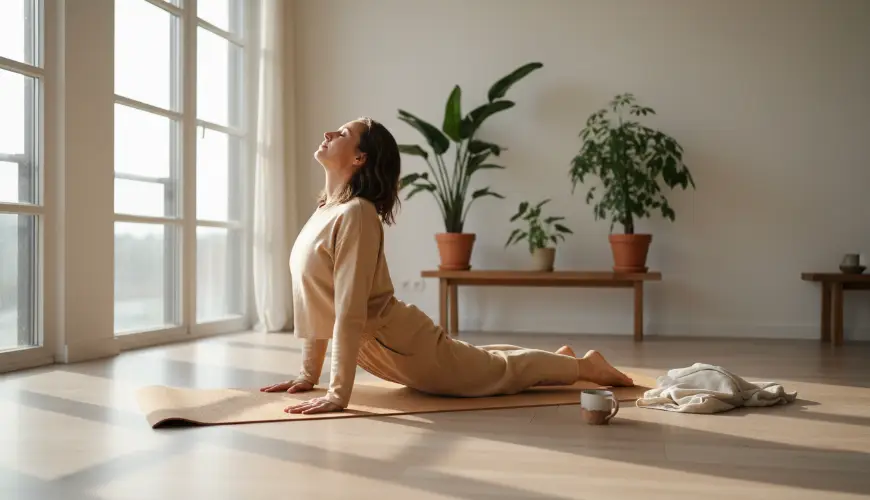
There are exercise systems that survive decades of fitness trends and still maintain devoted followers around the world. The Five Tibetans is one of them. This ancient sequence of five simple movement rituals has been making a comeback in recent years among people looking for a way to start their day with energy, a clear mind and a healthy body – without spending hours at the gym or purchasing expensive equipment.
The story of the Five Tibetans dates back to 1939, when American colonel Peter Kelder published a book titled The Eye of Revelation, in which he described a series of five movement exercises he claimed to have discovered in a Tibetan monastery. According to legend, Tibetan monks have been practising these exercises for centuries as a means of maintaining vitality, a youthful appearance and mental clarity. Whether we take this story literally or with a grain of salt, one thing is certain: thousands of people around the world today incorporate this sequence into their morning routine and swear by its effects.
Try our natural products






What exactly the Five Tibetans are and how they work
The sequence consists of five movement exercises – sometimes referred to as the "five rites" or "five Tibetans". Each is traditionally repeated twenty-one times, though beginners can start with as few as three repetitions and gradually increase. The entire sequence takes approximately ten to twenty minutes, depending on pace and number of repetitions, making it an ideal morning practice even for the busiest among us.
The first rite is spinning in place – the practitioner rotates around their own axis in a clockwise direction. The second rite resembles yoga: lying on your back and lifting both legs and head simultaneously. The third rite involves kneeling and arching backwards, the fourth is a movement resembling a "table" – lifting the hips from a seated position. The fifth rite alternates between downward-facing dog and cobra pose, movements well known to anyone who has ever practised yoga.
From a modern physiological perspective, these exercises activate the entire body – they strengthen the spine, open the chest, stimulate the digestive system and improve blood circulation. The traditional Tibetan interpretation speaks of activating seven energy centres – chakras – and harmonising so-called "energy vortices" in the body. Whichever perspective one adopts, the results reported by practitioners speak for themselves.
Interestingly, modern research in movement therapy and yoga confirms many of the effects that ancient traditions attributed to similar sequences. According to a study published in the Journal of Bodywork and Movement Therapies, regular exercise combining breathing, stretching and strengthening demonstrably reduces cortisol levels and improves overall wellbeing. The Five Tibetans offers precisely this combination.
Take Markéta, a forty-three-year-old accountant from Brno, who started the sequence three years ago on a friend's recommendation. "At first it seemed absurd to spin in place like a child," she says. "But after two weeks I noticed I was waking up earlier, had more energy, and the back pain that had troubled me for years had significantly eased." Markéta's story is not unique – thousands of practitioners around the world share similar experiences.
Why morning is the ideal time for this sequence
The question of timing is not coincidental. Morning hours hold a special place from both a physiological and psychological perspective. After a night spent in a horizontal position, the body needs a gentle awakening – activation of the joints, stimulation of blood flow and a kick-start to the metabolism. The Five Tibetans fulfils this need in exactly the right way: gently, yet effectively.
There is also a strong psychological argument for a morning practice. When a person does something beneficial for themselves right after waking up, it sets the tone for the rest of the day. This effect is described, for example, by Hal Elrod's research, the creator of the "Miracle Morning" concept, who emphasises that morning rituals shape identity and self-discipline. The Five Tibetans fits perfectly into this framework – it is short enough to fit in before breakfast, yet intense enough to deliver tangible results.
Consistency is key. The Tibetan tradition recommends practising every day without exception, with the monks themselves reportedly never missing a single day. The modern approach is somewhat more forgiving – even three to four sessions per week can bring visible changes, provided one remains consistent over the course of months. As an old Tibetan proverb says: "A small step every day surpasses a great leap once a year."
Another reason why morning exercise is particularly effective is its influence on cortisol. Levels of this stress hormone are naturally highest in the morning, shortly after waking – this is a natural mechanism that prepares the body for daily activities. Movement at this time helps "consume" cortisol through natural means, thereby preventing chronic stress and its negative effects on the immune system, digestion and sleep.

How to get started and what to watch out for
Starting the Five Tibetans is not complicated, but it requires a certain degree of patience and self-awareness. The most common mistake beginners make is excessive enthusiasm – immediately performing all twenty-one repetitions can cause dizziness, muscle fatigue or strain on the spine. Both Tibetan tradition and modern instructors consistently recommend starting with three repetitions of each rite and adding two repetitions each week until the full count is reached.
The first rite – spinning – deserves special attention. Many people experience dizziness after spinning, especially at the beginning. This is completely normal and usually subsides after a few weeks of practice. It helps to fix your gaze on a single point in front of you, similar to what ballet dancers do when performing pirouettes.
Breathing is crucial throughout the entire sequence. Each movement should be synchronised with inhalation and exhalation – this is not merely an aesthetic requirement, but a physiological necessity. Proper breathing increases oxygenation of tissues, helps maintain balance and deepens the overall effect of the exercise. If you are unsure about the correct technique, it is worth attending at least one workshop or watching high-quality instructional videos from certified yoga instructors.
People with certain health conditions should consult their doctor before beginning the sequence. This applies particularly to those with cervical spine problems, high blood pressure or serious joint issues. However, for the vast majority of healthy adults, the sequence is safe and adaptable to individual needs.
As for equipment, the Five Tibetans requires virtually nothing. All you need is an exercise mat, comfortable clothing and a patch of floor. For those who want to get the most out of their morning ritual, a quality yoga mat or natural textile clothing that doesn't restrict movement and wicks moisture away effectively can be a pleasant addition. Simplicity is, after all, one of the greatest strengths of this sequence – it requires neither a gym membership, nor expensive accessories, nor a significant time commitment.
The Five Tibetans can also be wonderfully combined with other elements of a healthy lifestyle. Many practitioners incorporate the sequence as part of a broader morning ritual that includes meditation, a gratitude journal or a glass of warm water with lemon. Such a combination of physical activity, a calm mind and mindful nutrition can serve as an extraordinarily powerful foundation for the entire day.
The social aspect is also noteworthy – communities of Five Tibetans enthusiasts exist around the world, sharing experiences, tips and mutual support. Groups on social networks, local workshops and online courses make it possible to connect with like-minded people who share the same values and goals. This community can be a valuable source of motivation, especially during the first few weeks when the temptation to skip the morning practice is greatest.
According to the World Health Organization, adults should engage in at least 150 minutes of moderate-intensity physical activity per week. The Five Tibetans performed every day covers approximately one third of this recommendation – and that with just ten minutes a day. Not a bad investment for such a small time commitment.
Finally, perhaps most importantly of all, it is worth recognising that the Five Tibetans is not merely an exercise sequence. It is a ritual in the deepest sense of the word – a conscious daily choice to dedicate a few minutes to oneself, to one's body and to one's mind. In an age when we are constantly bombarded by notifications, work obligations and external demands, such a choice is rare and precious. Every morning that a person unrolls their mat and performs these five movements is a small act of self-care – and it is precisely these small acts, repeated day after day, that shape a healthy and fulfilling life.