
# Jak efektivně uklidit celý byt za 30 minut před návštěvou Návštěva přijde za půl hodiny a byt vyp
The doorbell rings. A glance at the phone reveals a message: "We're downstairs, can you let us in?" And at that moment comes that familiar panic attack – laundry is spread across the living room, dirty pots are sitting in the kitchen, and the bathroom looks like an entire family of wolves has been living in it. Almost everyone knows the feeling. An unexpected visit is one of those situations that can cause stress even in otherwise calm people. The good news, however, is that 30 minutes is enough to make a flat look presentable – if you know what you're doing.
The key is not perfection. No guest arrives with a magnifying glass and a checklist. It's about the overall impression, the feeling a space creates. And that can be influenced more quickly than you might think. It comes down to the right order of steps, a bit of smart thinking, and a few tried-and-tested tricks that experienced housekeepers know very well.
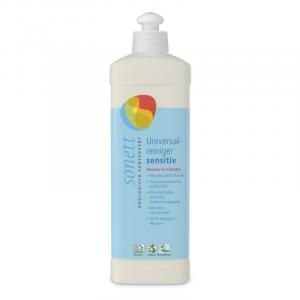
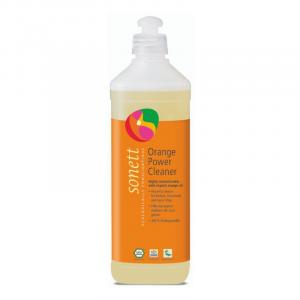
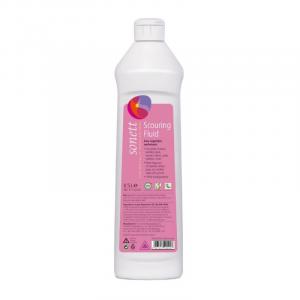
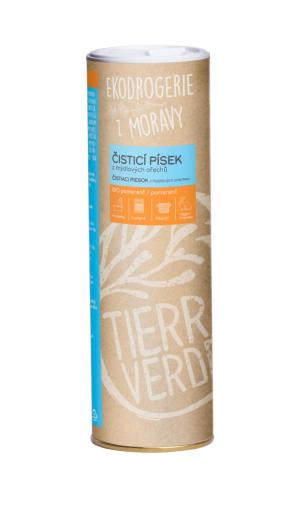
Try our natural products
The psychology of first impressions: what guests actually see
Before you even start cleaning, it's useful to understand what guests focus on first. Research in environmental psychology repeatedly shows that people assess a space within the first few seconds – primarily based on visual clutter, smell, and the overall sense of cleanliness. This doesn't mean every surface needs to be polished to a mirror shine. It means that visible chaos, unpleasant odours, and dirty key surfaces are what truly matter.
The entrance hallway, living room, and bathroom are the three spaces guests perceive most intensely. The kitchen comes into play only if food will be cooked or served there. Bedrooms, studies, or storage rooms are completely irrelevant in the vast majority of cases – and that's a liberating realisation, because it significantly narrows the battlefront.
Italian designer and writer Massimo Vignelli once said: "Clutter is a symptom of the inability to organise one's thoughts." Whether you agree with this statement or not, one thing is certain – an tidy space feels like a space where thinking is clear. And guests sense this subconsciously.
Thirty minutes in practice: a concrete step-by-step guide
Let's imagine a real situation: Markéta lives alone in a two-room flat in Brno. She works from home, so her flat serves simultaneously as an office, dining room, and relaxation space. One Friday afternoon, a friend calls to say she happens to be in the neighbourhood and would love to stop by for coffee. Markéta has approximately twenty-five minutes. The following approach works perfectly in exactly this kind of situation.
The first five minutes belong to gathering the clutter. Take a large basket, bag, or even an empty box – anything with sufficient capacity – and into it goes everything that's lying where it shouldn't be. Clothes from the sofa, books from the floor, mugs from the coffee table, the remote control stuffed under a cushion. Don't sort, don't put things in their proper places – everything goes into the basket and the basket disappears into the bedroom or a cupboard. This is the fastest way to visually "reset" a space.
The next five minutes are devoted to the bathroom. The toilet gets a quick scrub with the toilet brush, the sink is wiped with a damp cloth, the mirror is polished – ideally with a paper towel or old newspaper, which doesn't leave streaks. Towels are folded or replaced with clean ones, soap is topped up, and the floor is quickly swept or wiped with a damp mop. Bathroom done.
Then comes the kitchen – but only if guests will see it or use it. Dirty dishes are moved to the sink or straight into the dishwasher and covered. Worktop surfaces are wiped down, the bin is checked. If there's an unpleasant smell in the kitchen, quick ventilation helps, or a drop of essential oil on a warm radiator.
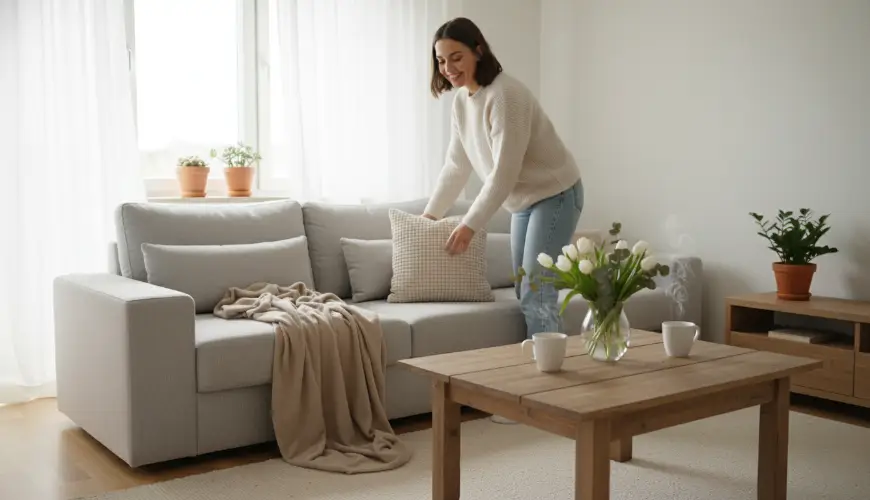
The remaining approximately fifteen minutes are invested in the living room and hallway. Cushions are straightened, a blanket is draped decoratively over the sofa, the carpet is quickly run over with a robot vacuum or at least a hand brush. The hallway is cleared of shoes and coats, the floor is wiped with a damp mop. And then comes one of the most important steps that is often forgotten: ventilation. Windows open for three to five minutes can work wonders. Fresh air is the quickest way to "revive" a flat.
Smart daily cleaning: how to avoid stress next time
Of course, the best preparation for an unexpected visit is a state where preparation isn't actually needed. This doesn't mean living in a showroom, but rather establishing a few simple habits that keep the flat in an acceptable condition on an ongoing basis.
Organisation experts such as Marie Kondo or Joshua Becker from the global minimalist community agree on one principle: every item should have its place and be returned there after use. A simple rule that is surprisingly difficult to follow in practice – but once it becomes a habit, it transforms a home beyond recognition.
In concrete terms, this might look like this: every evening before bed, ten minutes is enough for a flat "reset". Mugs are taken to the kitchen, the desk is tidied, clothes are folded. In the morning, you wake up to a space that is functional and clean. And if an unexpected visitor arrives, there's nothing to worry about.
Another useful approach is zone cleaning – instead of cleaning the entire flat all at once once a week, five to ten minutes each day are devoted to one specific zone. Monday: bathroom, Tuesday: kitchen, Wednesday: living room. Such a system prevents clutter from accumulating and, at the same time, cleaning stops being a mentally taxing task that constantly needs to be put off.
Research published in journals such as Personality and Social Psychology Bulletin suggests that people living in chaotic environments show higher levels of cortisol – the stress hormone. A tidy space therefore doesn't just help aesthetically, but has a direct impact on psychological wellbeing and the ability to concentrate.
Eco-friendly cleaning: a clean flat and a clear conscience
Quick cleaning doesn't have to mean aggressively chemical cleaning. On the contrary – many of the most effective and fastest cleaning methods are also environmentally friendly. Vinegar diluted with water is excellent for mirrors and stainless steel surfaces. Bicarbonate of soda helps remove odours from drains or the fridge. Lemon juice is great for degreasing and leaves a pleasant scent. These natural alternatives are not only more eco-friendly, but also safer for households with children or pets.
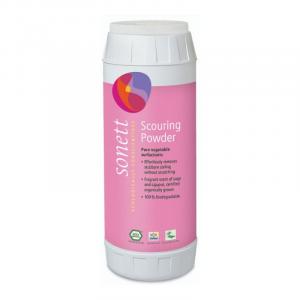
Today, certified eco-friendly cleaning products are readily available on the market, with comparable or even better effectiveness than their chemical counterparts. When choosing, it's worth paying attention to certifications such as Ecocert, EU Ecolabel, or Nordic Swan, which guarantee that a product meets strict environmental standards. Switching to eco-friendly cleaning products is one of the simplest steps towards a more sustainable household – and at the same time an investment in healthy indoor air quality.
It's worth mentioning that quality eco-friendly cleaning products and household accessories – from bamboo cloths to natural soaps and concentrated cleaning solutions – can today be easily found in one place, for example in Ferwer's range, which specialises in products for a healthy and sustainable lifestyle.
Scent as a hidden ally
One aspect of cleaning that is easily overlooked in a quick overview is the scent of a space. A flat can be visually perfect, but if it smells of old rubbish, the previous day's cooking, or dampness, the overall impression suffers significantly. Conversely, a pleasant, subtle scent can subjectively "elevate" a space, and guests will leave with a positive feeling without quite knowing why.
There are several quick ways to rapidly improve the scent of a flat. A diffuser with essential oils can fragrance a room within a few minutes. An alternative is a scented candle, or simply fresh flowers in the living room – these add a visual element too. If only a few minutes are available, opening windows and brewing fragrant tea or coffee helps – their aroma quickly spreads through the flat and creates a pleasant atmosphere.
People subconsciously associate scent with cleanliness and care. It's no coincidence that large hotels pay enormous attention to how their lobbies smell. The same principle applies on a smaller scale to the home.
Key takeaways
An unexpected visit doesn't have to be a source of stress. With a clear strategy, the right order of steps, and a few smart tools, cleaning a flat in thirty minutes is something practically anyone can manage. The foundation consists of a visual "reset" of the space, a clean bathroom, fresh air, and a pleasant scent – these are the four pillars on which a good first impression rests.
And if you also manage to establish small daily habits, the moment will soon come when the doorbell rings and instead of panic, there's a calm: "Come on in, I've just put the coffee on."