

Cold plunge or cold bath strengthens the psyche and immunity
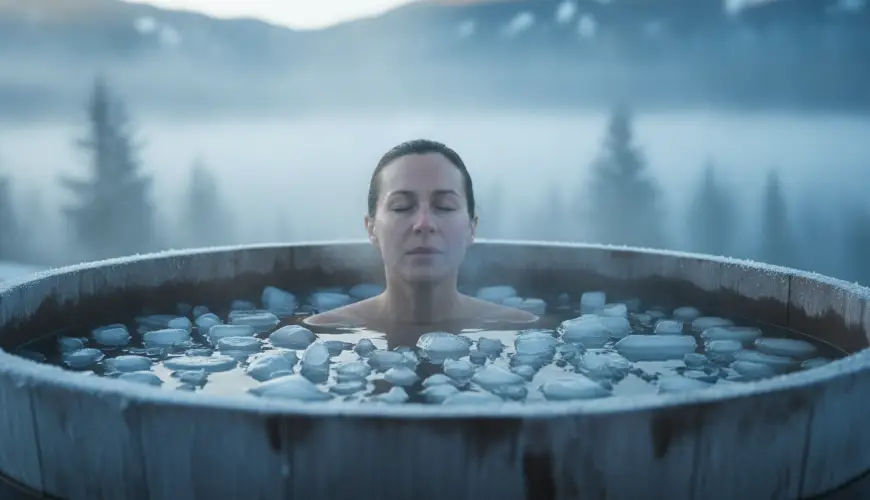
Just a few years ago, most people would have barely been able to resist the urge to tap their temple at the mere mention of voluntarily submerging themselves in ice-cold water. Today, however, cold bathing, or cold plunge, enjoys unprecedented popularity – from elite athletes and biohackers to ordinary people looking for ways to feel better in their bodies and minds. What lies behind this trend, and why has something so unpleasant become one of the hottest wellness phenomena of our time?
The answer is not simple, but it begins with physiology. When the body comes into contact with very cold water – typically between 10 and 15 degrees Celsius – a whole cascade of reactions is triggered. The heart begins to beat faster, blood vessels constrict, and the brain is flooded with endorphins and noradrenaline. It is precisely this chemical storm that is responsible for the characteristic feeling of euphoria and alertness that regular cold plunge practitioners describe as a "system reset." This is not just a fashionable expression – it is a genuine biological response of the organism to an extreme stimulus.
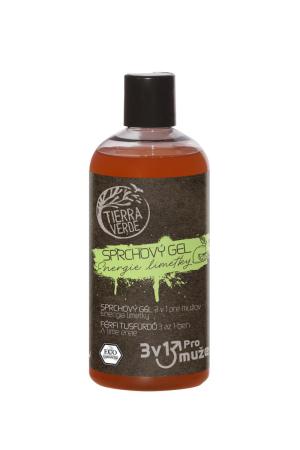
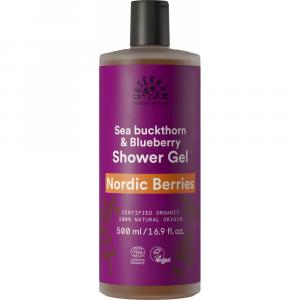
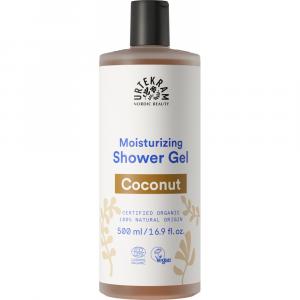
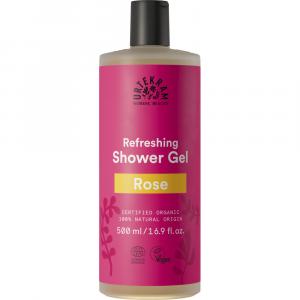
Try our natural products
The science behind cold water
Research in recent years has given cold bathing a more solid scientific foundation than one might expect. A study published in the journal PLOS ONE demonstrated that regular cold water immersion significantly reduces levels of inflammatory markers in the body and supports the immune system. Similarly, research from Finland, where the tradition of winter swimming in lakes has deep cultural roots, repeatedly demonstrates a positive effect on cardiovascular health and mental well-being.
Particular attention is deserved by the effect of cold water on dopamine production. According to neuroscientific findings popularised by, for example, Professor Andrew Huberman of Stanford University, brief exposure to cold can increase dopamine levels by up to 250% – and this effect persists for hours after the procedure ends. This explains why people who incorporate cold plunge into their morning routine describe significantly better concentration, motivation, and overall mood for the rest of the day. This is not a placebo – it is measurable neurochemistry.
Also interesting is the way cold bathing works with muscle recovery. Professional athletes have been using ice baths for decades, but only recently has science examined the mechanism behind this effect in greater detail. Cold causes blood vessels to constrict, thereby reducing swelling and inflammation following intense physical exertion. Once the body warms up again, oxygenated blood floods the tissues, accelerating their recovery. It is therefore no surprise that football clubs such as Manchester City or athletic teams at the Olympic Games have ice baths as a standard part of their recovery protocol.
Nevertheless, it is important to note that the scientific community is not entirely united on some questions. For example, the debate over whether a cold plunge immediately after strength training might inhibit muscle growth is still ongoing. Some studies suggest that intense cold after training may suppress the anabolic signals needed for hypertrophy. The golden rule for many athletes, therefore, is – cold plunge yes, but not immediately after the gym.
What cold plunge looks like in practice
Theory is one thing, reality another. What actually happens when someone tries cold plunge for the first time? Take the example of Martina, a thirty-four-year-old teacher from Brno, who first heard about cold bathing from a colleague. Sceptical but curious, she started simply – with a cold shower in the morning. The first week was, in her own words, "an ordeal that you only survive because you know how soon it will be over." Gradually, however, she began extending the time spent under cold water, and after a month she moved on to a real cold plunge in a garden tub filled with cold water and ice. "I stopped needing as much coffee and started waking up without an alarm," she says with a smile. Her story is not exceptional – thousands of people around the world share similar experiences.
For beginners, experts recommend proceeding carefully and respecting a few basic principles. The water temperature at the start should not drop below 15 degrees Celsius, the duration of immersion should initially be just one to two minutes, and the procedure should be carried out calmly, with conscious breathing. Hyperventilation or panicked breathing are among the main risks during first contact with ice-cold water – they can lead to dizziness or even loss of consciousness. It is therefore sensible to always start in the presence of another person, or at least with someone nearby who is aware of what you are doing.
An important part of the practice is also correct breathing. Many cold plunge practitioners work with breathing techniques inspired by the Wim Hof method – a Dutch athlete and pioneer of cold exposure who astonished the scientific community with his feats in extreme cold, and whose approach is described in more detail on his official website. Controlled, slow exhalations help calm the nervous system and allow the body to better handle the thermal shock. The combination of cold and conscious breathing is, according to many experts, the key to why cold plunge delivers such pronounced psychological benefits.
With the growing popularity of this trend, an increasing number of products are appearing on the market – from portable inflatable tubs and specially designed wooden barrels to sophisticated electric cooling systems that maintain a precise water temperature. For those who want to practise cold plunge regularly and comfortably at home, natural skincare products for use after cold bathing are also available, as repeated exposure of the skin to cold can lead to dryness. Quality moisturisation of the skin with natural oils or body butters after each cold plunge is therefore part of the care routine that regular practitioners swear by.
The psychology of cold: why something so unpleasant does us good
The popularity of cold plunge is driven not only by physiology – psychology plays a role too. We live in an age surrounded by comfort at every turn. Heating, air conditioning, comfortable cars, instant gratification. Both body and mind have grown so accustomed to this comfort that we perceive even the slightest discomfort as a threat. Cold bathing deliberately disrupts this pattern. And that is precisely its hidden power.
As psychologist and resilience expert Kelly McGonigal says: "Every moment we choose discomfort, we strengthen our capacity to face the challenges we don't choose." In this sense, cold plunge is a form of mental resilience training. Each morning, a person voluntarily faces something unpleasant, gets through it, and steps out of the water with the feeling that they can handle the rest of the day too. This effect – professionally referred to as "stress inoculation" – has a demonstrably positive impact on the ability to manage everyday pressure, anxiety, and emotional instability.
It is no coincidence that cold plunge has been embraced by people dealing with chronic stress, burnout, or mild depression. Regular cold exposure activates the parasympathetic nervous system – that part of the autonomic nervous system responsible for calm, regeneration, and recovery. In an era when stress is a civilisational epidemic, cold bathing offers a surprisingly accessible tool for literally "reprogramming" the nervous system.
The cultural dimension of this trend is also remarkable. Cold plunge is not an invention of the modern wellness industry – it is a practice with a millennia-old tradition. Scandinavian peoples have alternated hot sauna with immersion in cold water or snow since time immemorial. The Japanese tradition of "misogi" involves ritual purification in ice-cold water. Russian "winter swimming" and Czech cold-water swimming clubs have their own rich history. In a sense, the modern wellness trend is simply rediscovering wisdom that various cultures practised long before the word "biohacking" ever existed.
An interesting aspect of cold plunge's current popularity is also its democratic nature. Unlike many wellness trends that require expensive equipment or membership in exclusive clubs, cold bathing can be practised completely free of charge – all you need is a cold shower or access to a natural water source. Of course, those who want a more comfortable or more precise experience can invest in specialised equipment. But the essence of the practice remains accessible to anyone with the courage to take the first step – or rather, the first plunge.
It is precisely this combination of scientific grounding, psychological depth, cultural tradition, and practical accessibility that makes cold plunge something more than just a passing trend. It is a practice that, in an age of comfort overload, reminds us of a simple truth: both body and mind need challenges in order to stay strong. And sometimes all it takes is a few minutes in ice-cold water for a person to truly experience that truth on their own skin.