

Ecological hygienic cotton wool and tampons protect your health
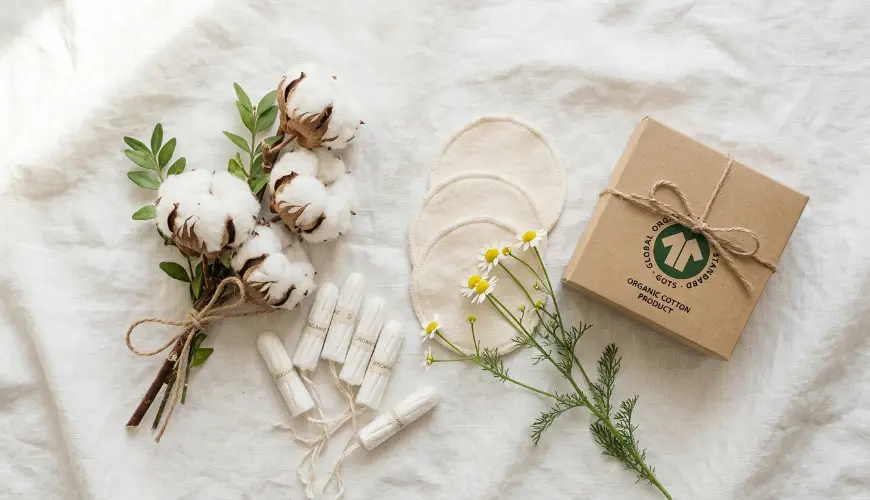
Every month, most women reach for sanitary pads or tampons without giving a second thought to what they are actually made of. This is understandable – it is an everyday routine that happens automatically. Yet in recent years, more and more women have begun asking what exactly they are placing against their bodies, and the answers they find often surprise them. The feminine hygiene market is undergoing a quiet revolution, centred around one word: organic.
But what does that word actually mean? And when is the label "ecological" or "natural" genuine, and when is it simply cleverly packaged marketing?
Try our natural products
Conventional tampons and cotton wool: What lies inside?
Conventional hygiene products – tampons, sanitary pads and cotton wool – are in most cases made from a combination of cotton and synthetic viscose fibre, with both raw materials undergoing intensive industrial processing. This process typically involves chlorine bleaching, which leaves trace amounts of dioxins in the product, or the newer chlorine dioxide bleaching method, which is gentler but still not entirely neutral. The American organisation FDA has noted that although detected dioxin levels are very low, the cumulative effect of lifelong use has not been sufficiently studied.
Beyond bleaching agents, conventional products may contain pesticides – cotton is globally one of the crops with the highest consumption of chemical sprays. According to data from the Environmental Justice Foundation, approximately 16% of all global insecticides are used in conventional cotton cultivation, despite it occupying only around 2.5% of arable land. These substances can persist in the final product even after processing, albeit in minimal concentrations. The problem is that the vaginal mucosa is highly permeable tissue – it absorbs substances faster and more efficiently than, for example, the skin on one's hands. What might cause no issue through skin contact could have a different effect when in direct contact with sensitive mucous membranes.
Another factor is fragrances and deodorising additives, which manufacturers add to sanitary pads or tampons to suppress natural bodily odours. These substances are unnecessary – a healthy vagina maintains a natural pH and microbiome that protect it, and introducing foreign chemicals can disrupt this delicate ecosystem and contribute to the occurrence of yeast infections or bacterial vaginosis.
Ecological cotton wool and tampons: Where does genuine organic begin?
The labels "organic", "ecological" or "natural" on a hygiene product's packaging can carry different weight depending on what exactly is being certified. Not every product with a nature-inspired package covered in leaves and green colours is truly ecological. This is precisely where the ability to read between the lines – or rather, to read certificates – comes into play.
The most widely recognised standard in the field of organic cotton is the GOTS (Global Organic Textile Standard) certification, which guarantees that cotton was grown without synthetic pesticides and artificial fertilisers, and that processing took place under strict ecological and social conditions. A product bearing the GOTS logo has undergone verification of the entire chain from field to final product. A similar assurance is provided by the OEKO-TEX Standard 100 certification, which tests for the presence of harmful substances in the finished product – it does not, therefore, guarantee the method of cultivation, but confirms that the final product does not contain dangerous chemicals above a specified threshold.
Truly ecological cotton wool or tampons should therefore meet several conditions: the cotton should come from certified organic farming, the product should not be bleached with chlorine or contain synthetic fragrances, plastic components or other additives. Ideally, it should also be biodegradable – and this is the point where many "ecological" products still fall short.
An interesting real-life example: Jana, a thirty-year-old teacher from Brno, switched to organic tampons after she began suffering from recurring yeast infections. Following a consultation with her gynaecologist, she tried replacing conventional tampons with certified organic alternatives free of fragrances and synthetic additives. The infections stopped. It cannot, of course, be claimed that the tampons were the definitive cause – but Jana is convinced the change made a difference, and she has not returned to her original products.
As German gynaecologist and women's health author Sheila de Liz once aptly remarked: "The vagina is not a rubbish bin – it deserves at least the same care as your face." These words capture the essence of the entire debate around ecological feminine hygiene better than any statistic.
Ecology extends beyond product composition
Talking about organic tampons and ecological cotton wool means talking not only about a product's composition, but also about its impact on the environment. And this is where the second part of the story opens up – one that tends to be pushed to the sidelines in marketing materials.
The average woman uses approximately 11,000 to 16,000 hygiene products over her lifetime. If these are made from conventional materials and contain plastic components – such as synthetic fibres, plastic applicators or impermeable films on the underside of pads – they take hundreds of years to break down in nature. Research by the Women's Environmental Network estimates that on British beaches, an average of 4.8 hygiene products can be found for every 500 metres of coastline. This is pollution that is silent, invisible, and yet massive in scale.
Organic tampons made from untreated organic cotton break down in nature significantly faster and do not leave behind microplastics. Ecological cotton wool without synthetic additives is compostable. Products without plastic packaging, or with recyclable packaging, reduce the amount of waste across the entire product lifecycle. These are concrete, measurable differences – not merely marketing claims.
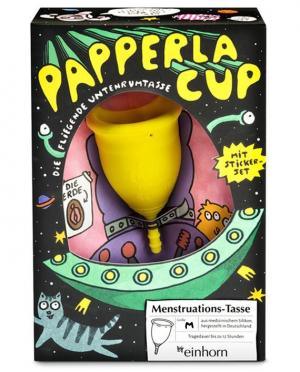
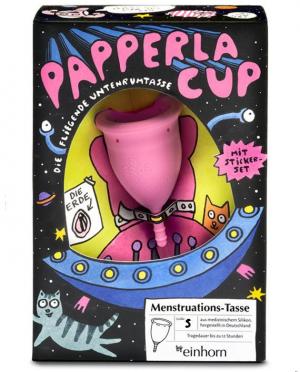
Alongside tampons and cotton wool, it is worth mentioning alternatives that go even further in their ecological approach. Menstrual cups are made from medical-grade silicone, are reusable, and with proper care can last up to ten years. Cloth menstrual pads made from organic cotton or bamboo work in a similar way. These products generate a fraction of the waste compared to disposable alternatives and are also more cost-effective in the long term. This is not a niche trend – according to a survey by Grand View Research, the global market for ecological hygiene products is growing by more than 6% annually, with interest in sustainable alternatives rising significantly among women aged 18 to 35.
It is important, however, not to fall into the trap of assuming that an ecological choice must necessarily be less comfortable or less effective. Modern organic cotton tampons absorb just as well as their conventional counterparts – the difference lies in what they do not contain, not in what they lack. Similarly, ecological cotton wool intended for sensitive skin or the treatment of minor wounds functions identically to conventional cotton wool, but without the risk of contact with pesticide residues.
When choosing ecological hygiene products, it is worth looking out for several specific things:
- GOTS or OEKO-TEX certification on the packaging – this is verifiable evidence, not merely a marketing claim
- Absence of fragrances and deodorants – a healthy vagina does not need fragrancing
- Composition free of synthetic fibres – look for products made from 100% organic cotton
- Biodegradable or recyclable packaging – ecology extends beyond the product itself
- Manufacturer transparency – reputable brands make their composition and certifications easy to find
The market for ecological feminine hygiene is evolving rapidly and the range of options is expanding. There is a growing number of brands built on transparency and genuine sustainability – and equally, a growing number that hide behind an ecological façade without any real substance. The ability to distinguish between the two is therefore more important today than ever before.
Choosing ecological cotton wool and organic tampons is not merely a personal health decision – it is also a small but meaningful step towards more responsible consumption. At a time when the environmental impact of everyday purchases is increasingly coming to the fore, it is worth reflecting even on products we have previously taken for granted. Both the body and the planet deserve such consideration.