

# Washing Machine and the Most Common Mistakes That Shorten Its Lifespan
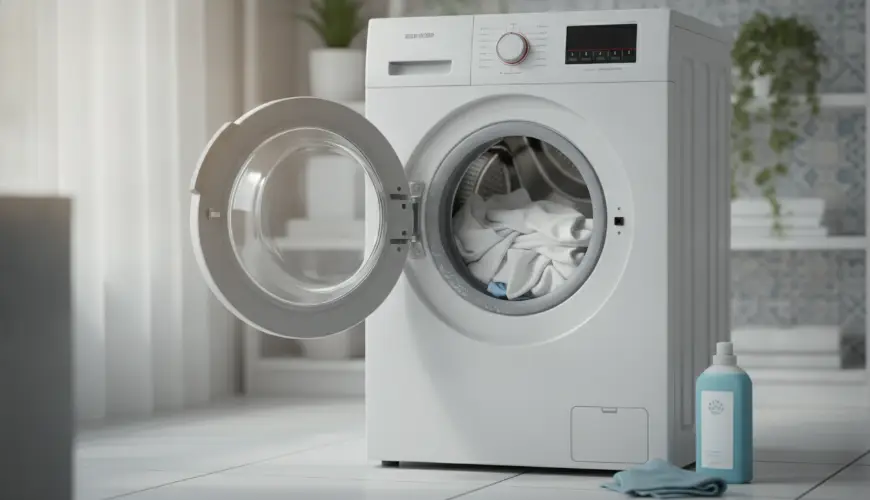
The washing machine is one of those appliances we don't even notice in the household – until it stops working. Most people turn it on, set a programme and walk away. Yet it is precisely this apparent low-maintenance nature that leads us to treat it in ways that gradually destroy its internal mechanisms. The average washing machine lifespan is between ten and fifteen years, but with poor care it can easily give out after five. And since a new washing machine is not a cheap affair, it pays to know what damages it the most.
Interestingly, most of the mistakes that shorten a washing machine's life don't look like mistakes at first glance. Overfilling the drum? Saves time. Adding a little more powder? The laundry will be cleaner, after all. Leaving wet laundry in the drum overnight? You can just take it out in the morning. Yet it is precisely these seemingly innocent habits that cause the repairman to become a regular visitor to the household.
Try our natural products



Overloading the drum and incorrect detergent dosing
One of the most widespread mistakes is overfilling the drum. The logic of "more fits in there, so I'll put more in" seems reasonable, but the physical reality is different. When the drum is overfilled, the laundry cannot move freely, water and detergent cannot reach all the fibres, and the result is not only poorly washed laundry, but also an enormous strain on the bearings, suspension and motor of the washing machine. Manufacturers state the maximum drum capacity in kilograms of dry laundry, and this figure is not a recommendation – it is a technical limit. Regularly exceeding this limit causes premature wear of the bearings, which are one of the most expensive components to repair.
At the other end of the spectrum is washing with too-small loads, which, while not mechanically straining the drum, leads to uneven distribution of laundry during spinning. The machine then vibrates, "dances" across the floor and again stresses the bearings and damping. The ideal drum fill is approximately three quarters of its capacity – the laundry has room to move, but the weight is sufficiently balanced at the same time.
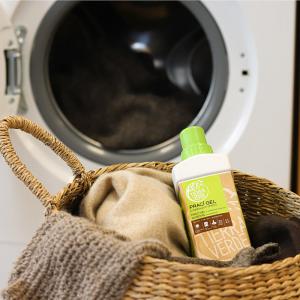
Just as insidious as overfilling the drum is adding too much detergent. Many people think that more powder means cleaner laundry. In reality, excess detergent does not wash out but leaves deposits in the drum, in the door seal, in the hoses and in the filter. These deposits are a breeding ground for mould and bacteria, but they also gradually clog the system and cause pump or valve failures. Detergent manufacturers recommend specific dosing based on water hardness and the degree of soiling of the laundry – and these recommendations are truly worth following.
Modern washing machines are also designed to work with a small amount of water. If you use a detergent intended for older models or exceed the recommended dose, the machine simply does not have enough water to rinse out the foam completely. The result is residue of detergent in the laundry, but also in the internal parts of the machine.
What happens inside a washing machine when we neglect it
A washing machine is not just a drum and a motor. It is a complex system of pipes, pumps, seals, filters and electronics. And each of these components requires a certain amount of care to function properly. Yet most people only open the washing machine door when putting laundry in or taking it out – and forget about regular maintenance entirely.
The pump filter is one of the most frequently overlooked areas. This small filter catches fabric remnants, coins, buttons and other objects that have entered the machine along with the laundry. If the filter is not cleaned regularly – ideally once every month or two – it begins to restrict water flow, the pump has to work against greater resistance and wears out sooner. Manufacturers such as Bosch or Miele recommend cleaning the filter every six weeks, but in practice people usually only remember this when the machine stops draining water.
The door seal – the rubber gasket around the drum opening – is another problem area. Moisture, detergent residue and textile fibres create ideal conditions for black mould growth. Mould not only smells and transfers to laundry, but also gradually degrades the rubber itself. A cracked or damaged seal then causes water leaks, and replacement is neither cheap nor straightforward. All it takes is wiping the seal with a dry cloth after each wash and leaving the machine door slightly ajar so that air can circulate and moisture can evaporate.
The detergent drawer is another place where deposits and mould accumulate. Regularly removing and rinsing the drawer with warm water is a five-minute job that can prevent problems with the dosing system. Similarly with the drum itself – regular cleaning cycles at high temperature without laundry help remove limescale deposits, detergent residue and bacteria. It is recommended to do this once a month, especially if the machine operates predominantly at low temperatures.
Limescale is one of the greatest enemies of a washing machine, especially in areas with hard water. It deposits on the heating element, reducing its efficiency and increasing energy consumption – but most importantly, it overheats the element and shortens its lifespan. Using water softeners or special anti-limescale products is not an unnecessary luxury, but a sensible investment. According to the National Institute of Public Health, water hardness in the Czech Republic is relatively high, especially in Bohemia and southern Moravia, so protection against limescale is particularly important here.
Another aspect that is often underestimated is correctly levelling the washing machine. The machine must stand on a flat surface with all four feet firmly on the ground. If it rocks or vibrates excessively during spinning, this is not just a matter of noise – every such vibration transmits shocks to the bearings, suspension and frame of the machine. Adjustable feet allow the machine to be levelled precisely, yet this adjustment is surprisingly often overlooked when installing a washing machine.
Transporting a washing machine is a chapter in itself. Many people remove the transit bolts that secure the drum when moving house and then throw them away. If the machine ever needs to be moved again, the drum moves freely during transport and can damage the bearings or suspension to such an extent that the machine stops functioning normally after the move. The transit bolts must therefore always be refitted before transport – and kept in a safe place.
Correct connection of the drain hose is also often forgotten. If the hose is inserted too deeply into the drain pipe or is bent in an unsuitable way, backflow of water into the machine or inadequate drainage can occur. Both strain the pump and can lead to faults that at first glance appear to be electronic failures, even though the problem is purely mechanical.
As one repairman with twenty years of experience once remarked: "Most of the faults I see didn't come overnight. They came slowly, year by year, from small things that nobody paid attention to."
An interesting real-life example: a family in Brno bought a new washing machine and were happy with it for the first five years. Then problems began – the machine vibrated, the laundry smelled and eventually it stopped draining water. The repairman found a clogged filter, mould in the seal and worn bearings caused by overfilling the drum. The total repair cost came to more than a third of the price of a new machine. Yet regular care would in all likelihood have prevented these problems.
The choice of wash programmes is a separate chapter. Many people use exclusively short or economy programmes because they save time and energy. These programmes are excellent for lightly soiled laundry, but are not suitable for everyday use with more heavily soiled items. Shorter programmes work with less water and shorter rinsing times, so residues of detergent and dirt remain in both the laundry and the machine. Alternating programmes according to the actual condition of the laundry extends the lifespan of both the machine and the clothing.
Ecological detergents play an interesting role in this context. A gentler formulation reduces the burden on the environment, but some natural products may be less effective at low temperatures or leave more biological material that accumulates in the hoses. This is not a reason to reject them – on the contrary, with correct dosing and regular cleaning cycles at higher temperatures they work excellently and are kind to both the environment and the washing machine.
Proper care of a washing machine is neither complicated nor time-consuming. It is more a matter of changing a few automatic habits – not putting more into the drum than is recommended, dosing detergent according to the instructions, regularly cleaning the filter and seal, and running a cleaning programme from time to time. These small changes can extend the lifespan of a washing machine by several years and save thousands of crowns in repairs or premature replacement of the appliance. And at a time when sustainability and careful handling of possessions are becoming increasingly important, caring for household appliances is also a form of responsible approach to what we own.