

Taking care of a leather sofa will extend its life
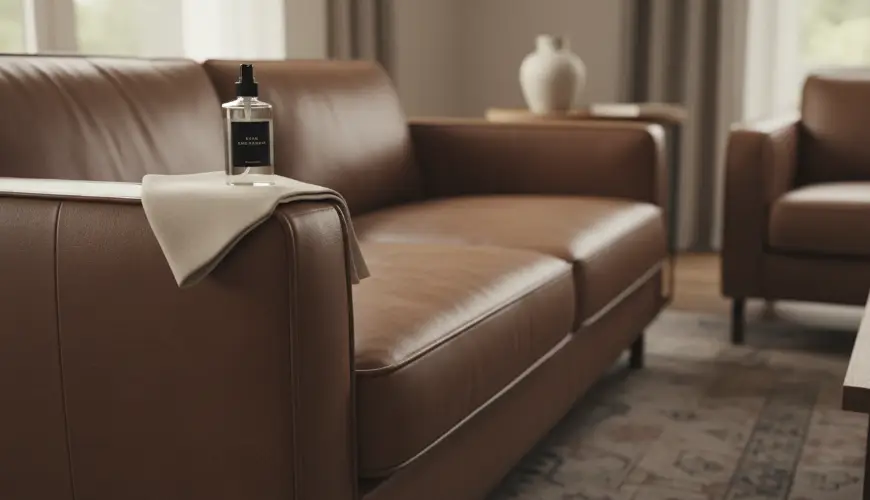
A leather sofa is one of those pieces of furniture that can elevate an entire interior. One glance at its smooth surface and you immediately sense that it's an investment for years to come. But this is precisely where many owners start making a mistake – they assume that quality leather will take care of itself. The opposite is true. Without regular care, cleaning and moisturising, even the most expensive sofa will eventually show signs of wear, lose its lustre and ultimately develop cracks that are not only an aesthetic problem but a practical one as well.
Caring for leather furniture is neither particularly complicated nor time-consuming. It's more a matter of understanding the material, grasping what leather needs, and establishing a few simple habits that will pay off for years to come.
Try our natural products
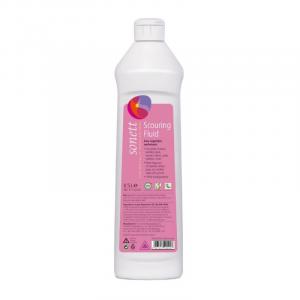
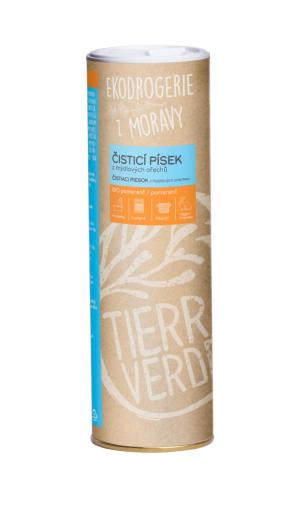
Why leather needs regular care
Leather is a natural material that, even after processing and tanning, retains certain properties of living tissue. It contains moisture, responds to temperature and its surrounding environment, and gradually ages. This is precisely why it behaves differently from plastic or fabric – it can be beautifully firm and durable, yet at the same time sensitive to dryness, direct sunlight or unsuitable cleaning products.
The greatest enemy of a leather sofa is drying out. Leather that loses its natural moisture becomes less supple, stiffer and more prone to cracking. This process occurs slowly and imperceptibly – at first no one notices, but after several years it manifests fully. Cracks on the seat or backrest are not merely an aesthetic problem; once the surface is compromised, the damage spreads more quickly and repair becomes costly or even impossible.
Another factor that damages leather is direct sunlight. UV radiation breaks down the collagen fibres in leather, causing it to fade and become brittle. A sofa positioned opposite a window through which sunlight streams all day can show visible damage within two to three years, even if it has otherwise been perfectly maintained. Similarly harmful are the dry warm air from heating systems or air conditioning, which draw away the remaining moisture from the leather's surface.
Leather also absorbs sweat, body oils, dirt from clothing and various chemical substances from everyday contact. These substances gradually accumulate in the pores of the material and cause it to degrade from within. This is why it is not enough to occasionally wipe leather with a damp cloth – it needs proper cleaning followed by nourishment.
Cleaning a leather sofa step by step
Before embarking on cleaning, it is important to establish what type of leather you are dealing with. Full aniline leather is the most natural and least treated – it looks beautiful but is very sensitive to moisture and stains. Semi-aniline and pigmented leather have a protective coating, are more durable and easier to maintain. Most sofas in ordinary households are made from pigmented leather, which is good news, as it can withstand more intensive cleaning.
The foundation of regular care should be dry cleaning – that is, vacuuming or wiping with a soft cloth at least once a week. This removes dust, crumbs and surface dirt that would otherwise work their way into the leather's surface and cause minor abrasions. A vacuum cleaner is ideal for folds and seams where dirt accumulates most.
Deeper cleaning should take place approximately once every three to six months. This is done using specialist leather cleaning products, available in the form of foam, lotion or spray. These preparations are formulated to dissolve dirt without damaging the surface of the material or disrupting its natural structure. Universal cleaning products, household detergents or acetone should never be used – these substances dry out leather and damage its protective coating.
When cleaning, simply apply the product to a soft cloth or sponge and work in gentle circular motions over small areas. After cleaning, it is advisable to wipe the surface with a clean damp cloth to remove any residue, then allow the sofa to dry naturally – never with a hairdryer or direct heat.
When it comes to stains, the golden rule applies: the sooner, the better. A fresh stain from coffee, wine or sauce can easily be removed from pigmented leather with a damp cloth if dealt with immediately. A dried stain is a considerably tougher challenge and may require a specialist stain remover or even professional treatment.
Moisturising and preventing cracks: the key to a sofa's longevity
Cleaning is only the first part of care. Equally important – and perhaps even more so – is moisturising. Leather that is not regularly nourished will sooner or later begin to crack. Moisturising leather serves the same function as a moisturiser on human skin – it keeps the fibres supple, prevents them from breaking and preserves the natural lustre of the surface.
Specialist conditioners and nourishing leather creams are used to moisturise a leather sofa. These products contain substances such as lanolin, beeswax or various natural oils that penetrate the structure of the leather and replenish lost lipids. Conditioner should always be applied after deeper cleaning, and additionally approximately two to three times a year, depending on how intensively the sofa is used and how dry the air in the room is.
Application is straightforward – simply spread a small amount of the product evenly across the entire surface using a soft cloth or specialist applicator sponge. Allow the product to absorb for approximately twenty to thirty minutes, then wipe away any excess with a dry cloth. After treatment, the surface of the sofa should feel gently lustrous and smooth, not greasy or sticky – if it does, too much product has been used.
Preventing cracks is a topic that deserves special attention. As noted by the Leather Conservation Centre, regular moisturising and protection from UV radiation are the most effective ways to extend the lifespan of leather items. Cracks develop gradually – first fine wrinkles appear on the surface of the leather, then they deepen and eventually become visible fissures. This process can be significantly slowed or stopped entirely if regular care is begun early enough.
Alongside moisturising, correct placement of the sofa plays a major role. The distance from radiators should be at least fifty centimetres; direct sunlight is best avoided entirely, or at minimum curtains and blinds should be used during the sunniest hours of the day. During winter months, when heating significantly reduces the humidity in a room, a humidifier will help – benefiting not only the leather sofa but the entire interior.
An instructive real-life example: one family purchased a luxury leather sofa and placed it directly opposite a south-facing French window. After three years, the surface of the sofa was noticeably faded, the first cracks had begun to appear on the seat surfaces, and the overall appearance was not in keeping with either the price or the age of the piece. The family's neighbours had bought a sofa from the same collection, placed it against a wall away from direct light and regularly treated it with conditioner. After the same period of time, their sofa looked almost new. The difference lay not in the quality of the product, but entirely in the care and conditions of use.
There are also protective products that form a thin protective film on the surface of the leather, preventing the penetration of dirt and moisture. These impregnating sprays are particularly suitable for sofas in households with children or pets, where the risk of soiling is higher. It is important, however, to choose products specifically designed for leather – products intended for fabric or footwear may have a different composition and could damage the leather.
A special chapter is caring for leather in households with cats or dogs. Animal claws are one of the most common causes of damage to leather sofas. Protective films or specialist seat covers can help, as can regularly trimming pets' claws. There are also specialist repellent sprays that deter animals from the sofa without damaging the leather surface.
For those seeking more eco-friendly alternatives to conventional chemical products, there are natural products based on beeswax, coconut oil or linseed oil. These preparations are gentle both on leather and on the environment, while providing comparable protection to conventional products. It is important, however, to test them first on an inconspicuous area, as natural oils can in some cases slightly darken the leather.
As furniture designer and restorer Paul Frieze once said: "Leather is a material that improves with age – but only if it is cared for. Neglected leather ages; tended leather matures." This thought aptly describes the difference between a sofa that looks worn after ten years and one that acquires patina and character.
Regular care of leather upholstery need not be expensive or complicated. A basic set of products – a cleaning agent, conditioner and, if required, an impregnating spray – costs a matter of a few hundred crowns and will last several years of use. Compared to the price of a new leather sofa, which runs into the thousands or even tens of thousands of crowns, it is a negligible investment that pays back a hundredfold in the form of preserved beauty and functionality.
A leather sofa is an item that can pass from generation to generation – provided it receives the care it deserves. All it takes is a little regularity, the right products and a degree of respect for a material that has its own history and its own character.