

# Create the Perfect Wellness Weekend Right at Home

The idea of a wellness weekend is, for many people, associated with a luxury hotel, a pool with thermal water, and staff bringing smoothies on a silver tray. The reality, however, is that true regeneration doesn't require a large budget or distant destinations. A home wellness weekend can be just as effective as a stay at a spa – and in many ways even more enjoyable, because it can be tailored precisely to your own needs, rhythm, and taste.
Just look at the Japanese concept of shinrin-yoku, or „forest bathing", which has gradually spread throughout the world. Its essence requires no special equipment or expensive club membership, but rather conscious slowing down and being present in the moment. This very principle can be applied to a weekend spent at home – with a little preparation and determination to transform it into a true oasis of calm.
Try our natural products




Preparation is half the battle
A home wellness weekend doesn't begin on Saturday morning. It starts on Thursday or Friday, when you need to set the conditions so that your home truly becomes a place of regeneration. The first step is turning off work notifications and emails – ideally for the entire weekend. It sounds simple, but many people underestimate this boundary and then wonder why they can't manage to rest even on the weekend.
Alongside a digital detox, it's important to prepare the space. This doesn't necessarily mean a major clean, but rather a conscious arrangement of the home so that it feels calm and cosy. A few fresh eucalyptus branches in the bathroom, candles with natural scents, a clean and tidy side table by the sofa – such small gestures have a surprisingly large impact on how we feel in a space. Research in environmental psychology repeatedly confirms that order and natural elements in an interior reduce cortisol levels, the stress hormone.
Part of the preparation also involves stocking up on everything you need. Fresh fruit and vegetables, quality teas, and perhaps ingredients for homemade scrubs or masks – all of this is better bought in advance so that trips to the shop don't disrupt the weekend. If you want to practise yoga or meditation, prepare your mat and comfortable clothing. Small rituals that you plan in advance are then easier to make a reality.
It's equally important to let those around you know that you're planning to rest. Jana, a friend who works as a graphic designer and suffers from chronic exhaustion, describes how a simple message to her family made a fundamental difference: "This weekend I'm unavailable unless it's urgent." For the first time in her life, she says she truly rested – without ever leaving her flat.
What to do to make the weekend truly regenerative
Once the environment is prepared and boundaries are set, the more enjoyable part arrives – the programme itself. The key to a successful home wellness weekend is a conscious combination of care for the body, mind, and soul, with none of these areas being neglected.
Care for the body begins with sleep. It may seem obvious, but many people underestimate the fundamental impact that quality sleep has on overall health. According to recommendations from the National Sleep Foundation, adults should sleep 7–9 hours per day – and the weekend is an ideal opportunity to at least partially repay this debt. Don't set an alarm, let your body wake on its own, and don't rush straight to your phone.
The morning can then begin with a slow, mindful breakfast. Instead of a quickly swallowed piece of toast at the computer, take time to prepare something nourishing – perhaps porridge with fresh fruit, a smoothie bowl, or eggs with avocado. Food is part of wellness, not only in terms of nutrients but also in terms of the entire ritual of preparation and consumption. Mindful eating, where you focus on the taste, smell, and texture of food, is itself a form of meditation.
Movement shouldn't be absent, but it doesn't need to take the form of intense training. On the contrary – for regeneration, activities such as yoga, tai chi, a slow walk in nature, or stretching are more suitable. If you don't know where to start, there is an abundance of free videos on platforms like YouTube, where reputable instructors offer classes for all levels. Thirty minutes of morning yoga can set the tone for the entire day in a way that's hard to imagine until you've tried it.
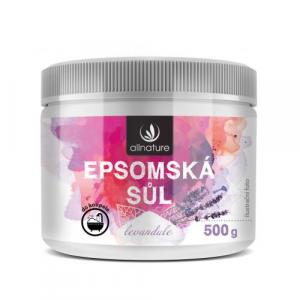
The bathroom transforms into a private spa room during a home wellness weekend. Preparing an aromatherapy bath with the addition of Epsom salt, essential oils, and dried herbs is simple yet incredibly effective. The magnesium in Epsom salt is absorbed through the skin and helps to relax tense muscles, while essential oils such as lavender or eucalyptus have a calming or refreshing effect on the nervous system. After the bath, treat yourself to skincare – a natural scrub made from sugar and coconut oil, a clay mask, or jojoba oil as a moisturiser.
Meditation and mindfulness are further pillars of genuine rest. "Calm is not the absence of noise, but the presence of inner peace," wrote philosopher and author Thich Nhat Hanh – and it is precisely this presence that matters. Even ten minutes of quiet meditation per day demonstrably reduces anxiety and improves the ability to concentrate. Apps like Insight Timer offer thousands of free meditations in various lengths and styles, so everyone can find what suits them.
Reading an actual book – not a news feed or social media – is another way to give the mind the rest it needs. Research published in the journal PLOS ONE showed that just six minutes of reading can reduce stress by up to 68%. Choose a book that has long appealed to you, settle into a comfortable chair with a cup of tea, and let yourself be carried away.

Food as part of the ritual
It's impossible to talk about a home wellness weekend without addressing diet. There's no need to switch to a strict detoxification diet or torment yourself with guilt over every bite. It's more about the conscious decision to eat foods that are good for the body – fresh, minimally processed, and where possible local or organic.
Preparing food can be part of the ritual itself. Slowly cooking a root vegetable soup, baking homemade bread, or preparing fermented foods such as kefir or kimchi – all of these are activities that engage the senses, calm the mind, and at the same time produce a result in the form of nourishing food. It's no coincidence that interest in slow cooking and fermentation has grown sharply in recent years – people are intuitively seeking ways to slow down and reconnect with natural rhythms.
For hydration, water with added fresh herbs, citrus, or cucumber, or herbal teas, are ideal. Green tea, chamomile, lemon balm, or adaptogenic herbs such as ashwagandha make excellent companions for a weekend focused on regeneration. Each has specific effects – chamomile calms, green tea gently stimulates without a sharp caffeine spike, lemon balm supports sleep, and ashwagandha helps the body cope with stress.
Digital detox as the foundation of everything
In today's age of constant connectivity, limiting screen time is probably the most difficult, yet also the most important, part of a home wellness weekend. The average person spends more than ten hours a day in front of a screen – and even if that seems extreme, it's enough to add up the time spent at a computer at work, in front of the television in the evening, and on a phone in between. On a weekend dedicated to regeneration, it makes sense to radically reduce this time.
This doesn't mean you have to give up all technology entirely. Playing relaxing music, using a meditation app, or looking up a recipe for a healthy dinner are all legitimate uses of devices. What is problematic is passively scrolling through social media, following the news, or responding to work messages – these activities don't give the brain rest, but instead overload it with a constant stream of information and stimuli.
Instead, you might try activities that are surprisingly uncommon today: writing a journal, drawing, playing a musical instrument, doing a jigsaw puzzle, or simply sitting by the window and observing the world outside. These seemingly "unproductive" activities are in fact enormously valuable for mental health and creativity.
A home wellness weekend is not about perfection or following an exact programme. It's about intention – the conscious decision to dedicate time to yourself, your body, and your mind. Whether that means two hours in the bath with a face mask and an audiobook, a day spent cooking and reading, or a weekend full of yoga, meditation, and walks in nature – everyone has the right to define their own wellness in their own way. And the most precious thing about all of it is that you don't need to go anywhere far to do it.