

How to Care for Yourself After Birth to Heal Gently and Find Peace of Mind
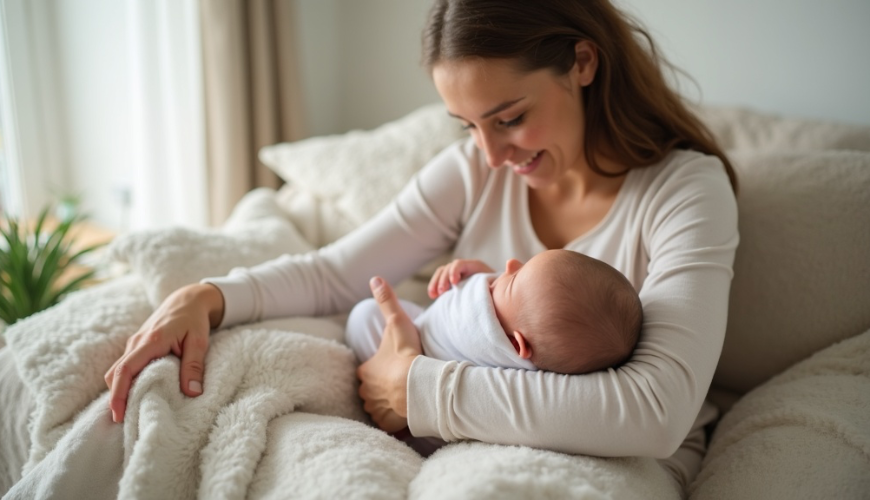
The postpartum period and the weeks following are often described as a time when one "should" mainly breastfeed, change diapers, put the baby to sleep, and somehow function. However, during this time, the body is healing, hormones are fluctuating like the tides, and the mind is trying to grasp the fact that life has been rearranged overnight. In such moments, the advice to "rest" sounds almost like a joke because who has the time? Yet, this is precisely where the answer to the question how to take care of oneself after childbirth begins—not as a luxury bonus, but as a basic necessity for daily functioning.
Self-care after childbirth is not a race to see who can fit back into their jeans the fastest. It's more like quietly and persistently piecing one's strength back together. Taking care of a woman's body after childbirth involves healing, sleep, nutrition, mental health, and self-perception. At the same time, it is surprisingly practical: when a mother feels at least somewhat cared for, she usually responds more easily to her baby's needs, manages challenging moments more effectively, and has more space for joy.
Try our natural products
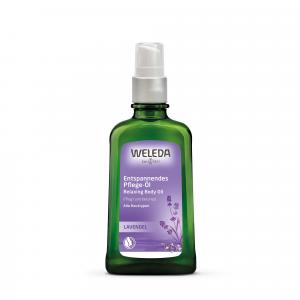
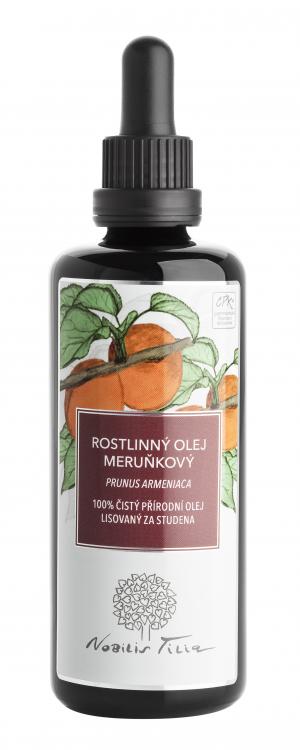
Why self-care after childbirth is important – and how it benefits the baby
One might wonder: isn't it selfish to think about oneself when there's a newborn? But "selfish" is often just a label for something that is actually necessary. Why self-care is important after childbirth and how it benefits the baby can be explained quite simply: the baby needs an adult who is as stable as possible—both physically and mentally. This doesn't mean being calm all the time. It means having at least small resources to draw from.
When the body lacks basic regeneration, fatigue, irritability, and increased sensitivity to stress occur. And stress often spills over into the entire day: into the tone of voice, the ability to patiently attempt breastfeeding, and the persistence required for putting the baby to sleep. On the other hand, even a small "recharge" can make a noticeable difference. It's not about perfection, but about sufficiency.
It's also good to keep in mind that the postpartum period is a significant change from a medical perspective. The uterus is healing, some women are dealing with a cesarean scar or birth injuries, and the body is gradually returning to a different hormonal balance. Add fragmented sleep to that. It's no coincidence that recommendations often emphasize calm and gradual progress. For a broader context on postpartum changes and mental health, resources like the WHO's overview of mental health in the perinatal period or information on postpartum care from the NHS can be useful, providing clear descriptions of what happens in the body.
Another layer enters the picture: the relationship. A baby perceives the rhythm of the day, touch, voice, and safety. When a mother is in long-term exhaustion, safety doesn't disappear, but moments when everything feels "too much" are more likely to occur. This is where self-care proves to be both kind and practical. As a frequently cited rule from crisis psychology states: "Put on your oxygen mask first, then help others." It's a simple metaphor that makes surprisingly concrete sense during the postpartum period.
Taking care of a woman's body after childbirth: gently, gradually, and without performance pressure
The postpartum body deserves more respect than it sometimes receives from the outside world and from one's inner voice. Taking care of the body after childbirth is not about "working hard," but rather about creating conditions for healing. The basic building blocks are usually sleep (even if interrupted), hydration, energy- and nutrient-rich food, and gentle movement that doesn't harm the body.
Sleep often cannot be "organized," but it can be protected. Simplifying the household to a minimum can sometimes help: clean dishes are nice, but a clear mind is more valuable at that moment. If possible, it pays off to catch short breaks—not as an ambitious plan but as a reflex: when the baby falls asleep, it's possible to lie down for ten minutes as well, even if it's just to close one's eyes. Rest without sleep is still rest.
Hydration and food may sound trivial, but in practice, they are often neglected the most. Having a glass of water "within reach" at the breastfeeding or feeding spot can be one of the best tricks. Similarly, having quick snacks that don't require cooking: nuts, yogurt, fruit, bread with something nutritious. It's not about dieting, but about fueling the body to heal.
Movement is a chapter of its own. It depends on the course of the birth, the doctor's recommendation, and how the woman feels. In the beginning, "movement" can easily be a short walk with a stroller or gentle stretching for the back, which suffers from carrying and breastfeeding. For some women, it makes sense to gradually incorporate breathing exercises and work with the deep stabilization system, but without performance pressure and without comparing oneself to what others "are already doing."
And then there's skin care and intimate comfort—things sometimes whispered about, even though they are common. Dry skin, nipple sensitivity, changes in sweating, postpartum bleeding, swelling—all of these are realities. Simple, gentle habits help: a lukewarm shower, breathable clothing, gentle cosmetics without unnecessary fragrances, comfortable underwear. In a household that values sustainability and sensitivity to both the body and nature, it makes sense to choose products that are considerate—not only to the skin but also to what flows into the water. Here, self-care naturally intersects with the values of a healthy lifestyle and an eco-friendly household.
One practical little thing that can change the day: prepare a "station" by the bed or armchair—water, something to eat, a charger, lip balm, a cloth handkerchief, a hair tie. It's not pampering. It's prevention of finding oneself thirsty, hungry, and with a phone on the other side of the apartment after an hour of breastfeeding.
How to find time for self-care when there's hardly any
Time after childbirth is not an empty diary slot to simply "manage better." It's a stream of interrupted tasks. Therefore, the question of how to find time for self-care often doesn't have an answer in the sense of "set aside two hours." It has an answer in the sense of "find minutes"—and mainly stop considering them unimportant.
Changing the perspective helps: self-care is not just a massage or a bath. Self-care is also eating on time. Changing out of a sweaty shirt. Brushing teeth. Opening the window for five minutes and taking a deep breath. It sounds modest, but in postpartum days, it's often what keeps the mind afloat.
The surrounding environment also plays a significant role. Sometimes, it suffices to stop waiting for someone to "notice" and say a specific sentence: "Can you please take over the baby for 20 minutes so I can shower and eat?" Specificity is a gift in this period. It's also beneficial to allow help in, even if it's not "perfect": someone brings food, someone takes out the trash, someone folds laundry. Sometimes, self-care occurs in allowing oneself not to be the only person keeping everything together.
A real-life example that repeats in many households: the mother feels she must quickly tidy up the kitchen, respond to messages, and do laundry during the baby's nap. Then the baby wakes up, and she realizes she hasn't eaten or been outside all day. When this is adjusted—even just a little—it might look like having food and water during the first nap, lying down for ten minutes during the second, and doing one household task during the third. The result? The kitchen isn't always perfect, but the mind is calmer, and the evening isn't as harsh. It's not about laziness; it's about surviving with humanity.
Sometimes a small agreement with visitors helps. Instead of "come anytime," try "come, but please bring something to eat and be prepared for me to take a short break." It's honest and, ultimately, much more pleasant for everyone.
Tips for simple and quick steps to self-care that fit into the day
Postpartum self-care often consists of small acts that are easily doable even in the "baby-in-arms" mode. Tips for quick self-care steps are not meant to be another to-do list, but inspiration from which one or two things can be chosen depending on what makes sense at the moment:
- Water within reach: one large bottle or carafe where you most often sit with the baby.
- Food without cooking: prepared "emergency" snacks that are filling (nuts, fruit, yogurt, bread, hummus).
- Micro-pause for the nervous system: 60 seconds of slow breathing, shoulders down, jaw relaxed, eyes closed.
- Quick hygiene as a reset: even a short shower or just washing the face with lukewarm water can change the feel of the entire day.
- Clean, comfortable clothing: changing into something comfortable isn't vanity but comfort.
- A minute for light and air: open a window, step outside, stand on the balcony.
- One sentence of support: write "I am doing enough" on paper and keep it visible. It sounds simple, but in challenging days it works.
When these small actions are repeated, they gradually create a sense that the day is not just an endless list of others' needs. And sometimes that's precisely what helps bridge an afternoon when the baby doesn't want to be put down, and the household looks like it's just been moved into.
In the postpartum period, there's also often the question of whether it's "normal" to feel sensitive, sad, or anxious. Some emotional volatility is common, but if sadness or anxiety persists, worsens, or is accompanied by hopelessness or a sense of being overwhelmed, it's time to seek help. It's not a failure, but care—for oneself and the child. Useful information and resources can be found with national health institutions and professional organizations; a good starting point is the aforementioned WHO page on perinatal mental health, which helps put the topic into a broader context.
Ultimately, self-care after childbirth often boils down to one question that can be asked even amidst chaos: what is the smallest thing that will relieve me right now? Sometimes it's a sip of water, sometimes it's ten minutes of sleep, sometimes it's a phone call to a friend who won't give advice, just listen. And sometimes it's simply deciding that today there will be no ironing, and the world will not collapse.
The postpartum period is not just about "enduring." There can be found a unique kind of tenderness in it—when one stops pushing for performance and allows oneself to be cared for as naturally as one cares for the baby. In this gentleness, there's surprisingly a lot of strength, and this then flows into everyday small things: into calmer bedtime, a more patient morning, and the feeling that home is not a factory for perfection but a place where one can breathe.