

What Is Postpartum Bleeding and How Does It Progress?

Childbirth is an extraordinary moment for every woman – physically demanding, emotionally intense, and yet full of wonder. But a mother's body is far from done with its work at that point. One of the natural components of the postpartum period is lochia, or vaginal bleeding that accompanies the first weeks after a baby's birth. Although this is a completely normal physiological process, many women don't know exactly what to expect, how long the bleeding lasts, or when they should see a doctor. The answers to these questions are important not only for peace of mind, but for genuine health as well.
The medical term for postpartum bleeding is lochia (from the Greek word lochia, meaning "postpartum discharge"). It is a mixture of blood, remnants of the uterine lining, mucus, and tissue that the body gradually expels as the uterus begins returning to its original size – a process called uterine involution. The entire process is regulated by hormones and is individual for every woman, yet there is a general pattern that can serve as a guide.
Try our natural products
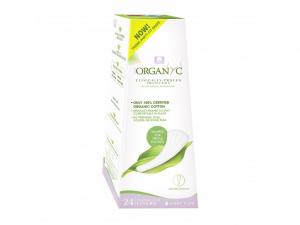
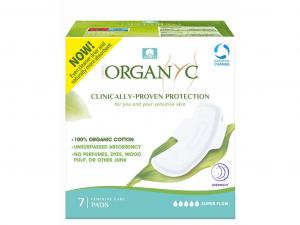
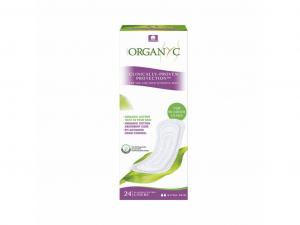
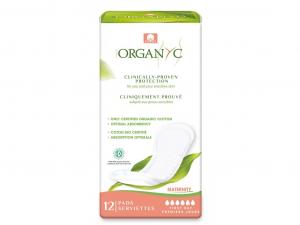


How lochia progresses in the first days and weeks
Immediately after birth, in the first two to three days, bleeding is typically at its most intense. The discharge is bright red, similar to a heavy period, and may contain smaller blood clots. This is completely normal – the uterus is ridding itself of placental remnants and the uterine lining. Many women are alarmed by the amount of blood at this stage, but healthcare providers at the maternity ward are prepared for this and monitor the situation carefully. If clots are no larger than approximately five centimetres, or if you don't need to change a pad more than once an hour, there is no reason to panic.
From around the fourth day, bleeding naturally begins to subside and changes colour from bright red to dark brown or pinkish. The body is still expelling tissue remnants, but the uterus is gradually contracting and bleeding is decreasing. During this period it is important to rest and avoid unnecessary exertion – physical activity can temporarily increase the intensity of discharge, as it promotes blood flow to the pelvic area.
The second week after birth brings further change. The discharge becomes lighter, transitioning to pink or light brown, and its volume should be significantly reduced. Many women at this stage switch from postpartum pads to regular sanitary pads. Tampons should still not be used, however – they increase the risk of infection at a time when the uterus is still healing and sensitive.
The third and fourth weeks are a period when, for most women, lochia transitions to a light yellow or white discharge. Bleeding practically ceases, although occasional light spotting may persist. The uterus is by this point approaching its pre-pregnancy size and the body's overall condition is stabilising. Some women notice that if they exert themselves physically during this period – for example with a longer walk or housework – the discharge temporarily intensifies or a pinkish colour returns. This is the body's signal to slow down.
The fifth and sixth weeks are typically the end of postpartum bleeding for most women. Discharge ceases entirely or persists only as very light, barely noticeable spotting. This is precisely why the first postnatal gynaecological check-up is usually scheduled around the sixth week – the doctor checks whether the uterus has returned to its normal size and whether everything has progressed without complications. The World Health Organization emphasises in its recommendations for postnatal care that this check-up is key for the timely detection of any potential problems.
When lochia signals a problem
Although postpartum bleeding is a natural process, there are situations where medical attention must be sought without unnecessary delay. One of the most important warning signs is a sudden increase in bleeding at a time when it should be naturally subsiding. If a woman in the second or third week after birth suddenly experiences intense bleeding similar to the first days, this may indicate that remnants of the placenta or tissue have remained in the uterus that the body was unable to expel naturally.
Another reason to visit a doctor is an unpleasant odour from the discharge. Healthy lochia has a distinctive but not strongly unpleasant smell – it is described as similar to menstrual discharge. If the odour becomes markedly foul or putrid, this may be a sign of a uterine infection, medically known as endometritis. While treatable, it requires prompt medical intervention, as it can have serious consequences.
A fever above 38 degrees Celsius in combination with postpartum bleeding is another signal that cannot be ignored. Similarly, severe abdominal pain or a general feeling of weakness and dizziness may indicate complications. As one recommendation from the Czech Gynaecological and Obstetric Society states: "The postpartum period is just as important for the mother as the birth itself – neglecting the signs of complications can have serious consequences for a woman's long-term health."
It is also important to note that the course of lochia can differ depending on the mode of delivery. Women who have had a caesarean section generally experience less intense lochia, as part of the uterine contents was removed surgically. Nevertheless, they too go through a similar process and require the same attention and care.
Breastfeeding plays an interesting role in this process. When a baby is put to the breast, the hormone oxytocin is released, causing the uterus to contract. Breastfeeding mothers may therefore experience cramping in the lower abdomen and a temporary increase in bleeding during nursing in the first days after birth – this is physiologically desirable, however, as it accelerates uterine involution and helps the body recover more quickly.

Self-care during postpartum bleeding
Postpartum bleeding itself requires no special treatment, but caring for your body during this period is essential. Rest comes first – and although in the era of "Instagram motherhood" this may sound like a cliché, it is truly the most important thing a new mother can do for herself. The body has just been through one of the greatest physical challenges the human organism knows, and it needs time to recover.
Proper hygiene is another pillar of healthy recovery. Showering rather than bathing is recommended, along with frequent changes of sanitary pads (ideally every two to four hours) and thorough handwashing. Pads should be free of fragrances and chemical additives so as not to irritate sensitive skin. Many women during this period reach for ecological postpartum pads made from organic cotton, which are gentler on the skin as well as on the environment – and products like these can be found in shops focused on healthy and sustainable lifestyles.
Hydration and nutrition have a direct impact on the speed of recovery. A diet rich in iron helps replenish stores that the body has lost through bleeding. Foods with a high iron content include red meat, legumes, spinach, and fortified cereals. Vitamin C consumed at the same time significantly improves the absorption of iron from plant-based sources – so a glass of orange juice at breakfast with porridge is not only tasty, but a functional choice too.
Take Martina, for example, a new mother from the Central Bohemian Region who gave birth to her first child. In the first days after coming home from the maternity ward, the intensity of the bleeding surprised and worried her. No one had informed her in detail beforehand about what exactly to expect. Only after reading information from a midwife and consulting with her gynaecologist did she understand that everything was progressing normally. "If I had known in advance what to expect week by week, I would have been much calmer," she says now, looking back. Her experience is not unique – a lack of information about the postpartum period is unfortunately still common in Czech society.
This is precisely why awareness in this area is so important. It helps women not only manage postpartum bleeding calmly, but also to recognise in time when professional help is needed. Detailed information about postnatal care is offered by the Czech Association of Midwives, which focuses on comprehensive support for women during pregnancy and after birth.
Postpartum bleeding is therefore a natural, if demanding, part of the journey into motherhood. It typically lasts four to six weeks, gradually subsides, and changes colour from bright red through brown to light yellow or white. Every woman is different and every birth is different – which is why the course of lochia can vary too. What remains the same is the need to listen to your own body, not to underestimate warning signs, and to allow yourself sufficient care and rest. Motherhood begins with the birth of a child, but a mother's recovery is an equally important process – and it deserves full attention.