

Try lasagne with zucchini slices instead of pasta
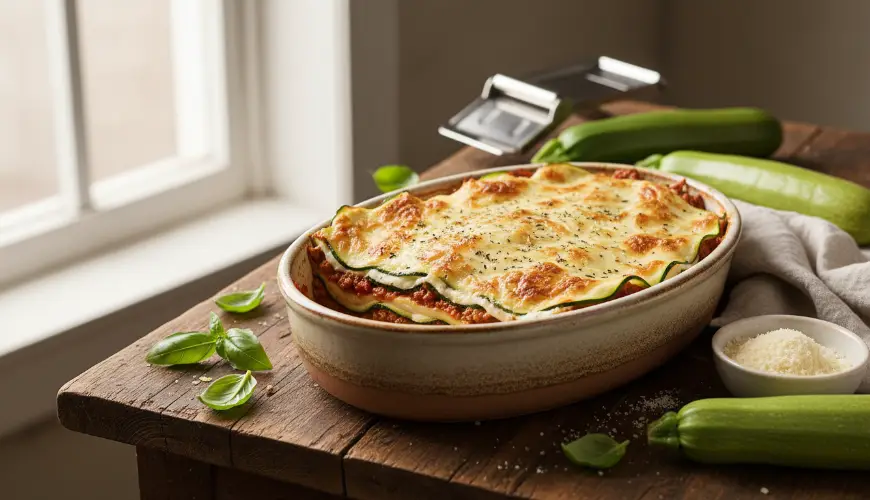
Summer brings one of the garden's most beloved gifts to the kitchen – zucchini. This undemanding vegetable is easy to grow, grows quickly, and is harvested in such quantities that many gardeners can't keep up with using it all. And it is precisely this abundance of zucchini that has inspired cooks around the world to stop seeing it merely as a side dish or soup ingredient. Zucchini lasagna, where thin slices of zucchini replace classic pasta sheets, is proof that healthy cooking doesn't have to be boring or lacking in flavor.
Classic lasagna is undoubtedly an iconic dish of Italian cuisine. Layers of pasta, meat sauce, and béchamel are baked to golden, crispy perfection that can satisfy even the heartiest appetite. But this heartiness comes at a price – in the form of high carbohydrate content, calories, and a heavy feeling after eating. The zucchini variation offers a clever solution: it preserves the structure and logic of lasagna, but replaces the heavy pasta sheets with light, delicate zucchini slices. The result is a dish that tastes wonderful, yet leaves you feeling fresh and full of energy after lunch.
Try our natural products




Why swap pasta for zucchini?
The answer is simple, but contains more layers than might appear at first glance. Zucchini is a vegetable with a very low calorie content – 100 grams of raw zucchini contains approximately just 17 calories, while classic dried pasta has over 350 for the same weight. The difference is therefore enormous. For people who monitor their carbohydrate intake, follow a low-calorie diet, or simply want to eat more lightly, this substitution is a logical step.
But zucchini is more than just an "empty substitute." It contains B vitamins, vitamin C, potassium, and antioxidants that support immunity and heart health. According to Healthline's analysis of zucchini's nutritional value, this vegetable also has a beneficial effect on digestion due to its fiber content and high water content. In other words, zucchini lasagna is not just a lighter version of a beloved dish – it is a meal that actively contributes to the nutritional value of your diet.
Interestingly, this idea was not discovered by modern health food enthusiasts. Italian cookbooks in the poorer regions of the country used vegetables as a pasta substitute long before it became a global trend. The tradition of "cucina povera," or poor man's cooking, was built on the ingenious use of whatever was at hand – and zucchini was always at hand.
The transition from classic lasagna to zucchini lasagna is also a great opportunity for families with children. Many parents struggle with their children refusing vegetables. However, baked zucchini in lasagna loses its typical texture and absorbs the flavors of the sauces and cheese to such an extent that children often don't even recognize it. One practical example: a mother from Zlín shared on a healthy cooking community forum her experience of preparing zucchini lasagna for the whole family without prior warning. Only after the plates were cleaned did she reveal what had replaced the pasta – and the children's reaction was surprisingly positive.
How to properly prepare zucchini lasagna
The biggest challenge when preparing lasagna from zucchini slices is moisture. Zucchini contains a large amount of water, which is released during baking and can cause the dish to become watery and lose its structure. This technical detail discourages many beginner cooks. However, there are simple ways to prevent this problem, and anyone can master them.
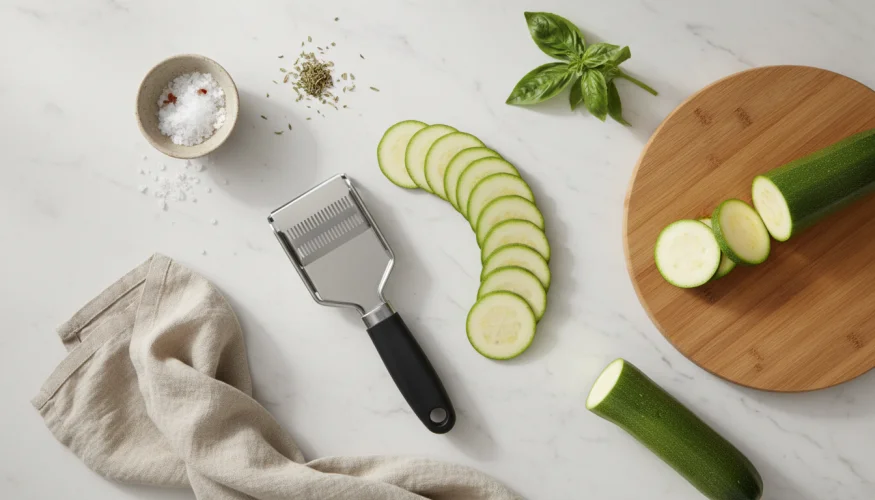
The basic step is to cut the zucchini into thin slices – ideally using a mandoline or a sharp knife to a thickness of approximately 3 to 4 millimeters. The slices then need to be rid of excess moisture. This is most commonly done by spreading the slices on paper towels, lightly salting them, and leaving them to stand for about 20 to 30 minutes. The salt draws out the moisture, which can then be wiped away with a paper towel. An alternative is to pre-bake the slices in the oven or grill them in a dry pan – this evaporates the moisture and slightly firms up the slices, so they hold the lasagna structure better.
Once the zucchini is prepared, the layering itself proceeds the same as with the classic version. A meat Bolognese sauce, or a vegetarian variation with lentils and tomatoes, forms the base. Creamy béchamel or ricotta provides the creaminess. The layers alternate – zucchini, sauce, cheese – and the whole creation is finished with a layer of grated Parmesan or mozzarella. After 35 to 40 minutes in an oven preheated to 180 degrees Celsius, a golden-baked dish with an enticing aroma emerges.
For those who want to go even further in lightening the recipe, there are additional variations. Béchamel can be replaced with Greek yogurt mixed with egg and herbs, or creamy cottage cheese with garlic. The meat sauce can be prepared without much loss of flavor using ground turkey or chicken instead of beef. And those who prefer a completely plant-based diet can reach for lentils, chickpeas, or a combination of mushrooms and soy mince.
Zucchini lasagna can also be prepared in smaller portions – in individual baking dishes. This is practical not only from a serving perspective, but also for portion control. Each guest receives their own dish, which looks elegant while also saving time when cutting.
As French chef Auguste Escoffier once said: "Good cooking is the foundation of happiness." And in the case of zucchini lasagna, this is doubly true – it brings joy both from cooking and from the knowledge that you are eating something that truly benefits your body.
A significant advantage of this dish is also its flexibility. Zucchini lasagna is excellent for meal preparation for the entire week – once baked, it keeps in the refrigerator for three to four days, and its flavor does not diminish when reheated, quite the opposite. The sauces meld with the zucchini and the entire dish develops a deeper, more intense flavor. This is particularly appreciated by those who like to prepare food in advance and don't feel like standing at the stove every evening.
Zucchini lasagna is also naturally gluten-free, which is important for people with celiac disease or gluten sensitivity. Classic pasta is made from wheat flour, and is therefore unsuitable for this group of people. A gluten-free diet doesn't have to mean a compromise in taste – the zucchini version demonstrates this convincingly. According to the Celiac Disease Foundation, approximately 1% of the world's population suffers from celiac disease, but gluten sensitivity without a celiac diagnosis is even more widespread. For all these people, zucchini lasagna is a welcome option for enjoying a beloved dish without concern.
The zucchini season in the Czech Republic lasts approximately from July to September, but zucchinis are available in supermarkets year-round. For the best results, it is recommended to reach for locally grown vegetables – they are fresher, tastier, and by purchasing them you support local farmers. Ferwer offers in its range products that pair wonderfully with this approach to food – from eco-friendly cookware to quality kitchen accessories that make preparing healthy meals easier.
Why continue to cling to heavy pasta when nature offers such an elegant alternative? Zucchini slices adapt to almost any sauce, absorb spices and herbs, while retaining their delicate, slightly sweet flavor that adds freshness to the entire dish. It's not that classic lasagna is bad – it's about expanding horizons and discovering new flavors that can be equally satisfying, or even surprisingly better.
Cooking is at its core a creative act. And zucchini lasagna is a beautiful example of how a small change – swapping one ingredient for another – can bring an entirely new experience. It is proof that healthy food doesn't have to be about deprivation, but about the smart selection of ingredients that benefit the body while also pleasing the taste buds. All it takes is picking up a knife, slicing the zucchini, and starting to layer – the oven does the rest.