
How to Remove Rust Stains from a Bathtub and Tiles
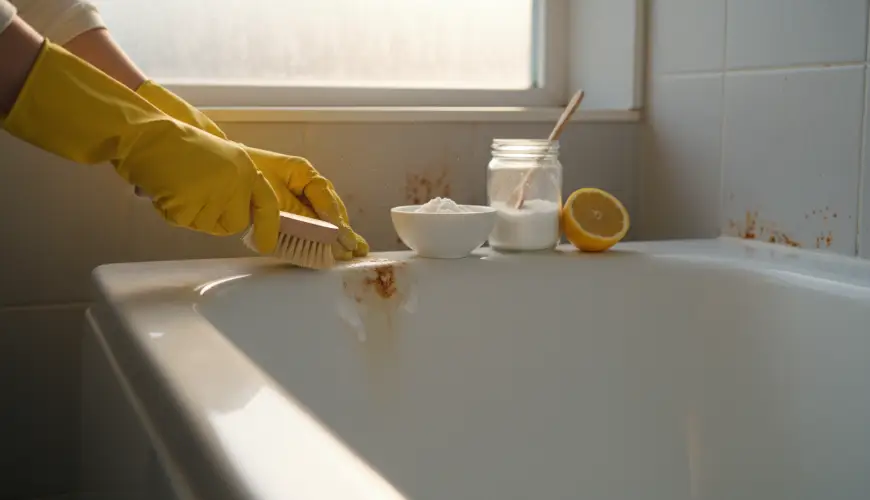
Rust stains are among those household problems that can ruin the impression of an otherwise clean apartment. A few drops of water from the pipes, an older tap, or a metal object left on the floor tiles is all it takes, and within a few days unpleasant brown-orange marks appear on the surface. Many people try to wipe them away with a wet cloth, but this tends to make the situation worse rather than better. Rust stains are not merely surface dirt – they are chemical compounds that can literally eat into the material.
Before tackling the cleaning, it is worth understanding why rust on a bathtub or floor tiles forms in the first place. Iron present in drinking water reacts with oxygen and moisture to produce iron oxide – classic rust. According to the World Health Organization, the presence of iron in water is quite common and not harmful to health, but aesthetically – and for bathroom cleanliness – it is a genuine disaster. Older water pipes, corroding taps, or even metal objects such as cream tins or razor blades leave characteristic stains on surfaces that become harder to remove with each passing day.
Try our natural products


Why ordinary cleaning products are not enough
Most people reach for a universal cleaning spray or bathroom gel. The result is usually disappointing – the stain may lighten slightly, but it does not disappear. The reason is simple: rust stains require an acidic environment capable of chemically breaking down iron oxide. Ordinary cleaning products are neutral or mildly alkaline, so they simply cannot tackle rust. This is exactly what Markéta from Brno discovered when, after moving into an older apartment, she struggled with prominent rust streaks beneath the bathtub tap. She tried several supermarket products, but the stains remained. Only when she used an acidic cleaning agent and left it to work for a sufficient length of time did she achieve a visible result.
The key, therefore, lies in choosing the right product and being patient. Citric acid, oxalic acid, or specialist rust removers are substances that can genuinely dissolve rust. It is important, however, to know what surface the stain is on, because not every product is suitable for all materials.
Care is needed with acrylic bathtubs – abrasive products or aggressive chemicals can scratch the surface or damage its structure, making rust even easier to adhere to in the future. Enamelled bathtubs are more resistant, but even there strong acids can have a negative effect if used incorrectly. With stone or ceramic floor tiles the situation is somewhat more favourable – a glazed surface generally tolerates acidic products better, but even here it is best to start gently and move on to stronger agents only if necessary.
Tried and tested methods and products for removing rust
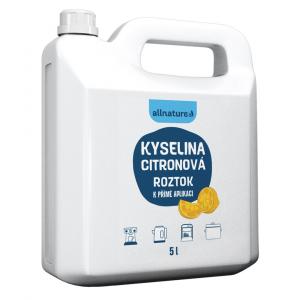
One of the most accessible and surprisingly effective solutions is citric acid. It can be bought in any chemist or grocery shop, it is inexpensive, and it is environmentally friendly. Simply dissolve it in water (approximately two tablespoons per half litre of water), dampen a sponge or cloth with the resulting solution, and apply it to the stain. The longer the solution is left to work, the better – ideally at least 30 minutes, and for older stains several hours is perfectly fine. The stain is then gently scrubbed and rinsed. This method works on most surfaces and is safe for both people and pets.
If citric acid is not sufficient, the next step is oxalic acid, which is found in many commercial rust removers. It is more effective, but also more aggressive – gloves must be worn and the room should be well ventilated. A wide range of products containing this acid and designed specifically for bathrooms and sanitary fittings is available on the market.
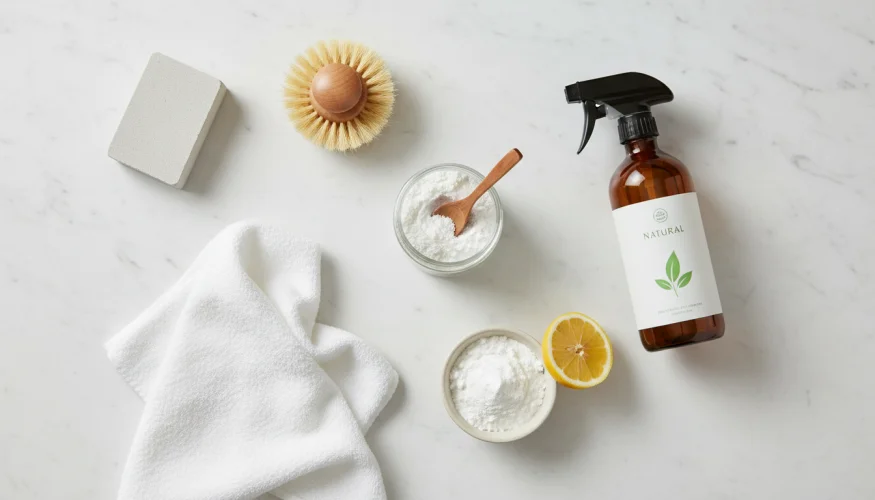
A popular household trick is also the combination of bicarbonate of soda and lemon juice or vinegar. Bicarbonate of soda acts as a mild abrasive, while the acid in lemon juice or vinegar chemically attacks the rust. This combination is more suitable for lighter stains or as a complement to other cleaning methods. A paste made from bicarbonate of soda and lemon juice is applied to the stain, left to work, and then scrubbed with a soft brush or sponge.
For those who prefer eco-friendly solutions without unnecessary chemicals, ecological cleaning products based on natural acids and enzymes are now available on the market. These are gentle on the environment yet sufficiently effective. Such products can be found, for example, in shops focused on sustainable living – they are biodegradable, do not release harmful substances into wastewater, and their packaging is often recyclable or compostable.
As British chemist and science communicator Ben Goldacre once said: "Nature is the best chemist – you just need to know how to use it properly." This thought applies equally to household cleaning: the natural acids found in citrus fruits or fermented products are powerful allies in the fight against rust, while placing no burden on the home or the planet.
Another practical helper is pumice stone or a specialist rust eraser – mildly abrasive tools that mechanically remove the surface layer of rust without the need for chemicals. They are particularly suitable for harder surfaces such as enamel or ceramic, and in combination with an acidic product can achieve very good results. On acrylic surfaces, however, their use is risky – microscopic scratches may form.
When cleaning floor tiles, it is important to pay attention to the grout lines as well, since rust settles there particularly readily. An ordinary toothbrush or a specialist grout brush used in combination with an acidic solution can work wonders even there. After cleaning, it is advisable to treat the grout with a sealant to prevent further penetration by moisture and dirt.
Also worth mentioning are commercial products containing phosphoric acid, available in DIY stores. These products are highly effective even on older, deeply embedded stains, but their use requires greater caution – the manufacturer's instructions must be followed, protective equipment must be worn, and the surface must be thoroughly rinsed after application. Phosphoric acid can damage certain surfaces and is also less environmentally friendly than natural alternatives.
How to prevent rust stains
Removing rust is one thing, but it is even better to prevent it from forming in the first place. Prevention is truly easier than cure in this case. A few simple habits can significantly reduce the risk of rust stains appearing in the bathroom.
First and foremost, it is a good idea to wipe the surface of the bathtub or shower dry after each use – a few seconds is all it takes, and any water droplets that might react with metal objects or pipe residue will disappear before they have a chance to leave a mark. Metal objects – tins, razors, metal soap dishes – should be stored on mats or hooks so that they are not in direct contact with the surface of the bathtub or floor tiles.
If the water in your area has a higher iron content, installing a filter on the tap or directly on the water supply to the apartment may help. These filters are now available in various price ranges and are generally straightforward to install. Regularly replacing old metal taps and fittings with modern chrome or stainless steel models will also significantly reduce the risk of corrosion and the resulting stains.
Regular care of bathroom surfaces is another key to prevention. Going over the bathtub or floor tiles once a week with a mildly acidic cleaning product or a citric acid solution is enough to remove any stains that are just beginning to form before they become a visible problem. This requires far less effort than removing hardened rust that has been there for months.
It is worth noting that the choice of cleaning and cosmetic products can also play a role. Some products contain compounds that, in combination with water and metals, react and accelerate the formation of stains. Natural cosmetics with a simple ingredient list and no aggressive chemicals are gentler in this respect – not only on the skin, but also on bathroom surfaces. Similarly, natural soaps leave fewer mineral deposits than synthetic products, which contributes to the overall cleanliness of the bathroom.
The bathroom is a place where we spend time every day caring for ourselves. It therefore deserves not only regular cleaning, but also thoughtful maintenance that prevents problems before they even arise. Rust stains are certainly unpleasant, but they are by no means insurmountable – with a little knowledge, the right products, and regular prevention, the bathroom can be a place that always pleases both the eye and the nose. And if a stain does appear, there is no need to panic: nature and modern ecological chemistry offer plenty of tools for dealing with it without unnecessary effort and without burdening the environment.