

Prepare quick and healthy meals effortlessly thanks to a smart stock in your fridge and pantry
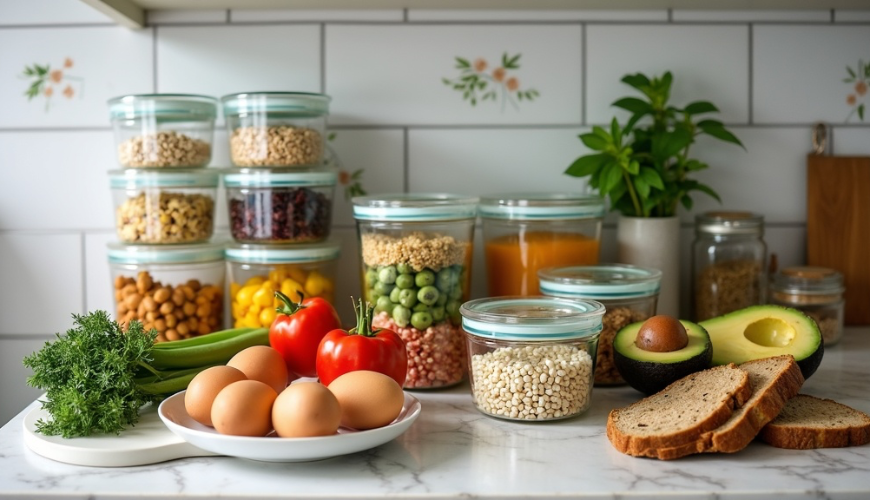
Everyone knows the feeling. You come home after a long day, open the fridge, stare into it for a while, and then close it again. Your energy for cooking is zero, your motivation even lower. In moments like these, most people reach for instant noodles, order a pizza, or simply skip dinner altogether. But none of these options is ideal – not for the body, not for the mood, and not for the wallet. Yet there is a whole range of quick and healthy meals with no effort that truly anyone can prepare, even in a state of complete exhaustion.
The question "what to eat when you have no energy to cook" is far from trivial. Exhaustion from work, caring for children, stress, or simply a bad day – the reasons why someone doesn't want to stand at the stove are countless. And that's precisely why it's worth having tried-and-tested meal ideas in reserve that require almost no preparation yet still supply the body with everything it needs. These aren't sophisticated recipes or expensive superfoods. It's a simple, smart strategy that lets you eat quickly, nutritiously, and without unnecessary stress.
Let's start with the simplest option – what you probably already have at home. Bread, quality butter, a tomato, and salt. Sounds trivial? Maybe. But the classic Czech dinner of bread with something on it has worked for generations for good reason. Just swap the white roll for whole-grain bread, add quality cream cheese or hummus, slice up a tomato or pepper, and you have a meal ready in two minutes. Add a slice of cheese or a piece of ham from the farmers' market, and you have a balanced dinner with protein, carbohydrates, and vitamins. No cooking, no dishes, no stress.
Various bowls and salads assembled using the "whatever's on hand" method work similarly. A container of pre-cooked rice or couscous from the fridge, a can of tuna or chickpeas, a handful of cherry tomatoes, and a drizzle of olive oil – and you have a filling, nutritious plate. This method even has its own name: meal assembly, meaning putting together a meal from pre-prepared components. No cooking in real time, just smart combining of what's available. American dietitian and nutrition author Ellie Krieger summed it up aptly: "Healthy food doesn't have to be complicated. The best dinners are often the ones you prepare in less time than it takes to order food online."
Try our natural products
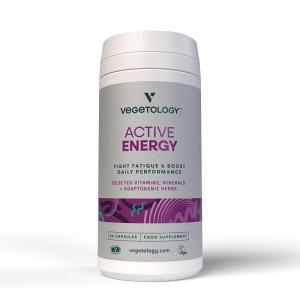

How to Build a Food Supply for Low-Energy Days
The whole magic lies in preparation. Not in the sense that you'd have to spend Sunday afternoon cooking for the entire week – although that's certainly a great strategy too. It's more about always having basic ingredients in the fridge and pantry from which you can effortlessly assemble a complete meal. Let's call it a safety net for lazy days.
Eggs should always be in the fridge, as they are perhaps the most versatile quick food in the world. Scrambled eggs in butter take three minutes, and with a piece of bread they make a complete dinner. Greek yogurt with honey and nuts is another option that works as both breakfast and a light dinner. And if you have a sweet tooth, a bowl of cottage cheese with fresh fruit and a spoonful of quality muesli will fill you up and make you happy without ever turning on the stove.
In the pantry, it's worth maintaining a supply of several key items: canned legumes (chickpeas, beans, lentils), whole-grain pasta, oats, nuts and dried fruit, quality olive oil, and various spreads like hummus or tahini. Canned chickpeas mixed with olive oil, lemon juice, garlic, and a pinch of cumin transform into homemade hummus in two minutes, which paired with bread or vegetables makes an excellent meal. And whole-grain pasta with quality pesto from the fridge – that's dinner done in ten minutes, including boiling the water.
The trend of so-called "no-cook meals," meaning meals entirely without heat preparation, is also interesting and increasingly discussed in professional nutrition publications. According to the Harvard T.H. Chan School of Public Health, the key to healthy eating is variety and balance, not complexity of preparation. In other words, a simple plate with colorful vegetables, a protein source, and whole-grain carbohydrates meets nutritional requirements just as well as an elaborate three-course lunch.
Let's take a concrete real-life example. Markéta, a thirty-year-old teacher from Brno, describes her typical workday: mornings at school, afternoons preparing lessons and grading tests, evenings still taking an online English course. When she gets home around eight, cooking is the last thing she has energy for. She used to order food through an app three to four times a week, which cost her over three thousand crowns a month. Then she started practicing a system she calls "the Sunday half-hour" – once a week she cooks a pot of rice or bulgur, chops vegetables into containers, and hard-boils eggs. During the week, she then assembles dinners from these components, adding canned legumes, cheeses, or leftovers from weekend cooking. Her average dinner preparation takes five minutes, and the monthly savings on delivery food are noticeable.
This approach is nothing new – in the English-speaking world it's called meal prep and has millions of followers. But you don't need to take it to the extreme with dozens of containers in the fridge and precise grams of macronutrients. The basic principle is enough: always have something on hand from which you can assemble a meal without thinking and without cooking.
Quick and Healthy Meals That Don't Need a Recipe
When you think about it, many of the best quick meals don't actually need a recipe. They're more like principles of combining than specific procedures. Still, it can be useful to have a list of proven options at hand for moments when the brain refuses to cooperate and creativity is at rock bottom.
Among the most popular are overnight oats, or oat porridge prepared the night before – oats soaked in milk or yogurt before bed, topped with fruit and nuts in the morning. Zero effort, maximum nutrition. Or wraps made from whole-grain tortillas filled with whatever you find in the fridge – from leftover roast chicken to hummus and vegetables to a combination of avocado and egg. Avocado toast became a symbol of quick healthy food for good reason: ripe avocado mashed on quality toast with a bit of salt, pepper, and lemon juice is ready in a minute and provides healthy fats, fiber, and a range of vitamins.
Another great helper is ready-made soups and broths, which you can prepare in larger quantities and freeze. They take up minimal space in the freezer and just need to be reheated. Homemade chicken broth or lentil soup is the ideal meal for days when you need something warm and nutritious but don't want to spend more than a few minutes in the kitchen. If you don't even have time to make soup, today there are also quality ready-made broths in organic quality that just need to be heated up.
Smoothies, or blended drinks made from fruit, vegetables, and other ingredients, are also worth mentioning. A banana, a handful of spinach, a spoonful of peanut butter, and a splash of milk – all blended in thirty seconds makes a surprisingly filling and nutritious meal. For those who prefer something to chew on, energy balls made from dates, nuts, and cocoa work wonderfully – they can be prepared in advance and keep in the fridge for up to a week.
It's also important to mention that quick food doesn't automatically mean unhealthy food. This myth is deeply rooted, but reality is different. A can of quality sardines on whole-grain bread with a slice of tomato is nutritionally more valuable than most fast-food restaurant meals – and you prepare it in a fraction of the time and cost. Canned fish in general is among the most underrated sources of omega-3 fatty acids and quality protein, as confirmed by the World Health Organization in its recommendations for a healthy diet.
Of course, not every day has to be nutritionally perfect. Sometimes it's perfectly fine to have just a bowl of cereal with milk or a slice of bread with cheese for dinner. More important than the perfection of individual meals is the overall eating pattern over weeks and months. If you eat sensibly and diversely most of the time, an occasional "lazy" dinner won't hurt anything.
What really helps, though, is having a system. Not a rigid meal plan, but rather a set of proven combinations you can automatically fall back on when energy drops to a minimum. It might look something like this: Monday scrambled eggs with bread, Tuesday yogurt with muesli and fruit, Wednesday tortilla with hummus and vegetables, Thursday pasta with pesto, Friday bread with a quality canned product and salad. None of this requires more than ten minutes of preparation, and altogether it covers a broad spectrum of nutrients.
Finally, one more practical tip that may seem obvious but is often forgotten: drink enough water. The fatigue and feeling of exhaustion that makes us not want to cook is surprisingly often caused or worsened by dehydration. A glass of water before a meal not only aids digestion but can also slightly boost energy and improve mood. And with a little extra energy, you might find that the simple dinner made from a few ingredients isn't really a sacrifice at all, but rather a pleasant ritual you can enjoy even after the hardest day.
Eating without stress and without hours spent in the kitchen is neither a luxury nor an unattainable ideal. It's a skill that anyone can learn – and one that pays off not only on exhausting days, but really all the time. Because food should be a source of energy and joy, not another task on an endless to-do list.